How does a Chinese dao broadsword differ from a Japanese katana?
Updated Feb 2026
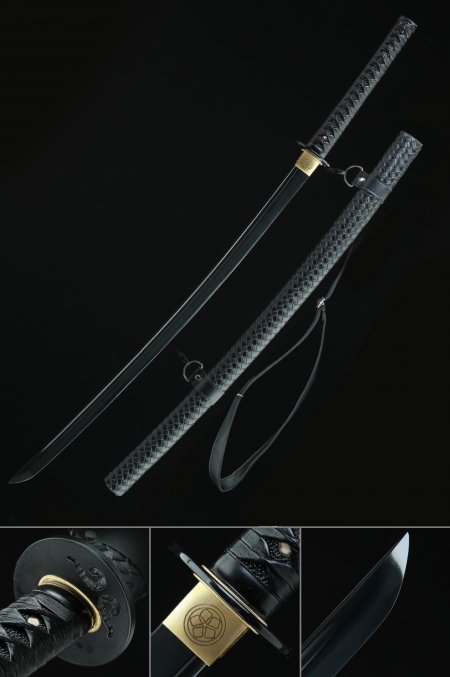
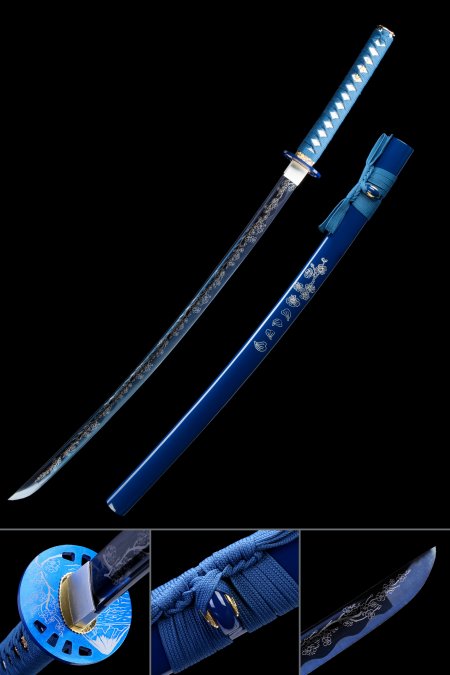
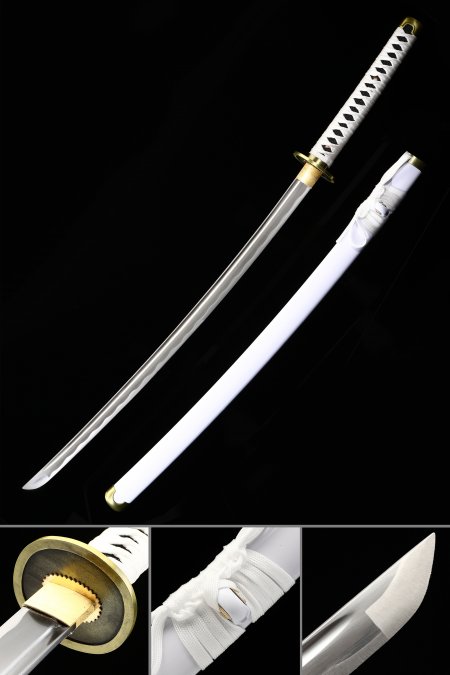
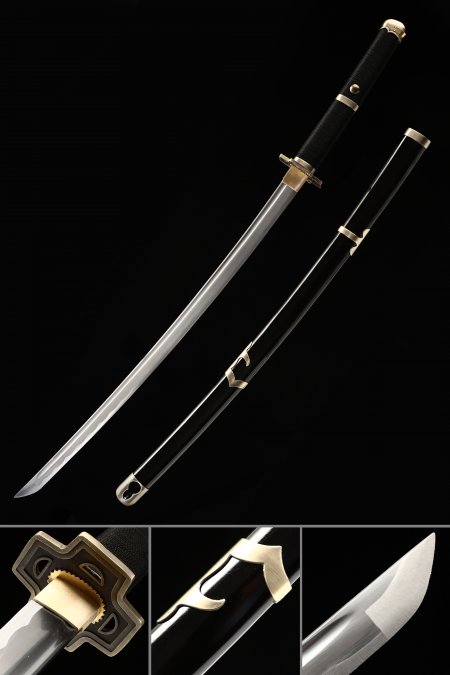
A Chinese dao broadsword and a Japanese katana share the single-edged curved blade format but differ significantly in their specific geometry, cultural origin, and visual character. The dao's blade is typically broader and heavier than the katana's, with a more pronounced width at the mid-section that narrows toward the tip - this gives the dao a different visual weight distribution from the katana's more tapered profile. The dao's curve tends to be concentrated toward the blade tip rather than distributed along the full blade length as in the katana, creating a different cutting geometry. The dao handle and fitting system is distinctly Chinese rather than Japanese: Chinese sword handles often feature disc or oval guards, single-piece or wrapped handles without the katana's ito wrapping system, and scabbard construction that reflects Chinese rather than Japanese fitting traditions. The dao's scabbard hanging and carrying orientation also differs from the katana's. Both are outstanding examples of their respective sword-making traditions, and collecting both gives a display that represents the range of Asia's great blade-making cultures.