How does the Chinese tang dao differ from a Japanese katana in construction and aesthetics?
Updated Feb 2026
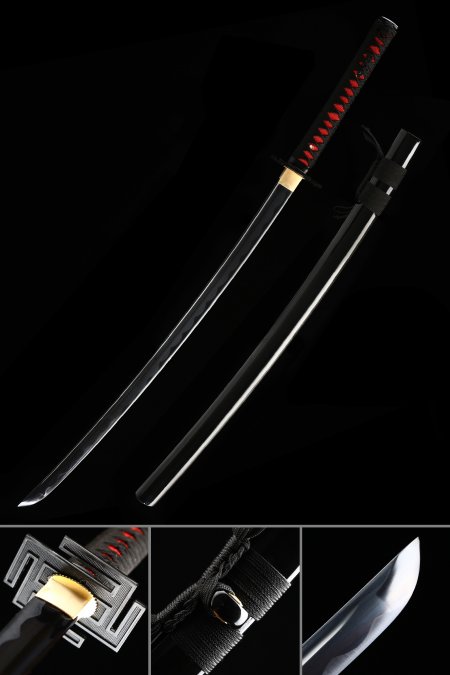
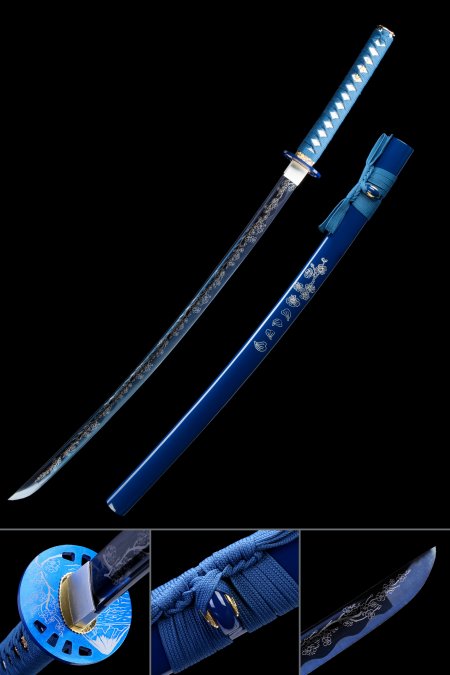
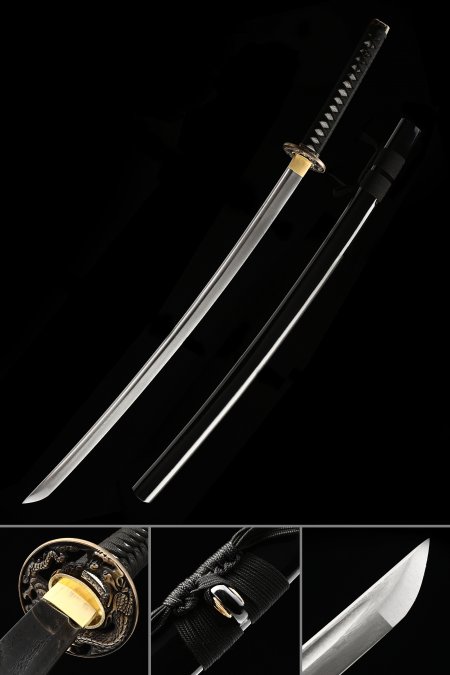
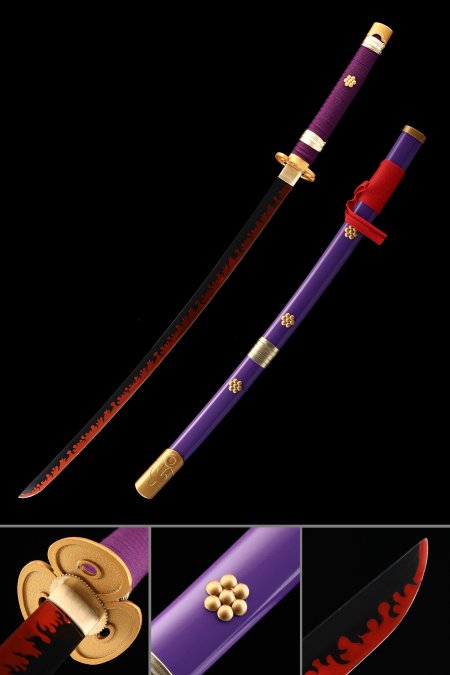
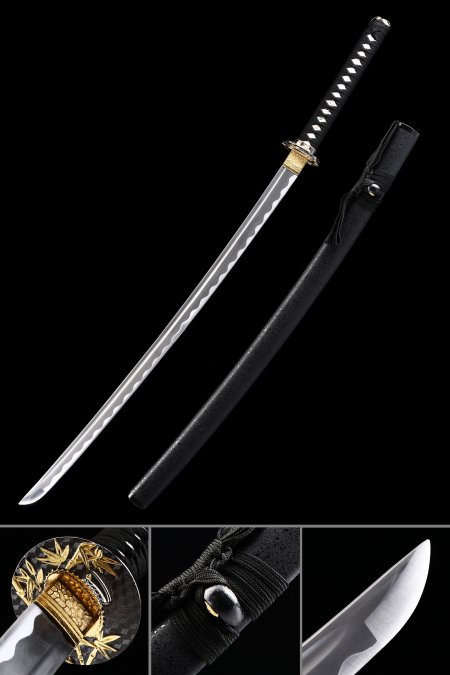
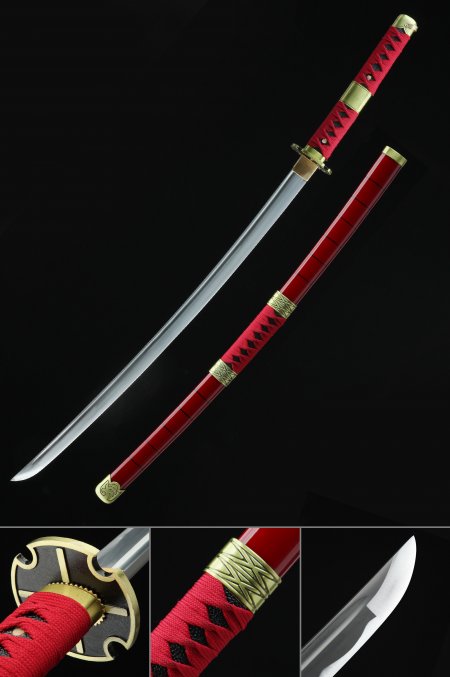
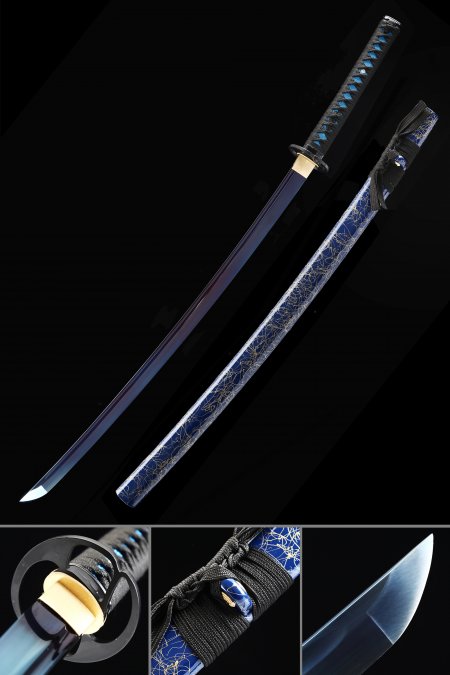
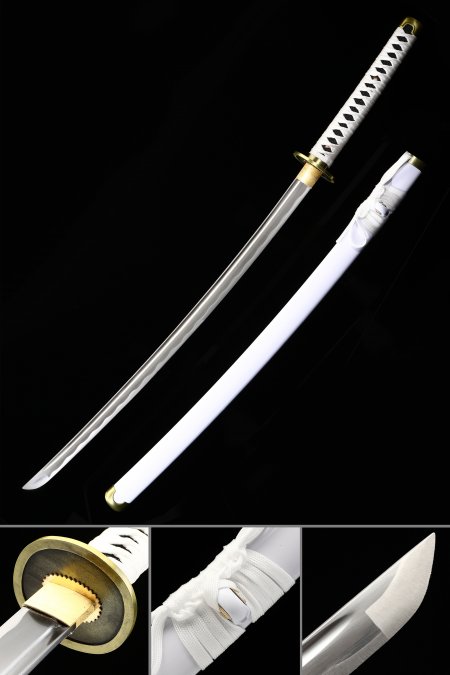
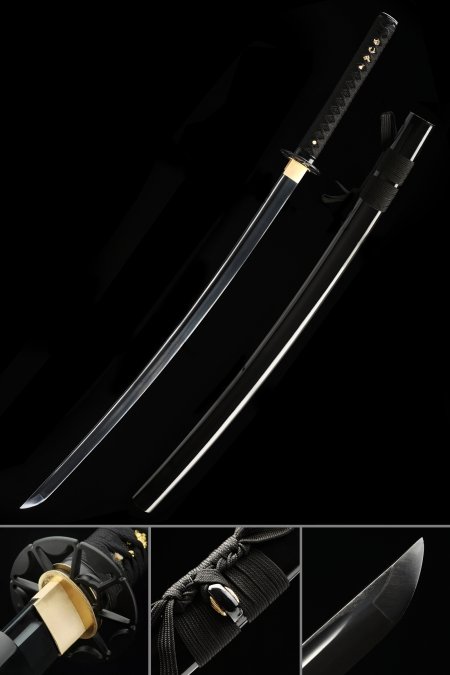
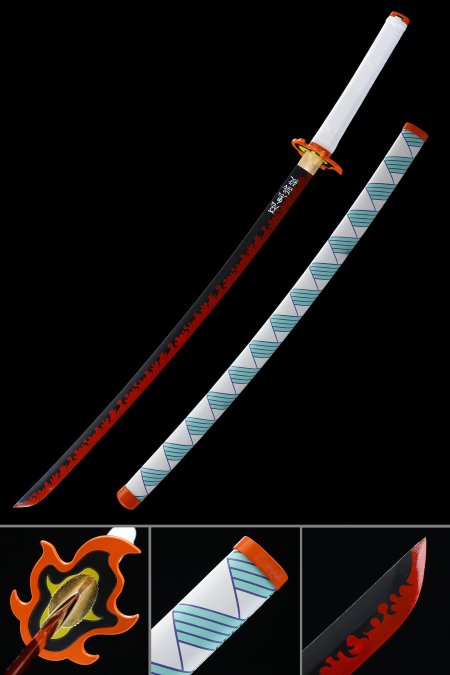
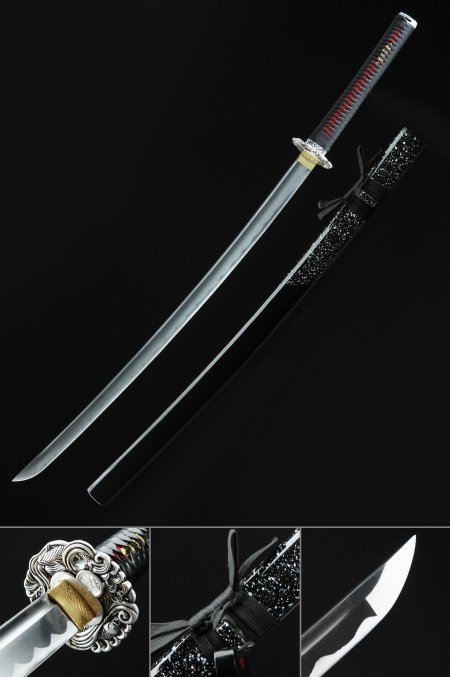
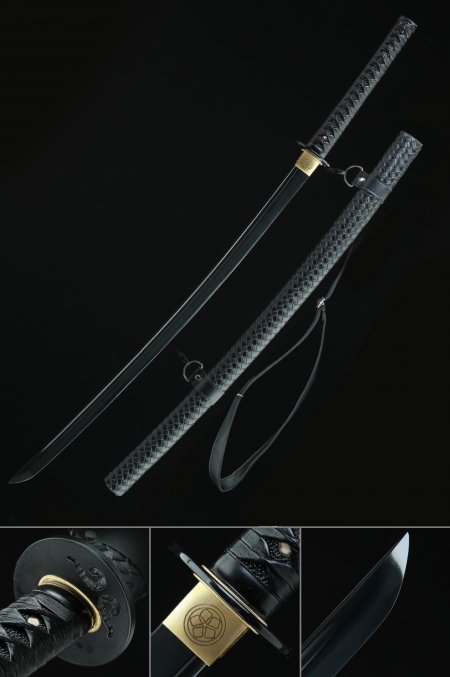
The Chinese tang dao and Japanese katana share the fundamental format of a single-edged curved blade, but differ significantly in construction specifics, aesthetic character, and martial tradition. The dao's blade geometry tends to be broader and heavier toward the point than the katana, particularly in the oxtail dao format where the blade flares and widens at the tip - this is the opposite of the katana's gradual taper to a fine point. The dao's curve is typically more abrupt and pronounced in certain formats, while the katana's curve is a more consistent and elegant arc along the full blade length. In handle construction, most dao use a straight handle without the pronounced curvature of the katana's handle, and the guard - hudiegou or hilt plate - has a different geometry from the katana's tsuba. The scabbard of a dao is typically a wooden core with fabric, leather, or lacquer covering, which differs in construction approach from the lacquered wooden saya of the katana. In display, the dao creates an immediately different silhouette from the katana, communicating the Chinese martial tradition in contrast to the Japanese blade forms.