How does a ninjato differ from a katana in collector terms?
Updated Mar 2026
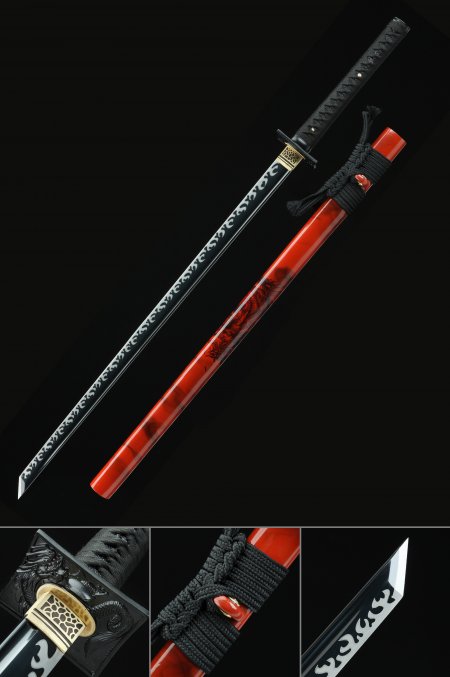
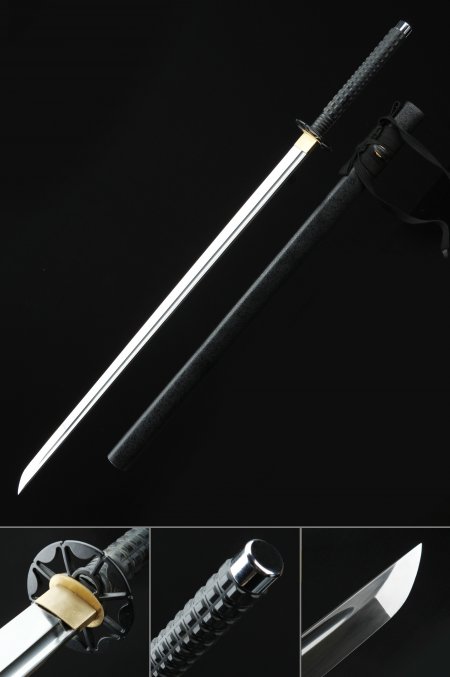
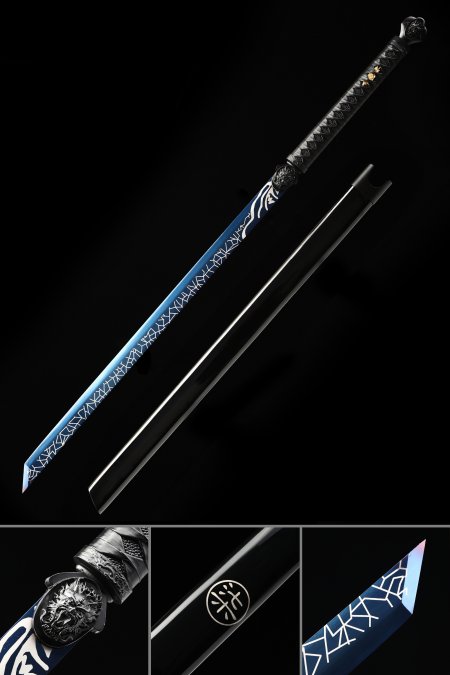
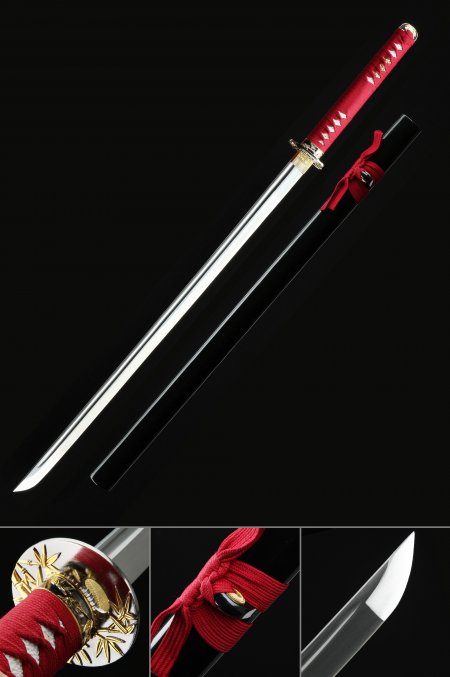
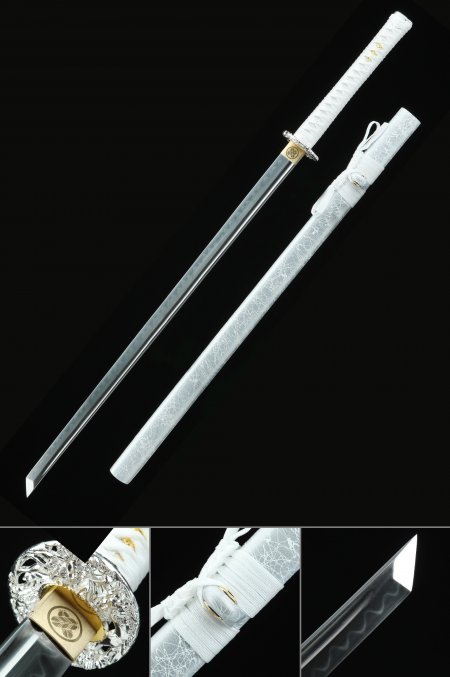
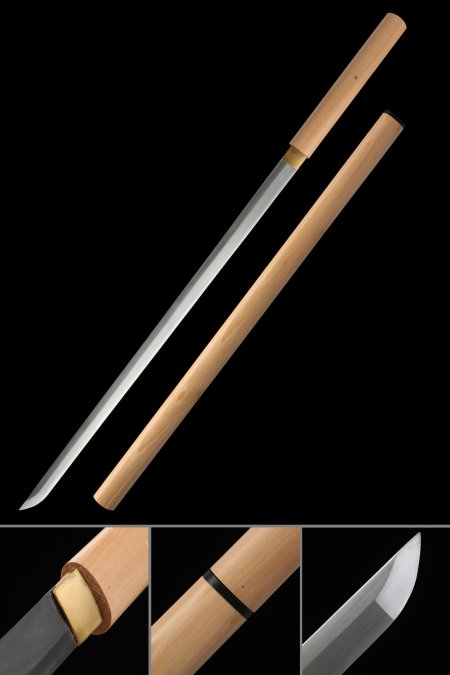
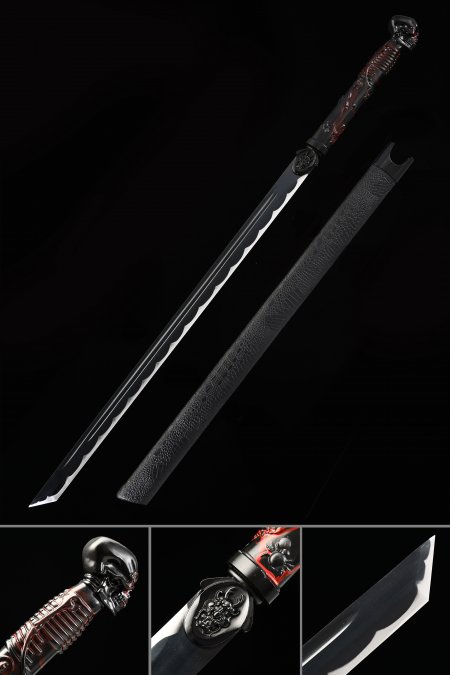
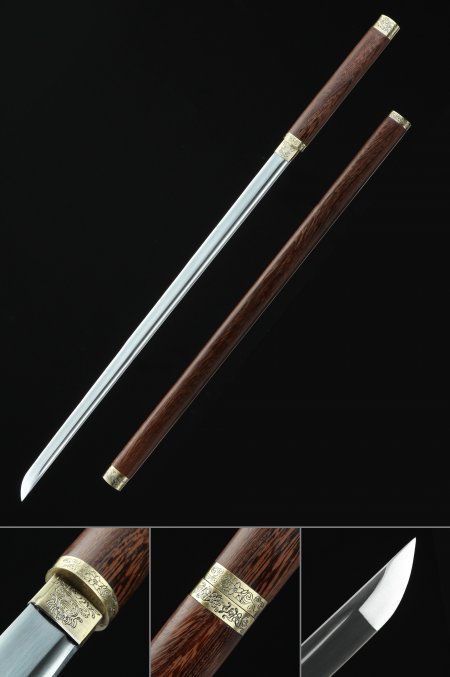
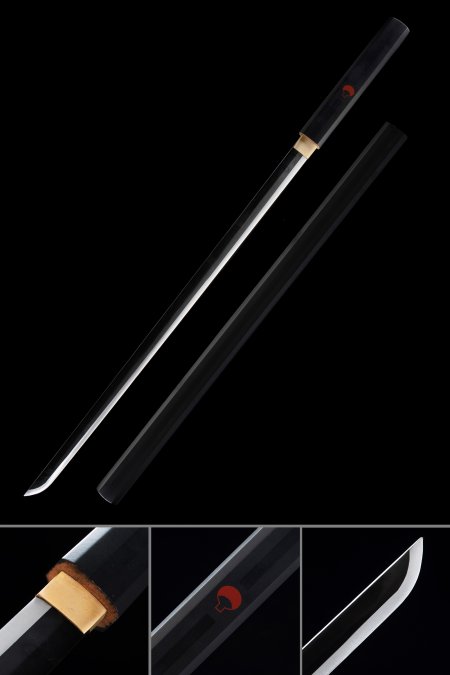
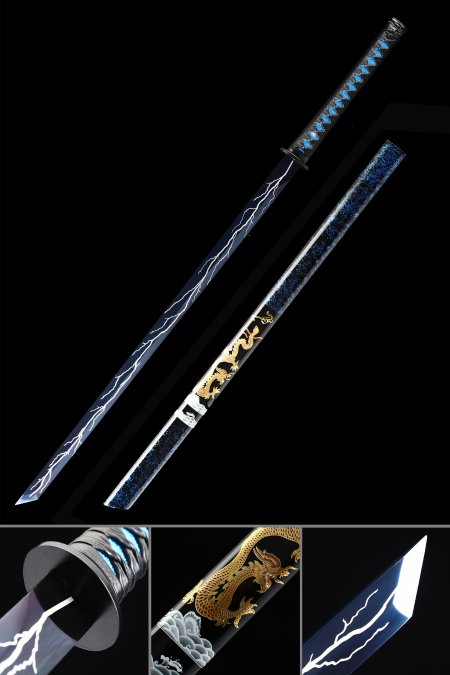
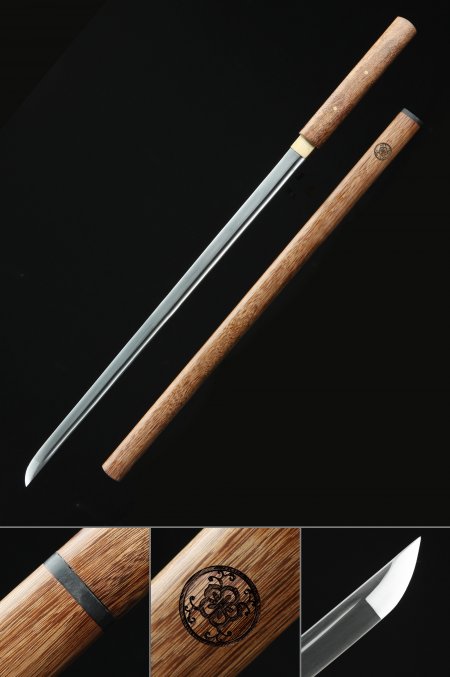
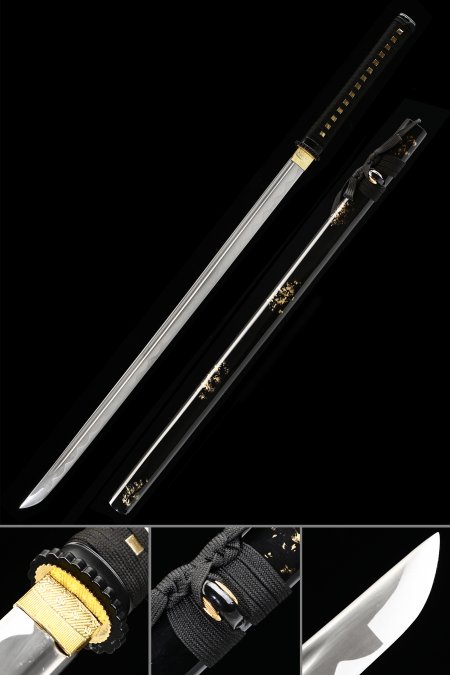
The most immediate distinction is blade geometry. A katana features a curved blade optimized through centuries of Japanese smithing tradition, while a ninjato has a straight or minimally curved blade reminiscent of earlier Chinese jian-influenced designs. In collecting terms, this straight profile means a ninjato displays differently on a stand — the blade line reads as architectural and angular rather than flowing. Ninjato also typically feature a square tsuba and shorter overall length, making them more compact display pieces. For collectors interested in the shadow of ninja mythology in Japanese cultural history, a ninjato represents a distinct aesthetic category from mainstream samurai sword collecting, with its own koshirae conventions including square scabbard tips and utilitarian wrap styles.