How should I evaluate a short Japanese katana before purchasing?
Updated Feb 2026
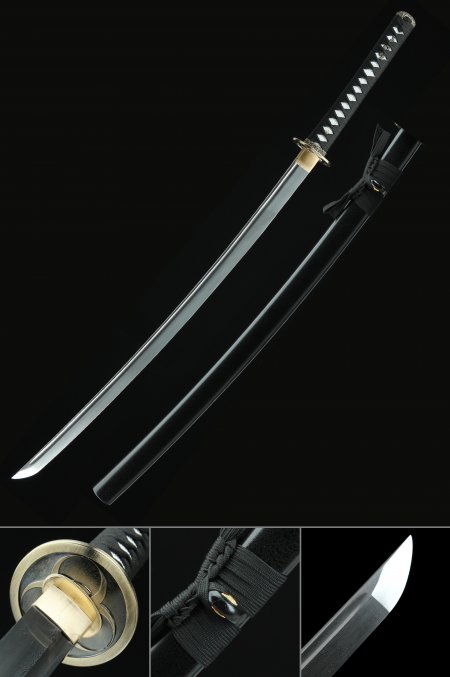
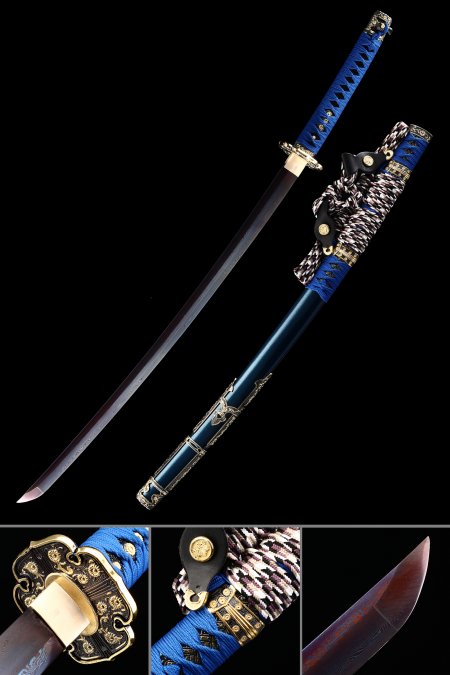
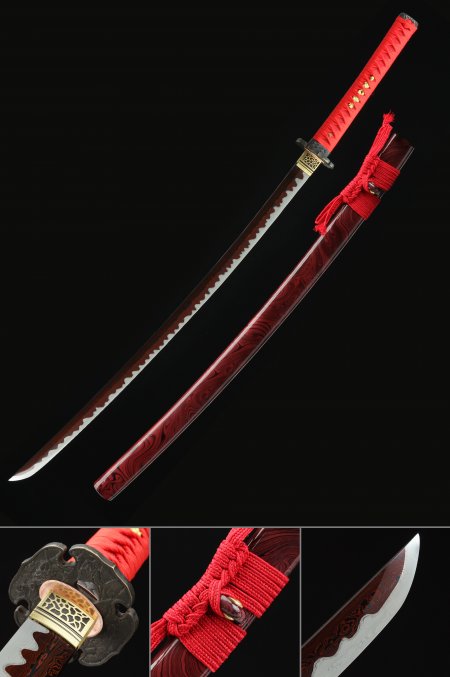
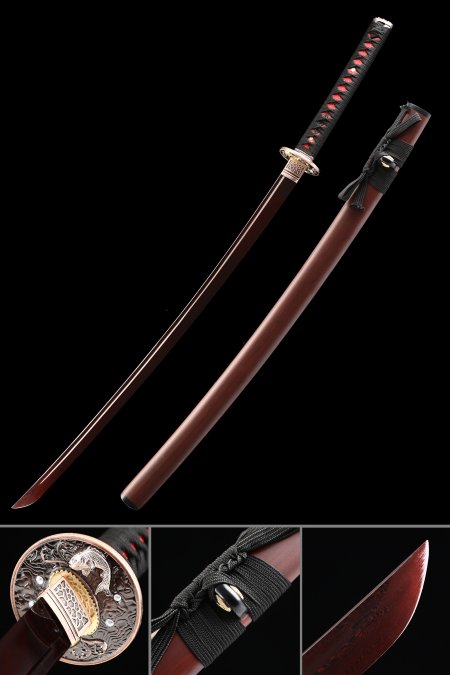
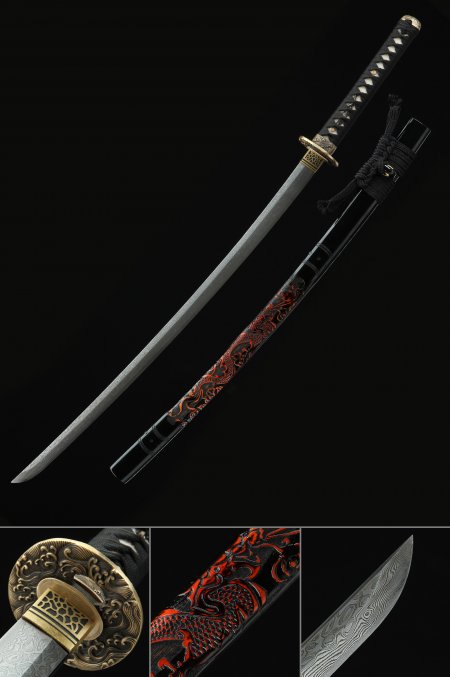
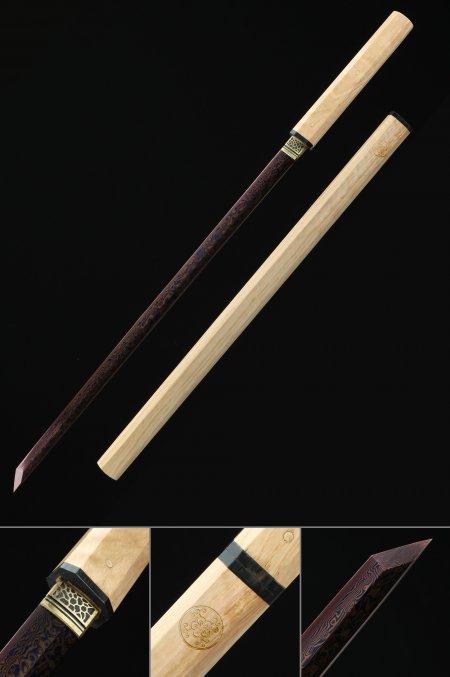
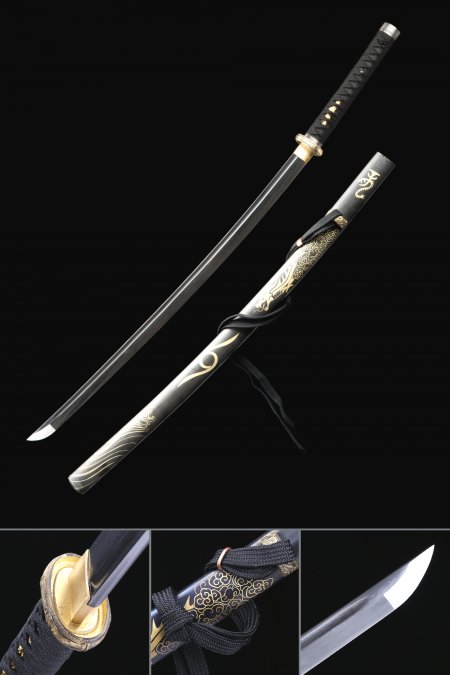
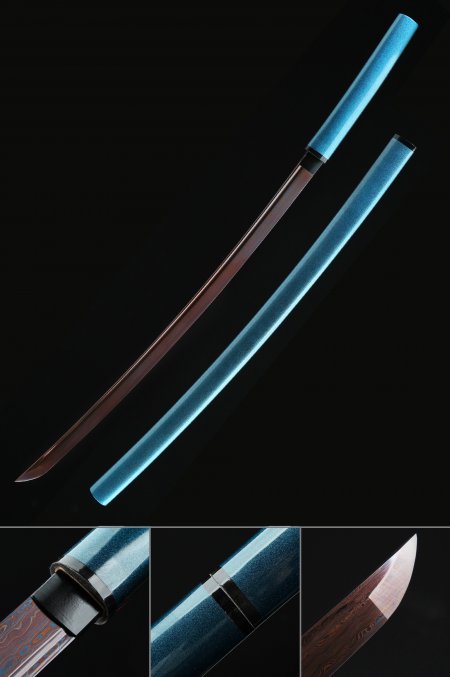
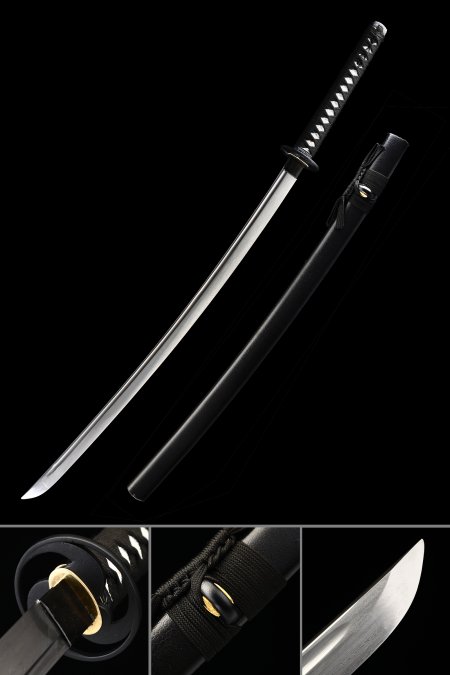
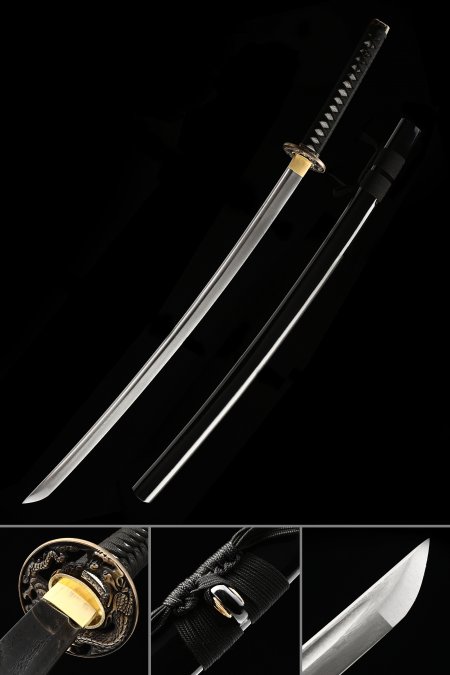
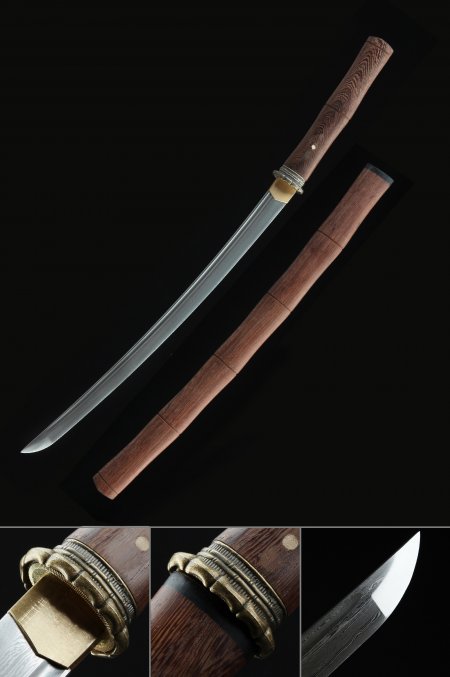
Evaluating a short Japanese katana involves examining several key construction and material indicators that distinguish a genuinely high-quality piece from a lower-grade alternative. Full-tang construction is the non-negotiable baseline: look for a mekugi retention pin visible through the handle, confirming the blade steel runs through the complete handle rather than tapering to a stub. Blade steel grade is the second critical factor: high-carbon steel grades like T10, Manganese Steel, 1045, or Damascus steel are appropriate for a quality collectible, while stainless steel indicates a decorative rather than craft-quality piece. For T10 pieces, a visible hamon under lighting confirms proper differential heat treatment. Handle wrapping quality is the third area: tight, consistent ito wrapping with no gaps or loose sections indicates careful construction throughout. Tsuba guard fit should be flush without wobbling or play. The scabbard should seat the blade securely without rattling, which confirms the habaki collar is properly fitted. Pieces that meet all these criteria are built to the construction standards appropriate to serious Japanese sword collecting.