What steel grades are used in sunflower tsuba katana?
Updated Mar 2026
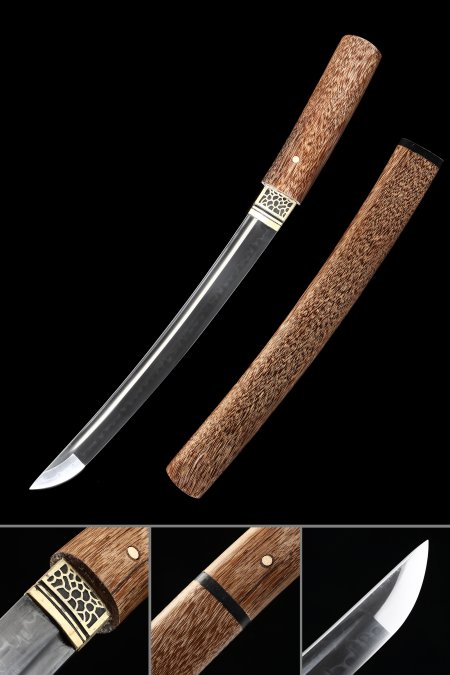
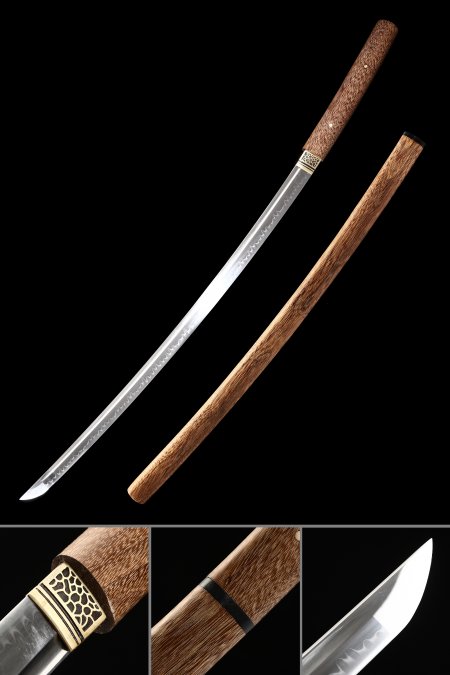
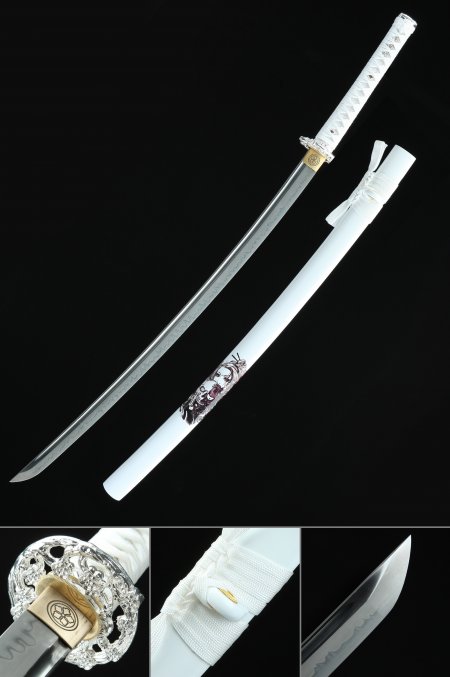
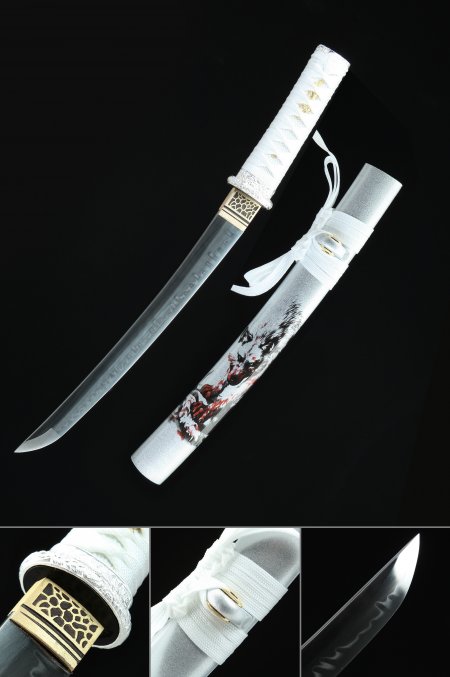
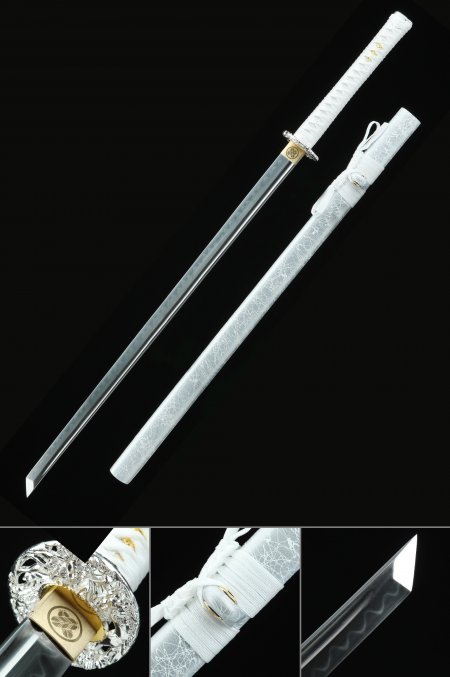
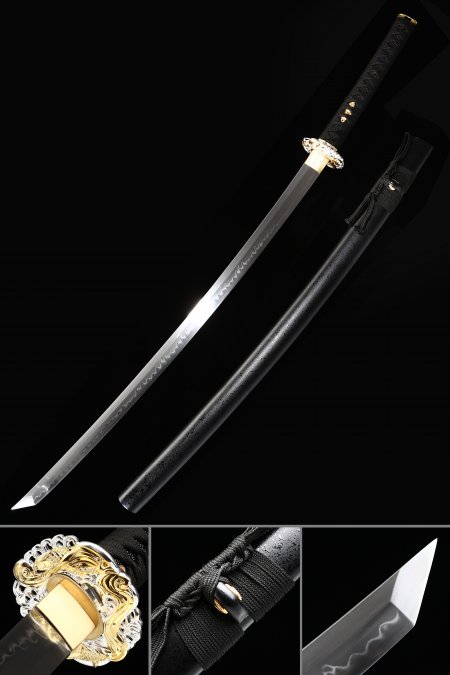
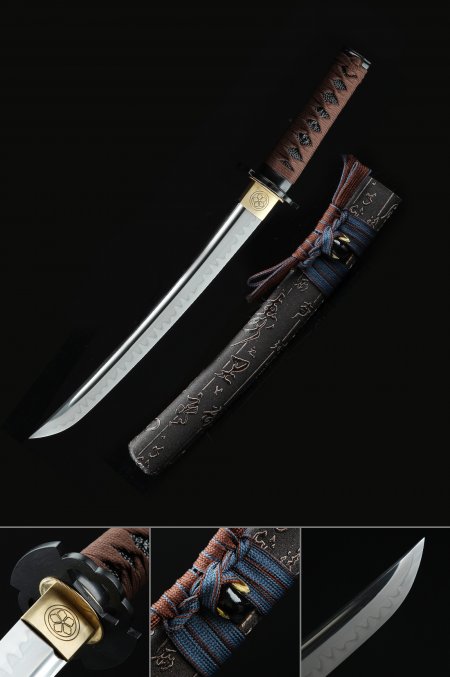
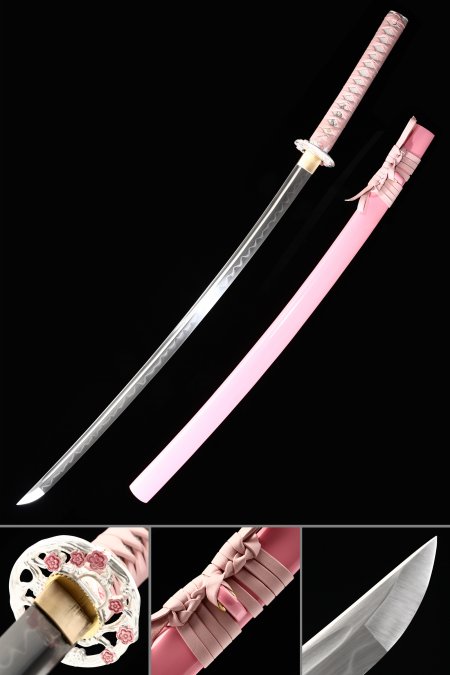
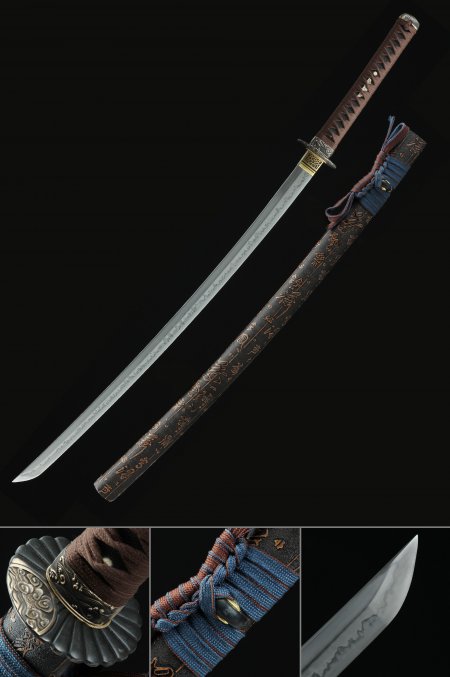
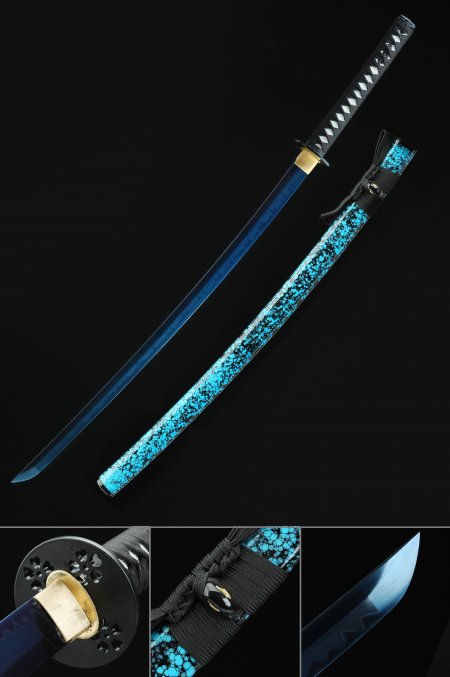
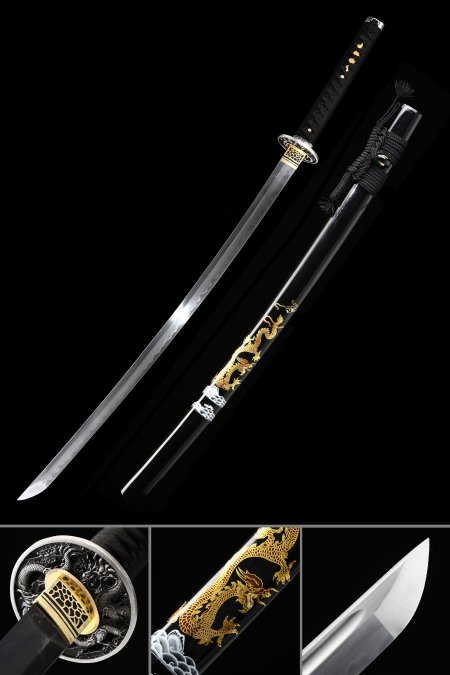
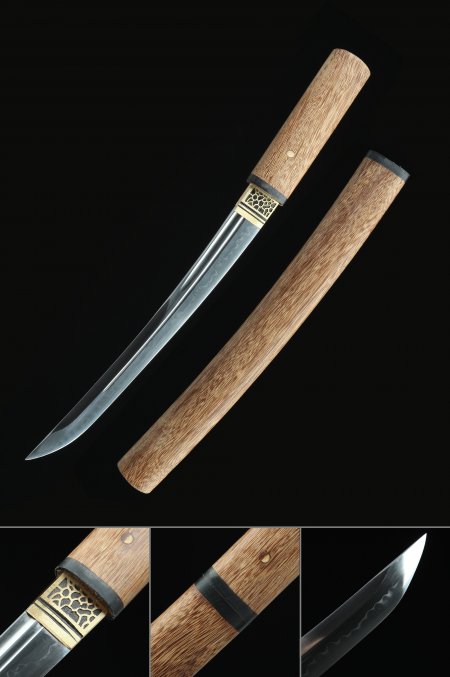
This collection spans three main steel types, each suited to a different collector priority. 1045 high-carbon steel is the most accessible tier - it's a medium-carbon alloy that takes a clean polish and holds its geometry well under display conditions. T10 tool steel sits a step above, containing a small percentage of tungsten that refines the grain structure and allows the clay-tempering process to produce a visible hamon along the edge. That hamon - the misty temper line between hard edge and soft spine - is the defining visual characteristic of traditionally inspired Japanese swords and cannot be replicated by simple heat treatment alone. Manganese steel, used in select pieces, offers excellent toughness and is the base for surface treatments like the black spider-web finish seen on some blades in this collection. For pure display value, T10 clay-tempered pieces generally rank highest because of the natural hamon variation - no two look identical.