How does Japanese forging technique differ from other blade-making traditions?

 Updated Feb 2026

Japanese forging tradition emphasizes differential treatment of the blade’s zones — creating distinct hardness characteristics in the edge, spine, and transition areas through techniques like clay tempering and selective quenching. Many Western forging traditions treat the blade more uniformly. Japanese smiths also traditionally work with relatively small billets that they fold and weld to refine the steel, while other traditions may start with larger stock. The heat treatment process in Japanese tradition is particularly distinctive: the application of clay in varying thicknesses before quenching creates the differential hardness that defines Japanese blade character and, on curved swords, produces the blade’s curvature itself.
Popular Products

15% OFFghost of tsushima sword
169.00 USD
199.00 USD
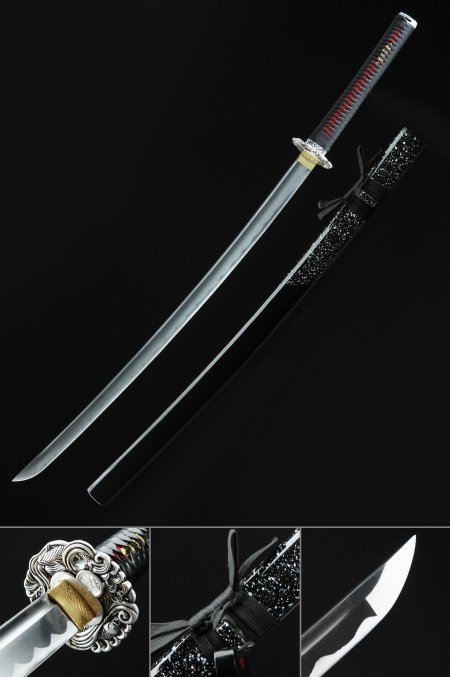
15% OFFkatana sword
179.00 USD
209.00 USD
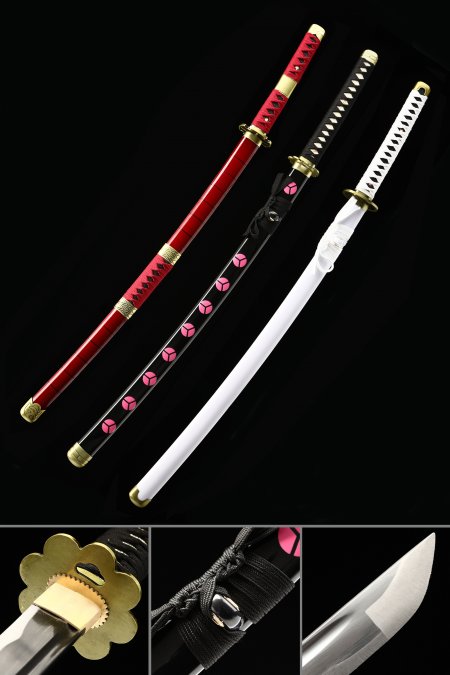
20% OFFzoro swords
349.00 USD
439.00 USD
15% OFFzoro katana
139.00 USD
169.00 USD
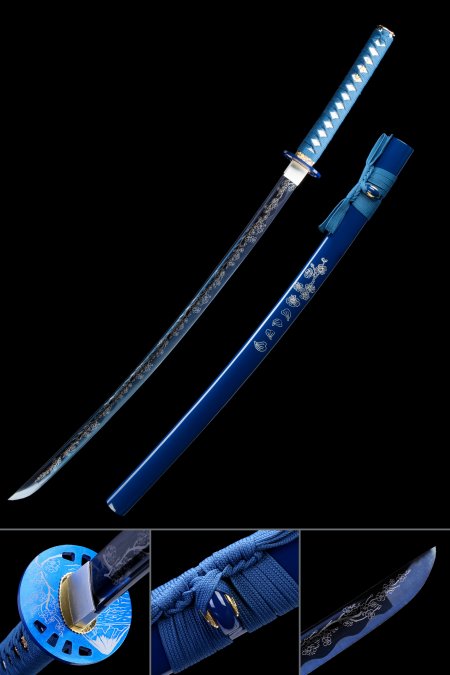
20% OFFblue katana
149.00 USD
189.00 USD
20% OFFkatana sword
139.00 USD
179.00 USD
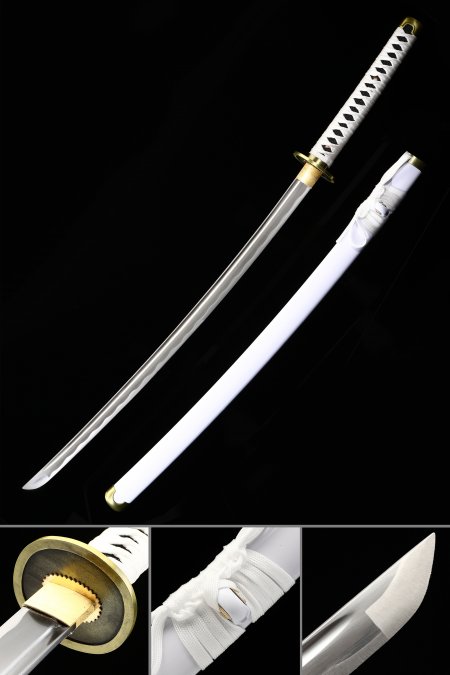
15% OFFshusui sword
139.00 USD
169.00 USD
15% OFFkatana sword
129.00 USD
149.00 USD
20% OFFghost of tsushima sword
299.00 USD
369.00 USD
15% OFFichigo bankai sword
139.00 USD
159.00 USD
20% OFFkatana sword
159.00 USD
199.00 USD
15% OFFobsidian katana
169.00 USD
199.00 USD
15% OFFghost of tsushima sword
169.00 USD
199.00 USD
15% OFFkatana sword
179.00 USD
209.00 USD
20% OFFzoro swords
349.00 USD
439.00 USD
15% OFFzoro katana
139.00 USD
169.00 USD
20% OFFblue katana
149.00 USD
189.00 USD
20% OFFkatana sword
139.00 USD
179.00 USD
15% OFFshusui sword
139.00 USD
169.00 USD
15% OFFkatana sword
129.00 USD
149.00 USD
20% OFFghost of tsushima sword
299.00 USD
369.00 USD
15% OFFichigo bankai sword
139.00 USD
159.00 USD
20% OFFkatana sword
159.00 USD
199.00 USD
15% OFFobsidian katana
169.00 USD
199.00 USD