What is a hamon, and how do I identify it on a clay-tempered blade?
Updated Mar 2026
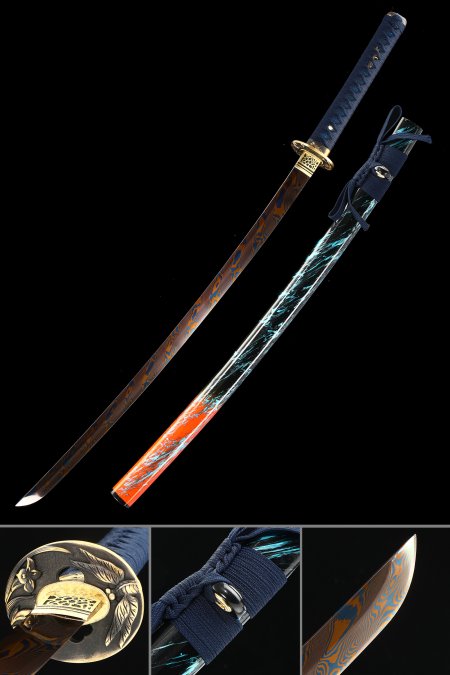
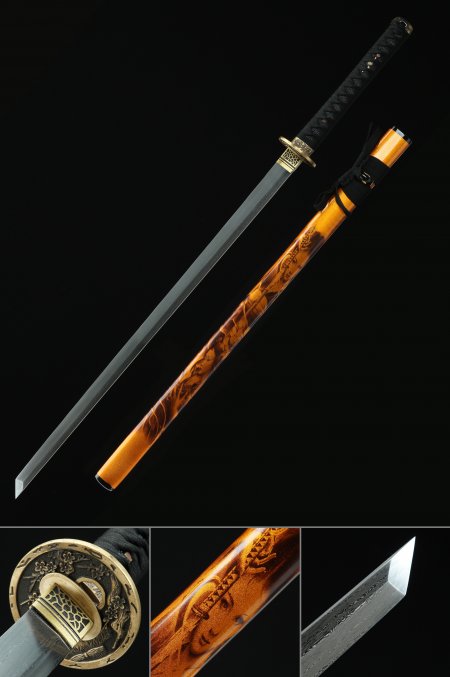
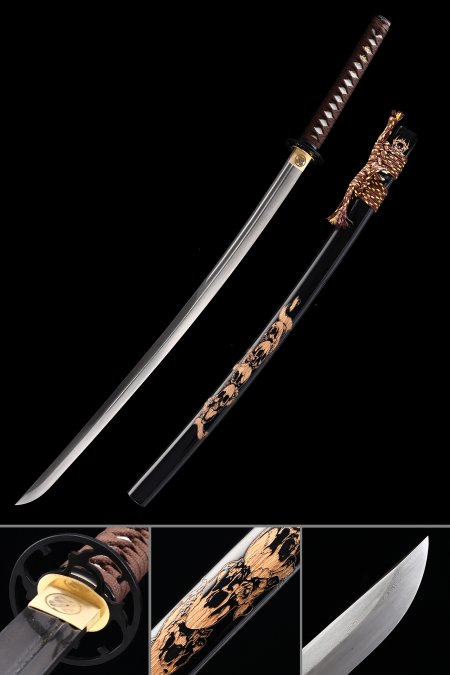
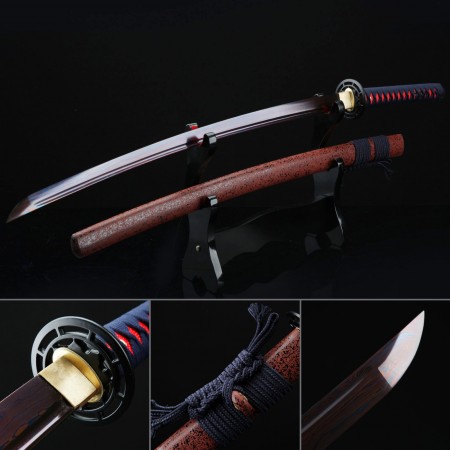
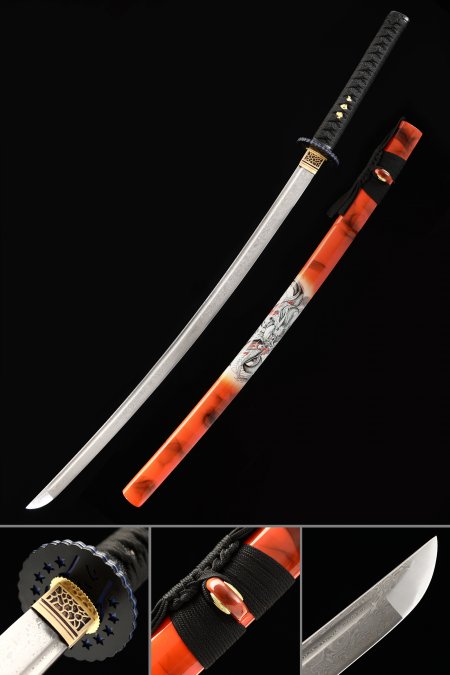
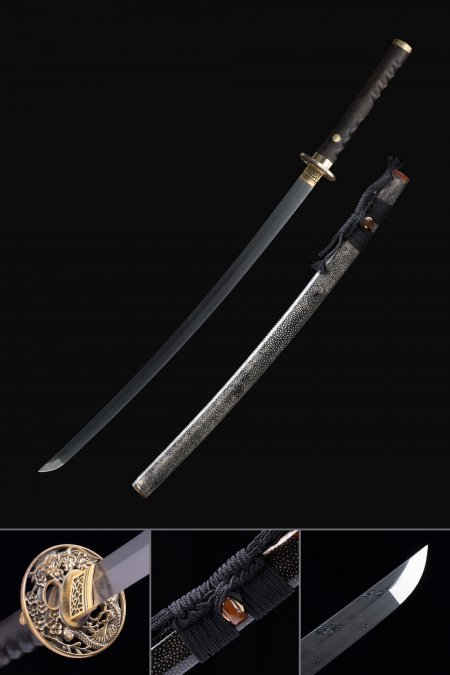
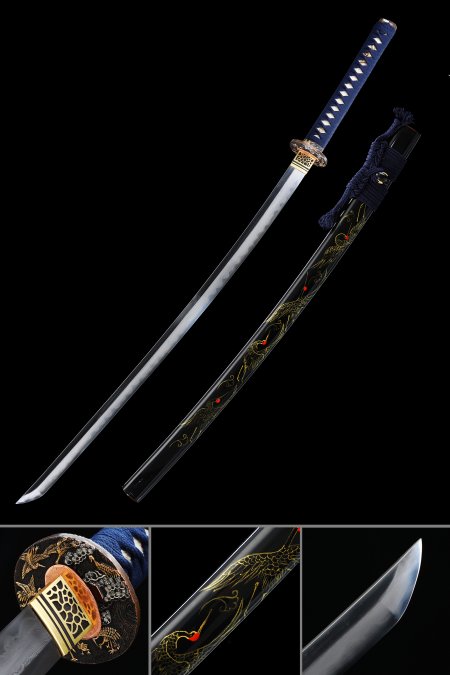
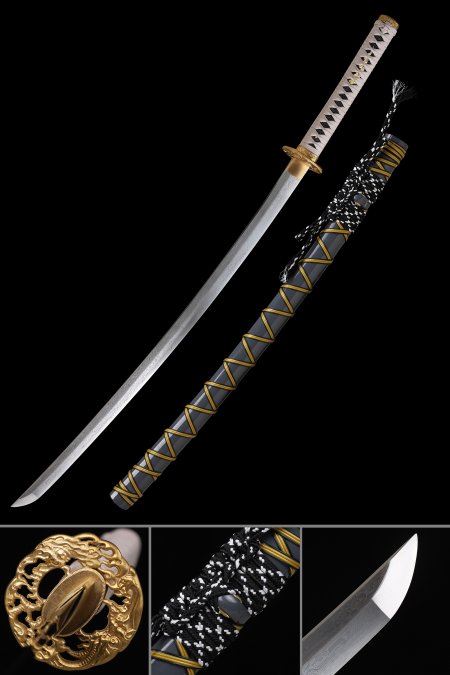
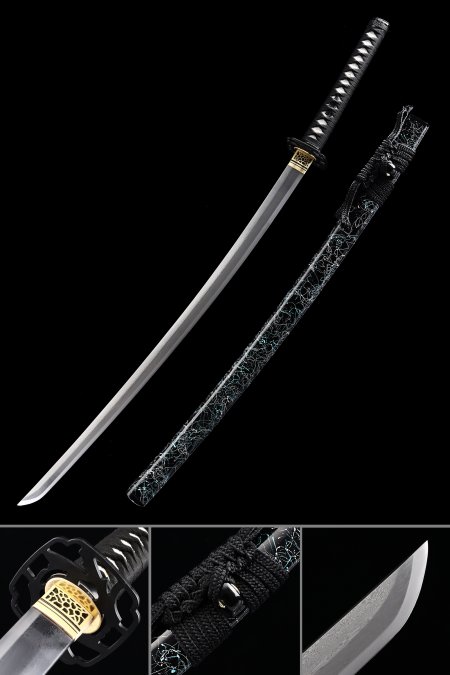
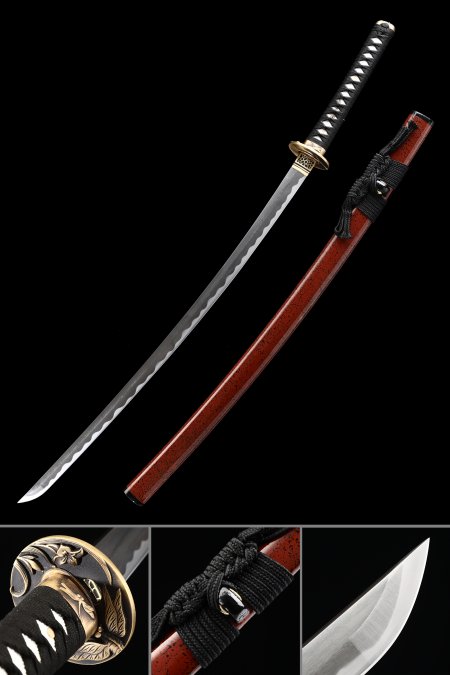
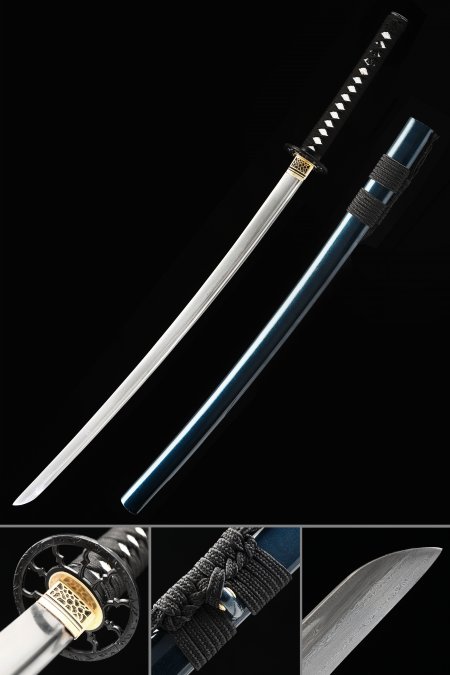
A hamon is the visible temper line that appears along the edge of a clay-tempered blade, marking the boundary between the hardened edge steel and the softer spine. To see it clearly, hold the blade under a single focused light source - a desk lamp or natural window light works well - and angle the blade slowly. The hamon appears as a misty, undulating line running parallel to the edge, often with small crystalline activity (called "nie" or "nioi") visible within and just above it. On melaleuca steel blades, the interaction between the layered steel structure and the clay tempering process can produce a particularly active hamon with complex internal textures. The shape of the hamon - whether it is straight (suguha), wavy (notare), or clove-pattern (choji) - varies by the smith's clay application technique and is one of the individual characteristics collectors document when cataloguing a piece. A genuine clay-tempered hamon cannot be replicated by acid etching or grinding.