How does clay tempering affect the blade's appearance?
Updated Feb 2026
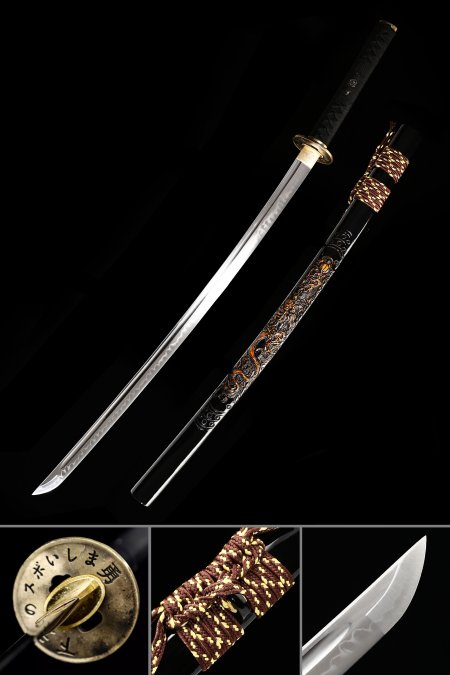
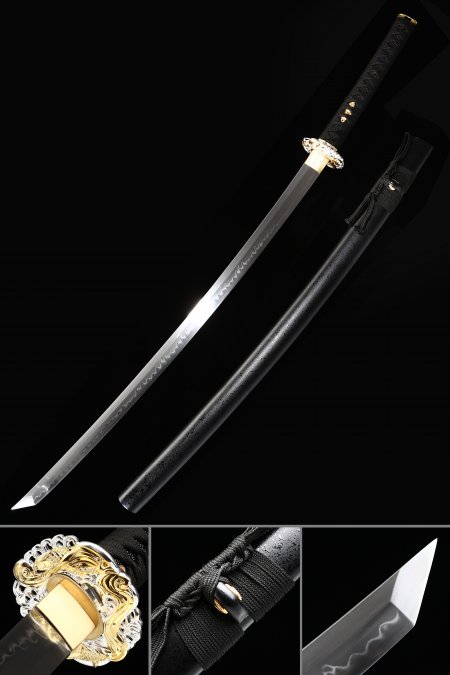
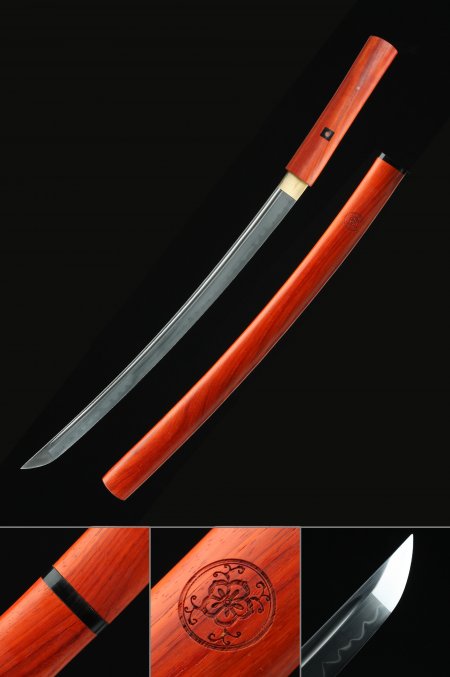
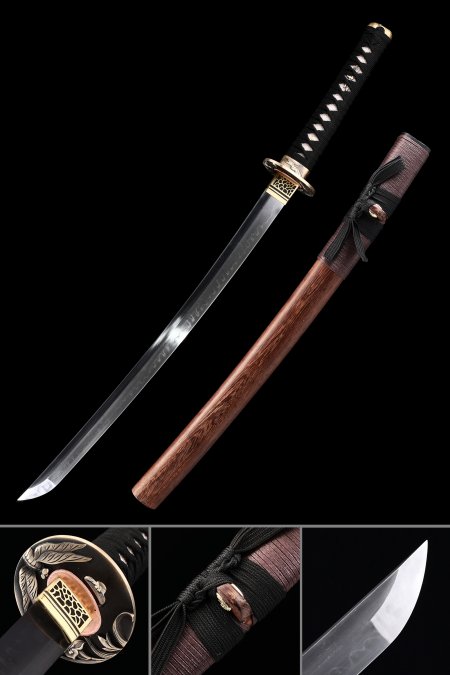
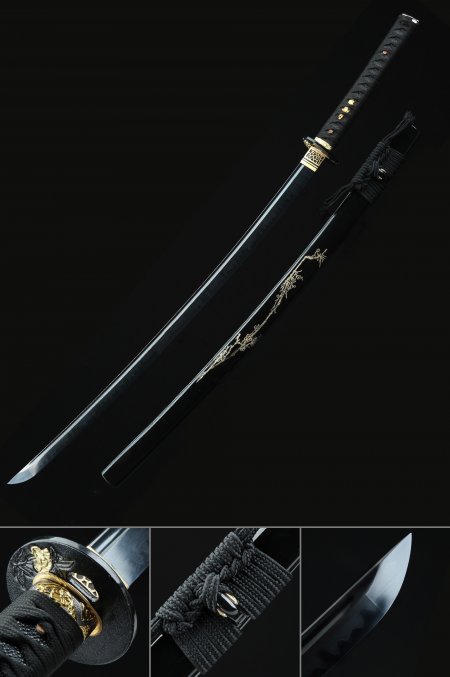
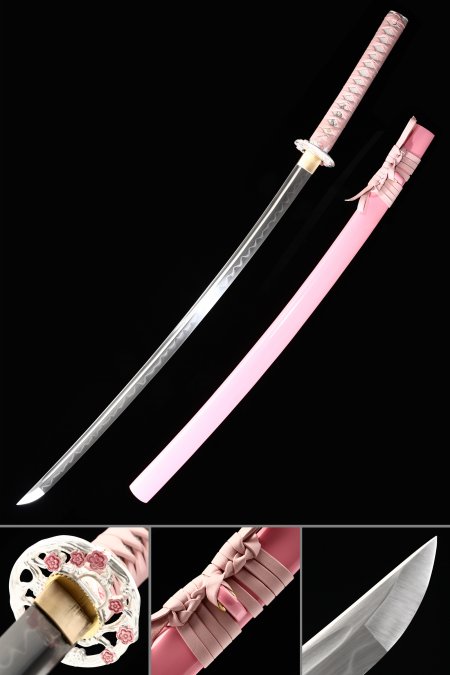
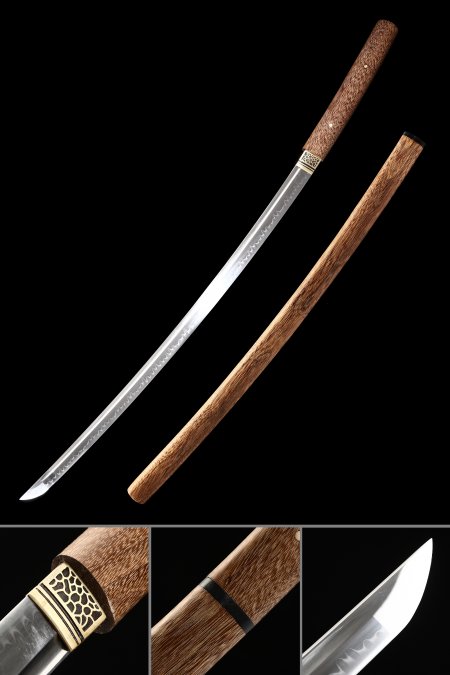
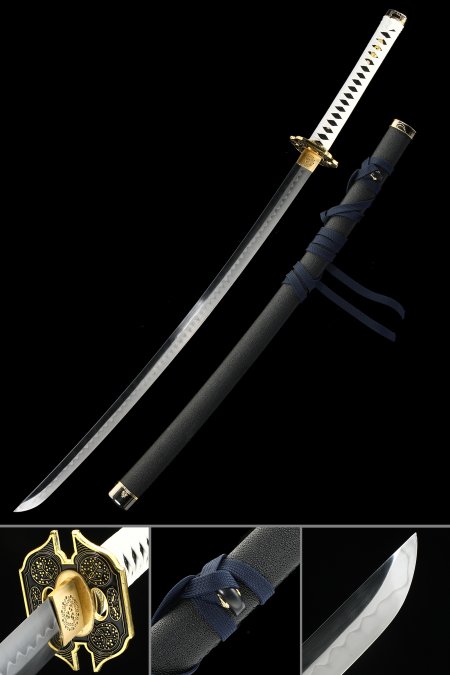
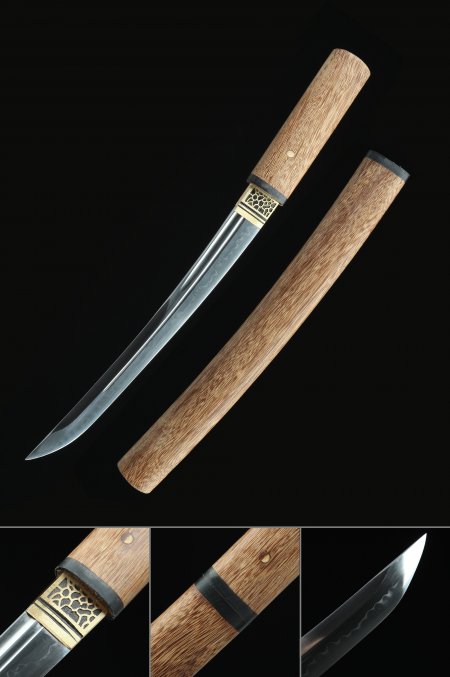
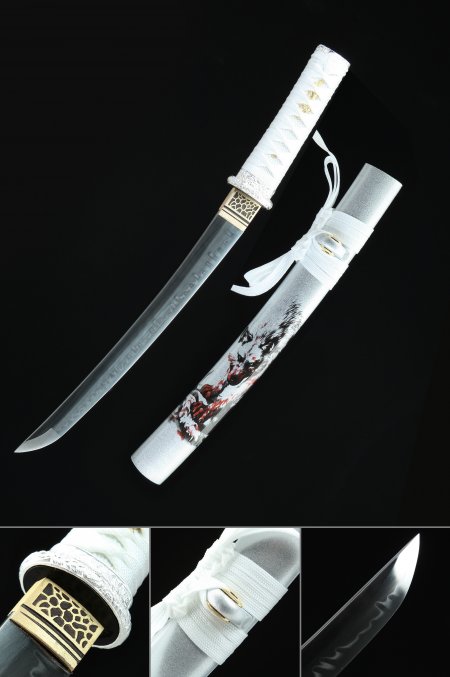
Clay tempering, known in Japanese as tsuchioki or the broader process called tama-hagane differential hardening, involves coating the spine of the blade with an insulating clay mixture before the heated blade is quenched in water or oil. The exposed edge cools rapidly, forming martensite — an extremely hard crystalline structure — while the clay-covered spine cools slowly and remains comparatively tough and flexible. The boundary between these two zones solidifies into the hamon, the wavy or straight temper line visible on a polished blade. Because the activity within a hamon (small misty formations called nie and nioi) is determined by the specific clay formula, quench temperature, and steel chemistry, no two hamon are identical. On T10 and higher-carbon steels, the nie activity tends to be particularly bright and granular, which is why collectors specifically seek out T10 clay-tempered pieces when visual complexity in the hamon is a priority.