How does a tachi differ from a katana in terms of design and display?
Updated Mar 2026
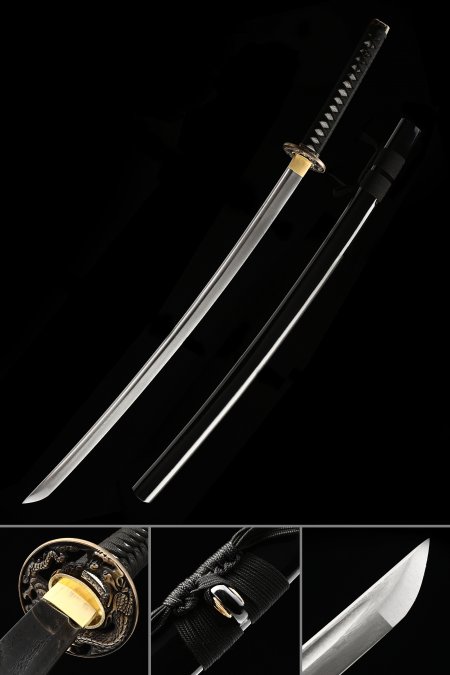
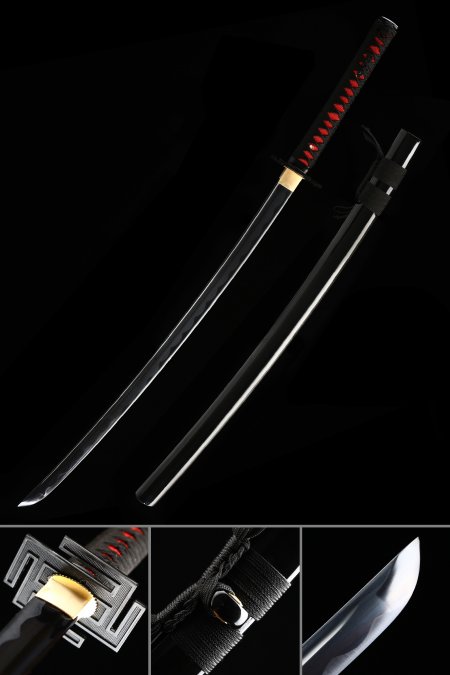
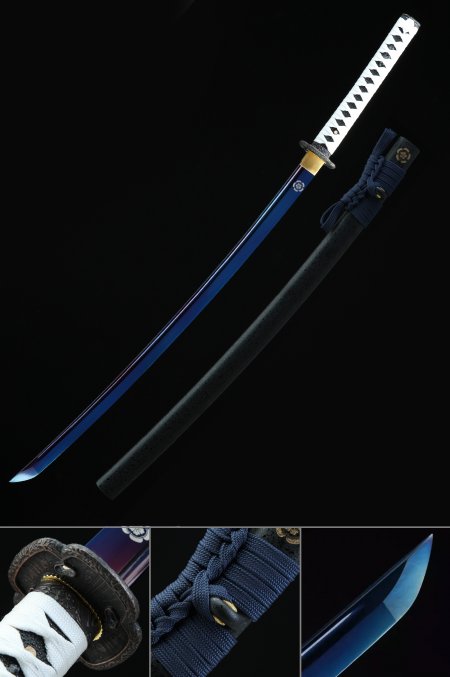
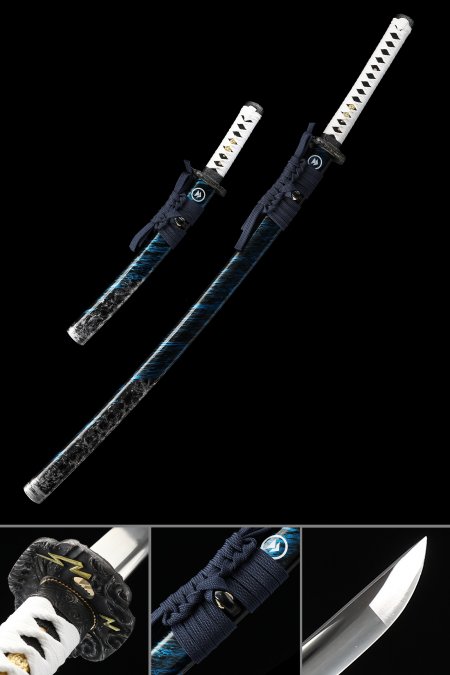
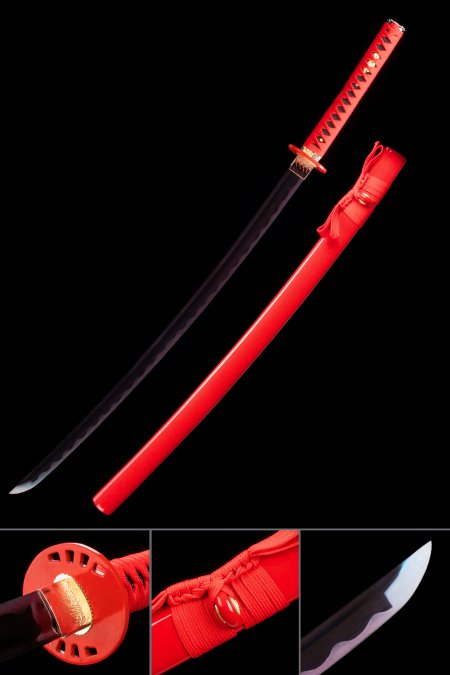
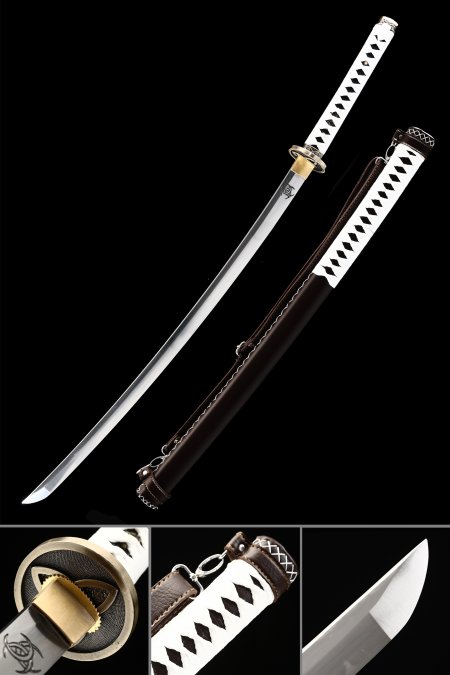
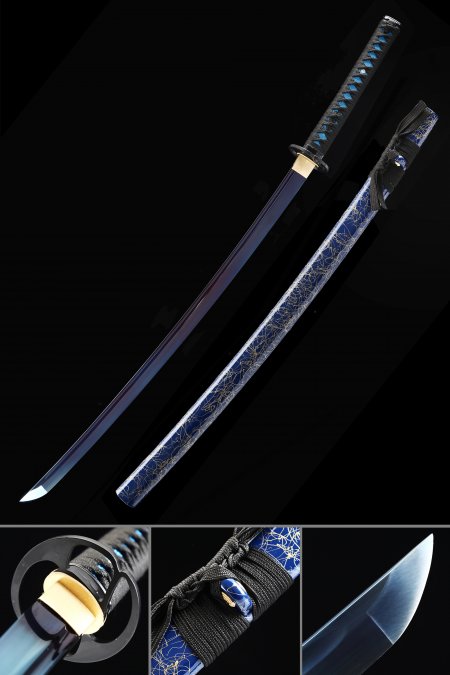
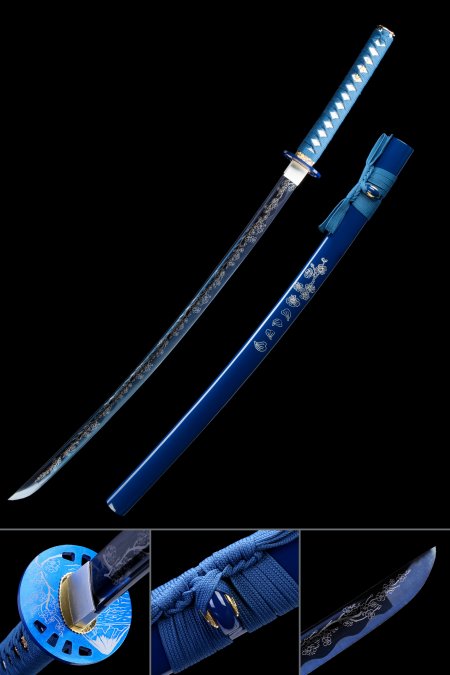
The most immediate difference is curvature and length. The tachi typically has a more pronounced sori (curve) and a longer overall blade than the katana, reflecting its origins as a cavalry sword worn edge-downward rather than edge-up through the belt. This distinction matters for display: a tachi is traditionally mounted and presented with the cutting edge facing downward, which is the reverse of how a katana is displayed. The blade curvature also appears more dramatic when viewed from certain angles, making tachi particularly striking as wall-mounted display pieces. Collectors who own both often note that the tachi commands a different kind of visual presence — longer, more sweeping, and visually tied to an earlier and arguably more formal period of Japanese sword history.