What steel types are used in collectible antique-style katana today?
Updated Feb 2026
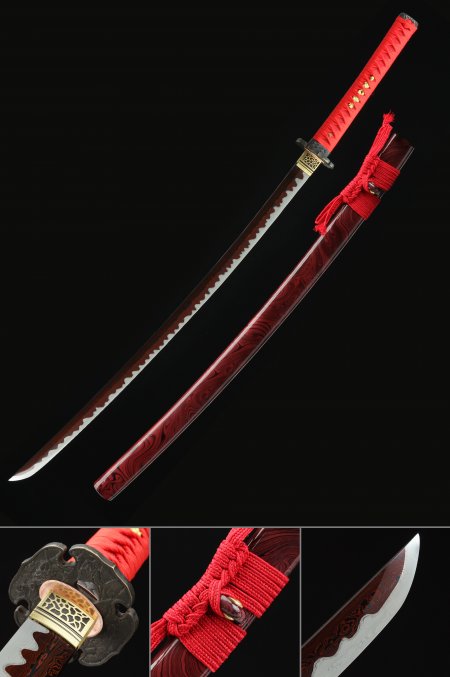
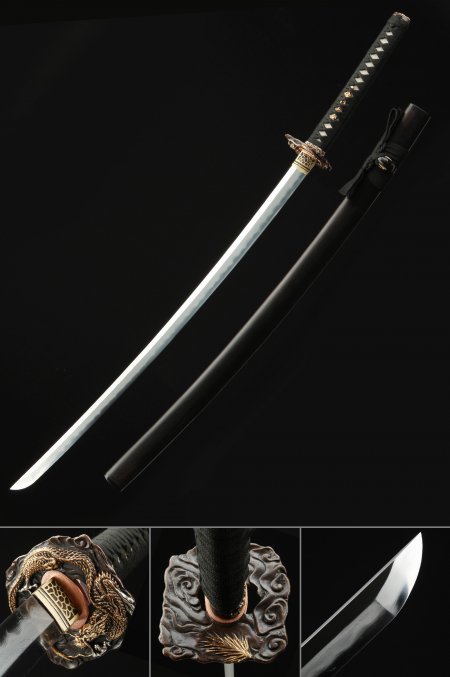
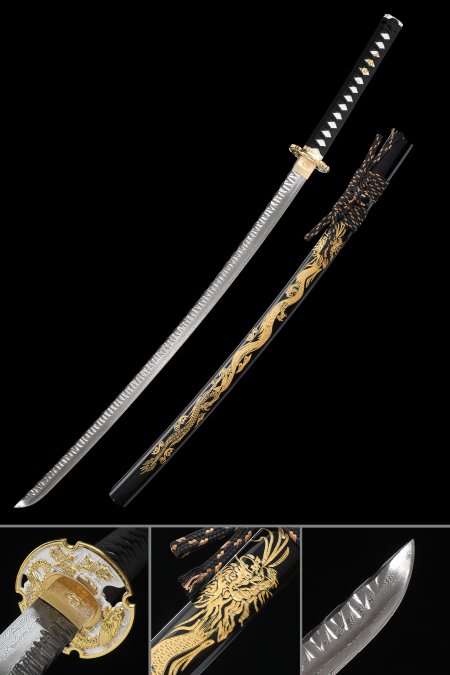
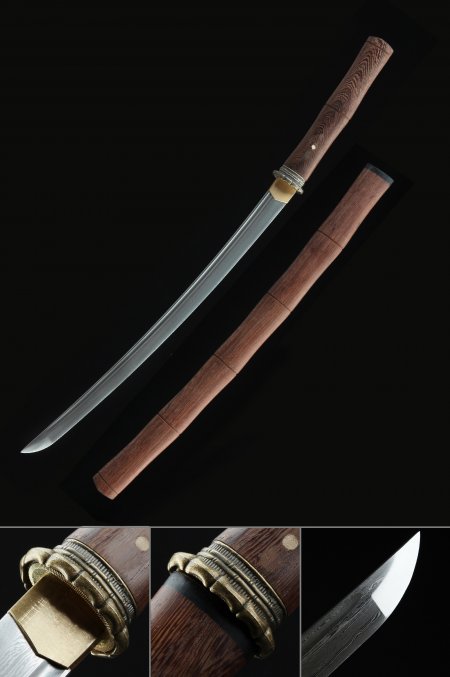
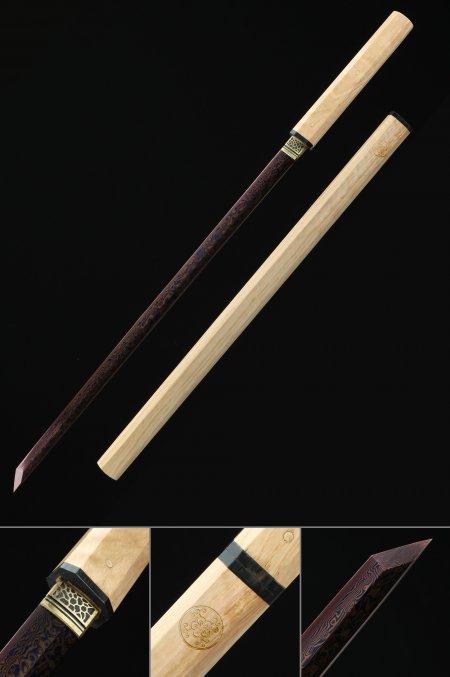
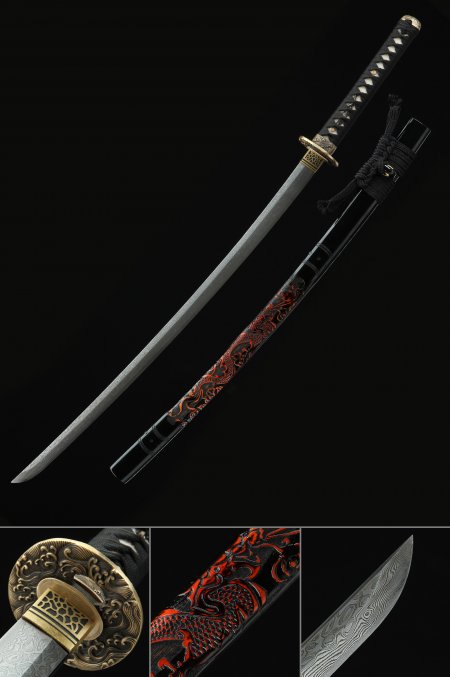
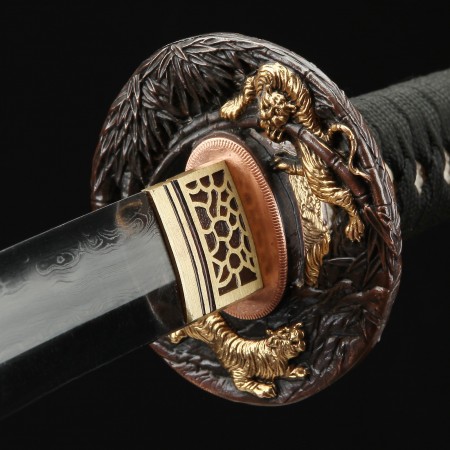
Contemporary collectible katana that reference antique construction most commonly use T10 high-carbon tool steel or Damascus (pattern-welded) steel, both applied with clay tempering to replicate traditional hamon formation. T10 steel, with its approximately 1.0% carbon content and trace silicon, produces a hard, well-defined edge and a crisp hamon line that closely mirrors classical tamahagane blades. Damascus steel — layers of high and low carbon steel folded and welded together — creates the visible grain pattern (jihada) historically associated with folded tamahagane construction. Neither is identical to original tamahagane, but both allow skilled smiths to reproduce the aesthetic and structural characteristics that define antique Japanese swords as collectible art objects.