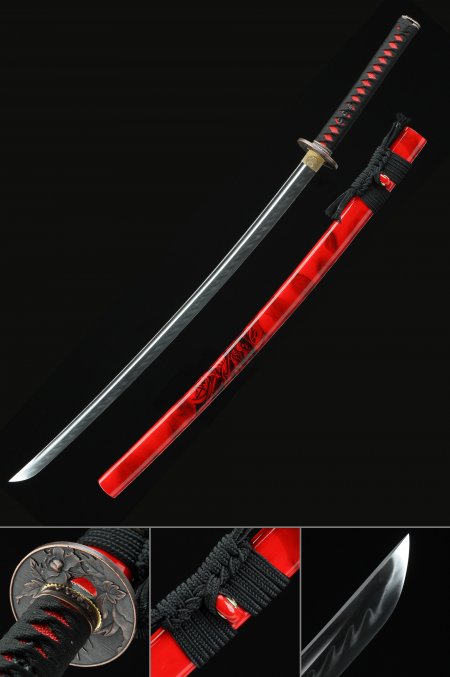
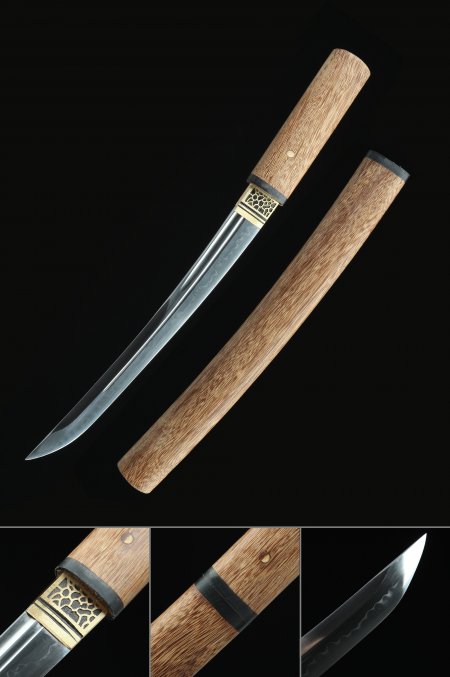
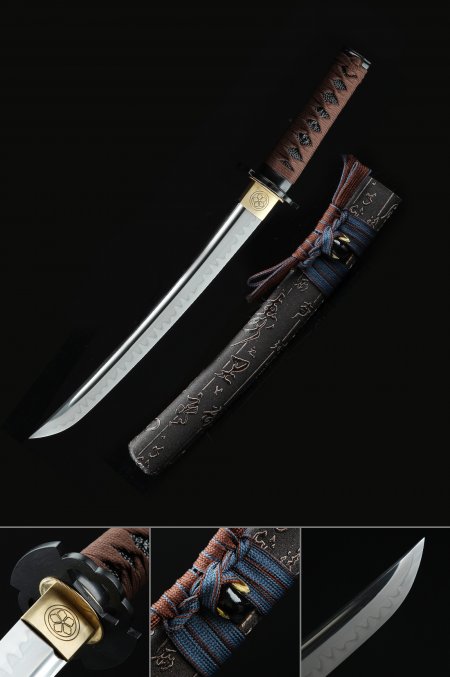
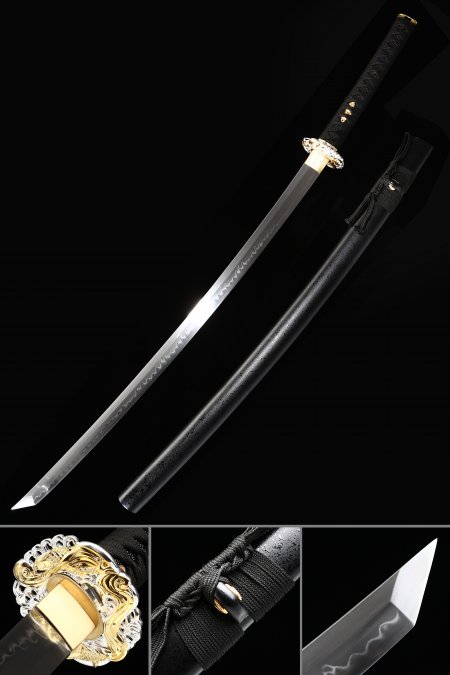
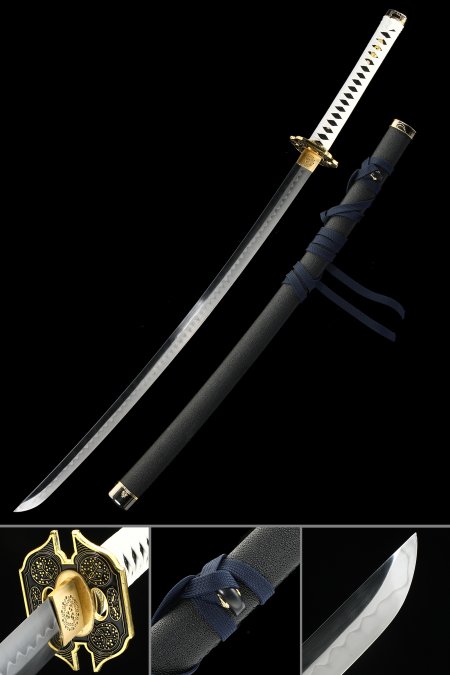
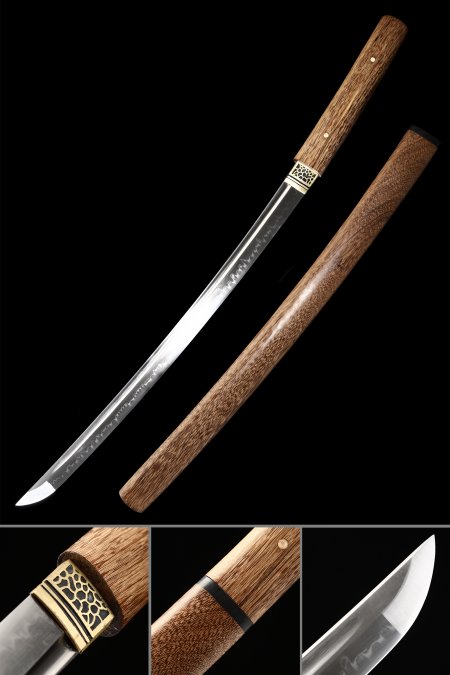
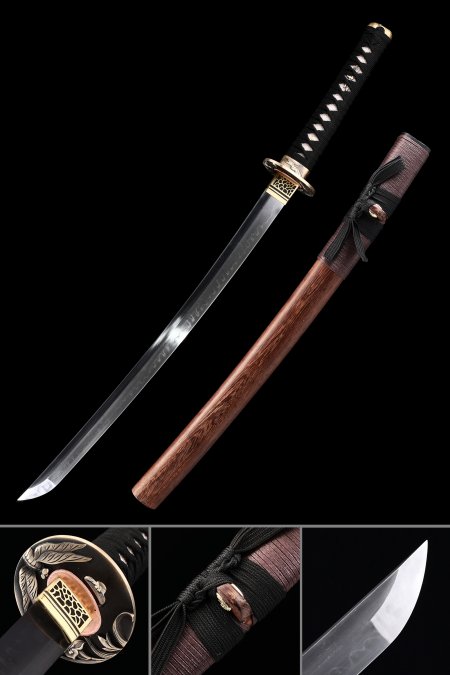
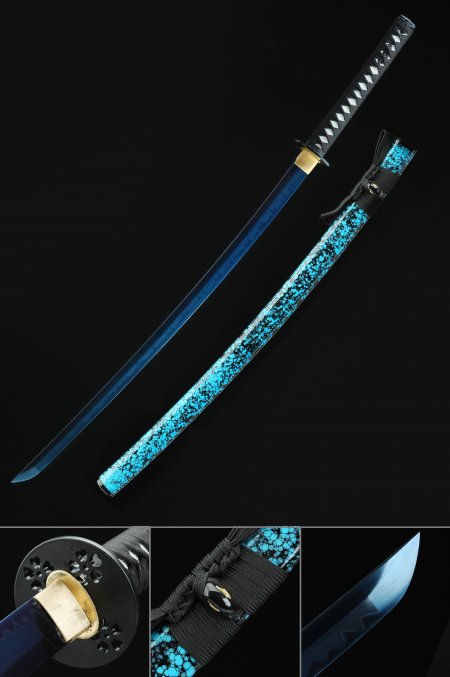
Why is T10 clay-tempered steel the most appropriate grade for a traditional katana?
Updated Feb 2026
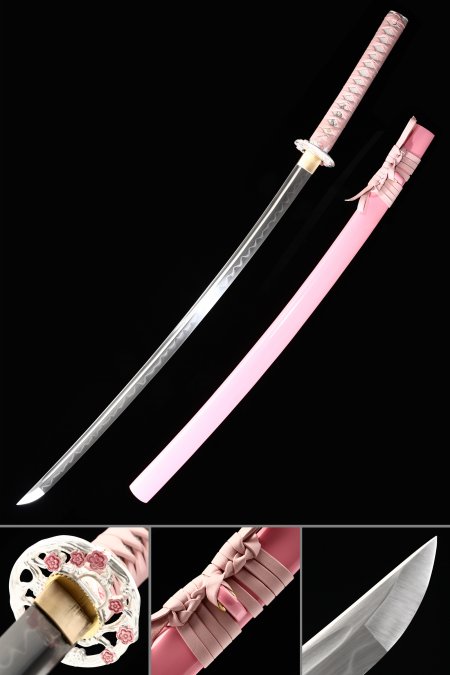
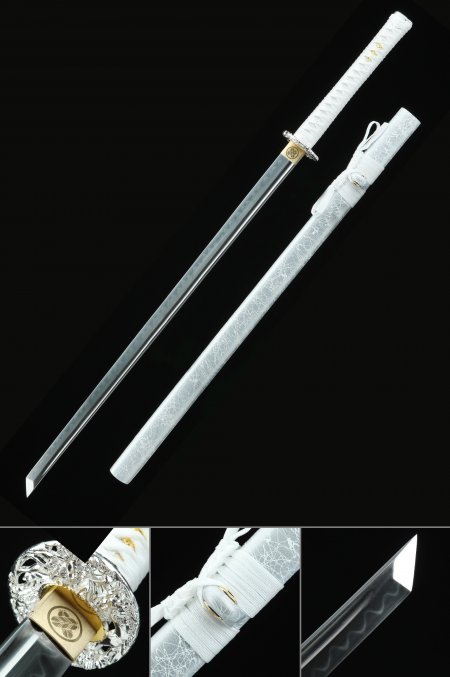
T10 clay-tempered steel is the most appropriate grade for a traditional katana because the differential hardening process it uses to produce the hamon is the same fundamental process that Japanese bladesmiths used for centuries to create quality Japanese swords. The hamon - the visible boundary between the hard edge zone and the softer spine zone - is the primary quality marker of traditional Japanese sword construction, and T10 produces the clearest and most active hamon of any available grade. The nie crystals in T10 hamon boundary zones, visible under good light, are the same crystalline activity that nihonto experts evaluate when assessing genuine historical blades. A traditional katana in T10 clay-tempered steel connects to the craft tradition through both its aesthetic configuration and its blade construction method.