How is the hamon on a T10 katana formed?

 Updated Mar 2026

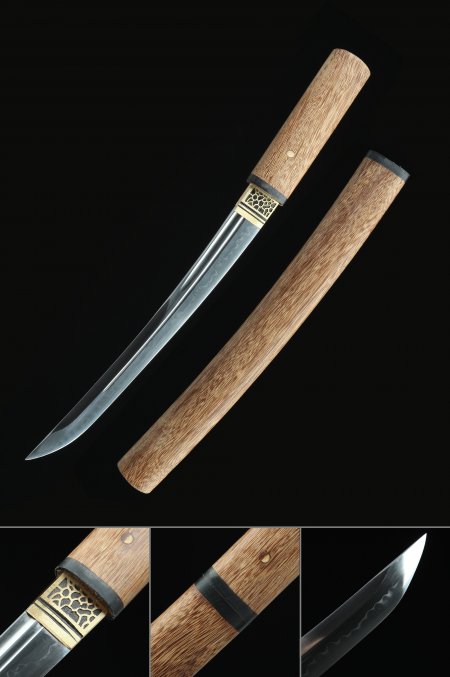
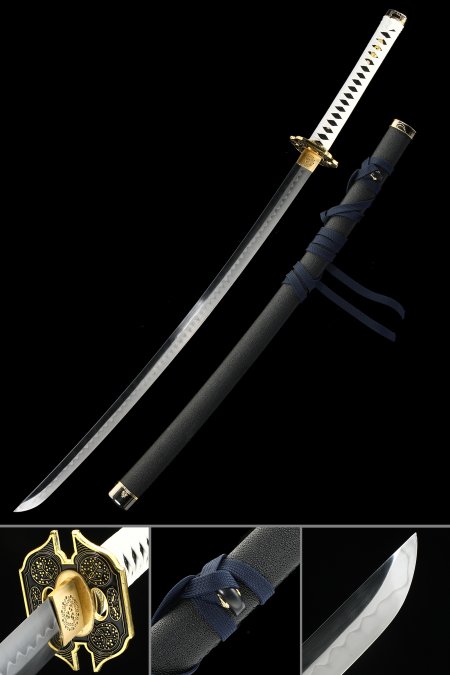
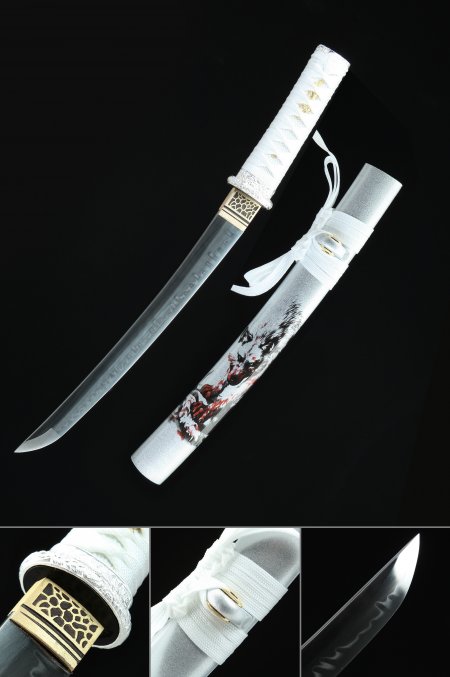
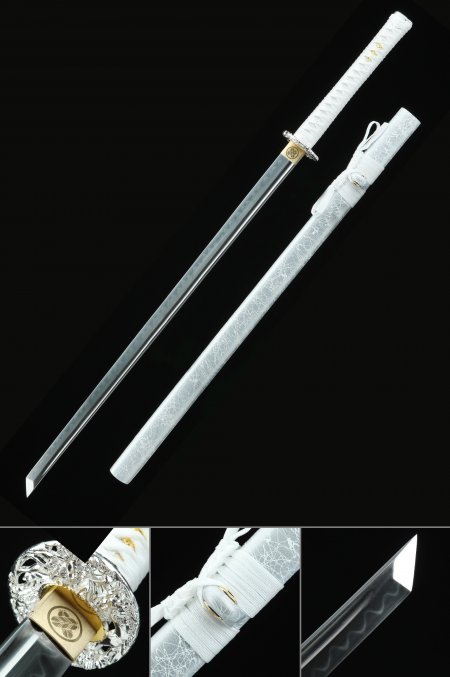
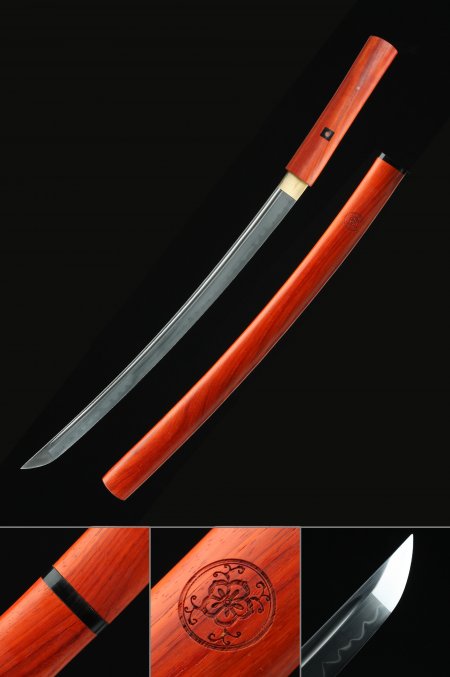
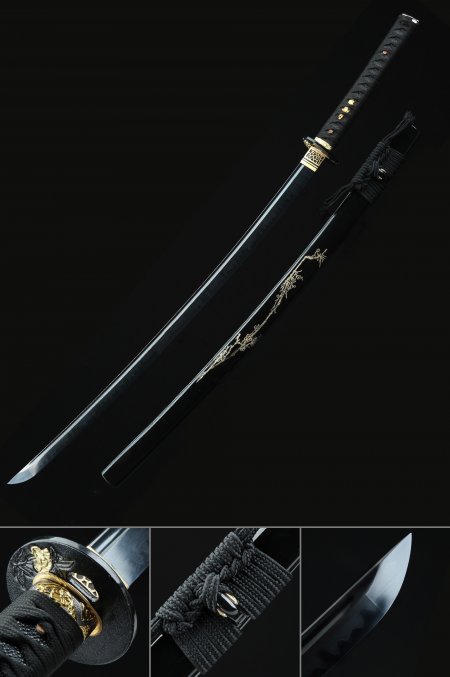
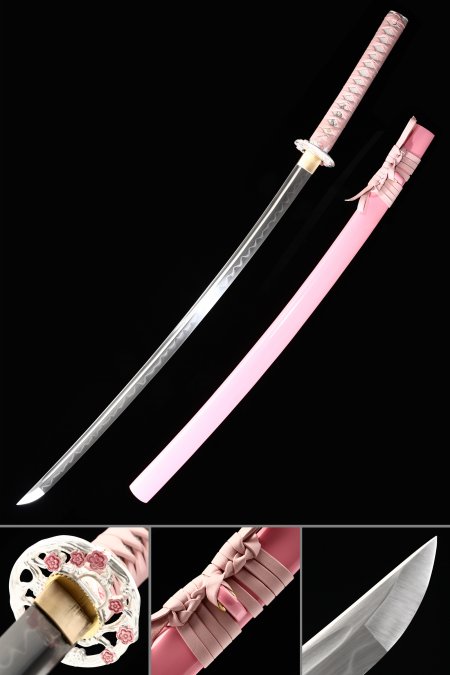
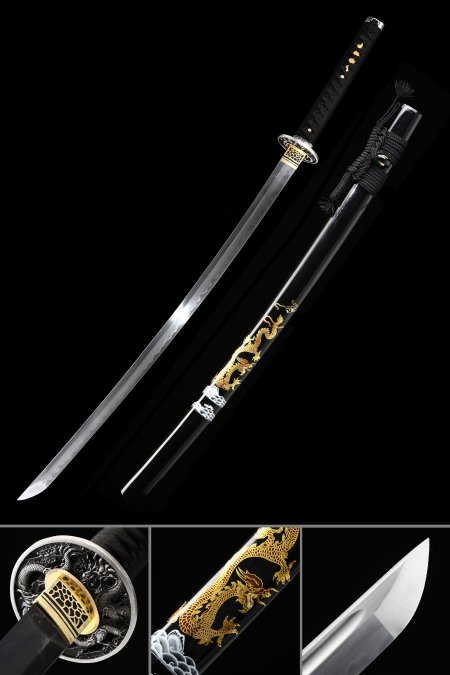
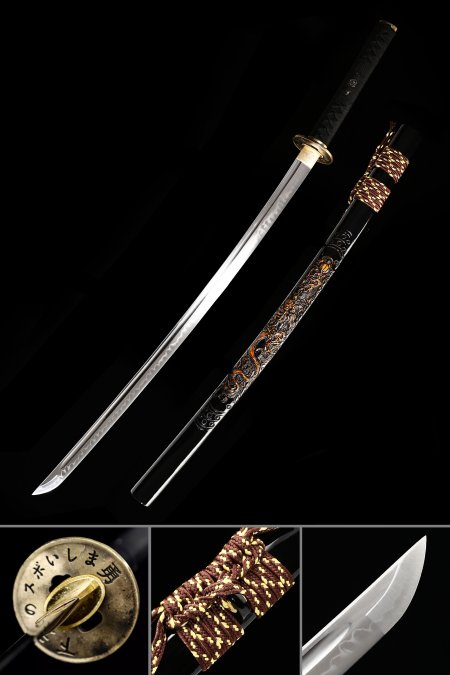
The hamon on a T10 katana is produced through differential clay-tempering, a process where the bladesmith applies a thick layer of insulating clay along the spine before the final quench in water or oil. The exposed edge cools rapidly, hardening into martensite, while the clay-covered spine cools slowly and remains relatively soft and resilient. The boundary between these two crystalline zones — visible as a misty, undulating line along the blade — is the hamon. Because the clay is applied by hand, the pattern varies between individual blades, meaning no two T10 katana share an identical hamon. This natural variation is part of what makes each piece genuinely collectible.
Popular Products

15% OFFblack katana
199.00 USD
229.00 USD
20% OFFwakizashi sword
219.00 USD
279.00 USD
15% OFFshirasaya tanto
149.00 USD
179.00 USD
15% OFFjapanese katana
199.00 USD
239.00 USD
20% OFF
259.00 USD
329.00 USD
15% OFFtanto sword
149.00 USD
179.00 USD
20% OFFchokuto sword
159.00 USD
199.00 USD
20% OFFshirasaya wakizashi
219.00 USD
269.00 USD
20% OFFblack katana
209.00 USD
259.00 USD
15% OFFpink katana
189.00 USD
219.00 USD
20% OFFjapanese katana
169.00 USD
209.00 USD
20% OFFjapanese katana
209.00 USD
259.00 USD
15% OFFblack katana
199.00 USD
229.00 USD
20% OFFwakizashi sword
219.00 USD
279.00 USD
15% OFFshirasaya tanto
149.00 USD
179.00 USD
15% OFFjapanese katana
199.00 USD
239.00 USD
20% OFF
259.00 USD
329.00 USD
15% OFFtanto sword
149.00 USD
179.00 USD
20% OFFchokuto sword
159.00 USD
199.00 USD
20% OFFshirasaya wakizashi
219.00 USD
269.00 USD
20% OFFblack katana
209.00 USD
259.00 USD
15% OFFpink katana
189.00 USD
219.00 USD
20% OFFjapanese katana
169.00 USD
209.00 USD
20% OFFjapanese katana
209.00 USD
259.00 USD

Explore Our Collections