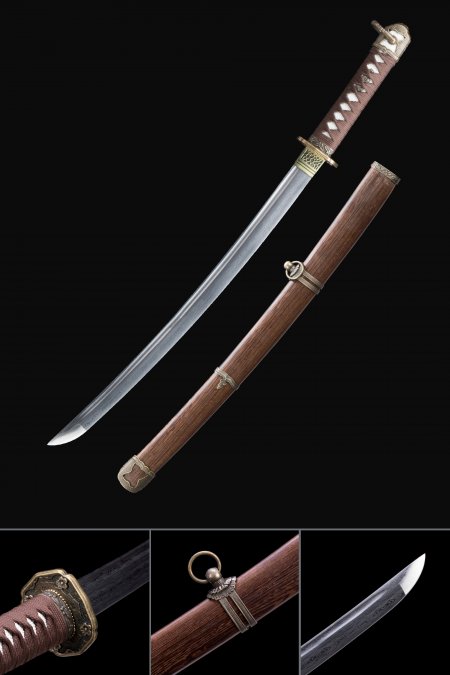
How is the Damascus pattern formed on these blades?

 Updated Mar 2026

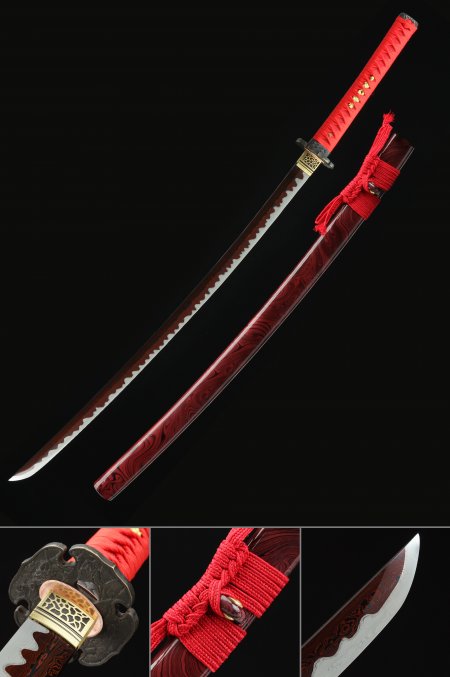
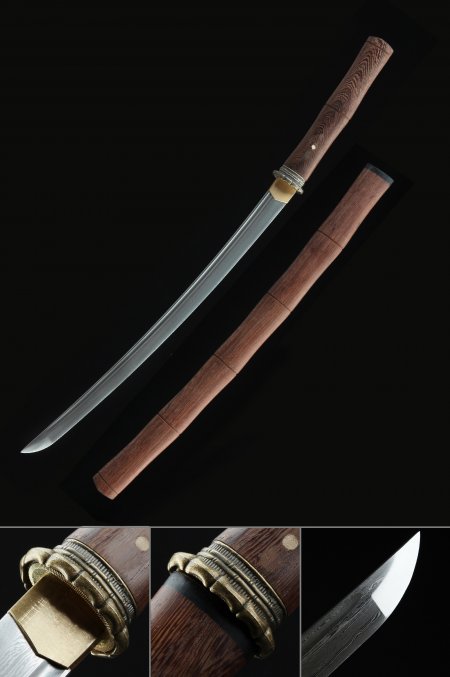
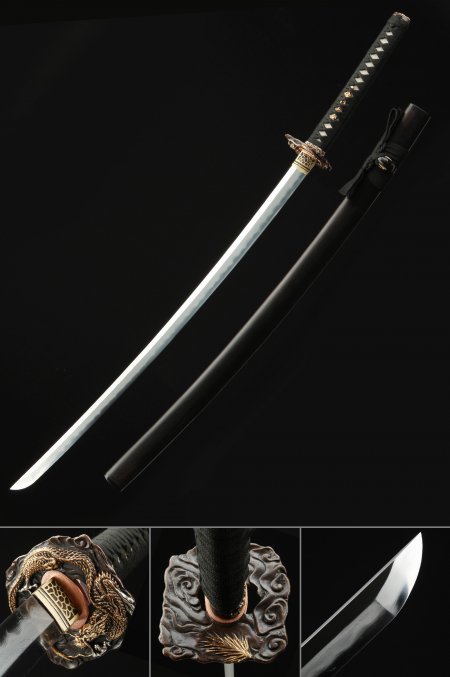
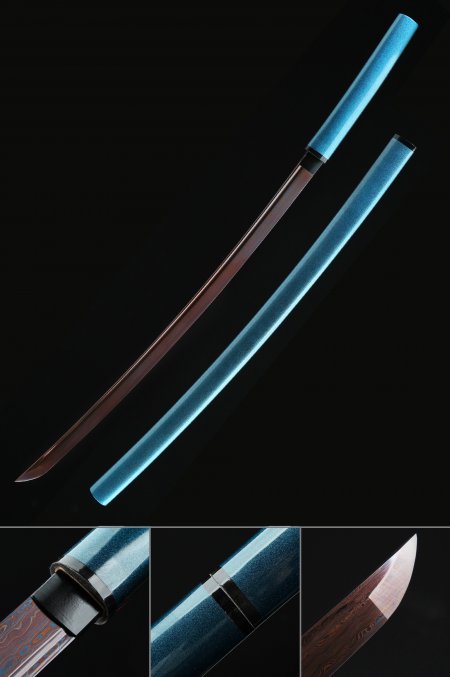
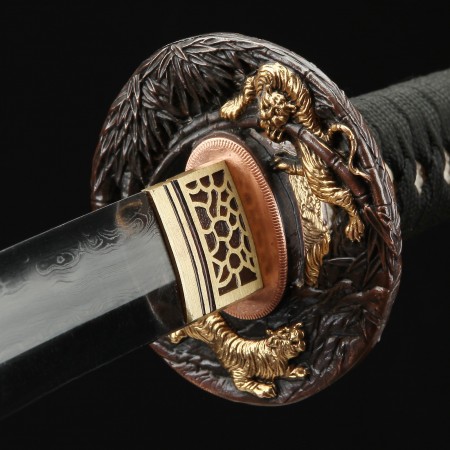
The pattern on these blades is produced through a process called pattern welding, where multiple steel billets with differing carbon content are stacked, heated, and hammered together repeatedly. Each folding cycle doubles the number of layers while distributing carbon throughout the billet. The smith can further manipulate the surface pattern by twisting, grinding channels into, or otherwise reshaping the billet before the final forging pass. Once the blade is shaped and heat-treated, an acid solution is applied to the polished surface — the acid reacts differently with high and low carbon areas, etching the lower carbon regions darker and making the layered grain fully visible. Because the pattern develops from physical manipulation rather than a template, every blade produces a unique surface design.
Popular Products

20% OFFmodern wakizashi
209.00 USD
259.00 USD
15% OFFblack katana
179.00 USD
209.00 USD
20% OFFdamascus katana
329.00 USD
409.00 USD
15% OFFshort katana
199.00 USD
239.00 USD
15% OFFkill bill sword
199.00 USD
229.00 USD
20% OFFdamascus katana
619.00 USD
769.00 USD
15% OFFshirasaya katana
209.00 USD
249.00 USD
15% OFFgolden katana
199.00 USD
229.00 USD
15% OFFreal katana
649.00 USD
769.00 USD
20% OFFjapanese katana
229.00 USD
289.00 USD
15% OFFww2 wakizashi
169.00 USD
199.00 USD
15% OFFblack katana
179.00 USD
209.00 USD
20% OFFmodern wakizashi
209.00 USD
259.00 USD
15% OFFblack katana
179.00 USD
209.00 USD
20% OFFdamascus katana
329.00 USD
409.00 USD
15% OFFshort katana
199.00 USD
239.00 USD
15% OFFkill bill sword
199.00 USD
229.00 USD
20% OFFdamascus katana
619.00 USD
769.00 USD
15% OFFshirasaya katana
209.00 USD
249.00 USD
15% OFFgolden katana
199.00 USD
229.00 USD
15% OFFreal katana
649.00 USD
769.00 USD
20% OFFjapanese katana
229.00 USD
289.00 USD
15% OFFww2 wakizashi
169.00 USD
199.00 USD
15% OFFblack katana
179.00 USD
209.00 USD

Explore Our Collections