What makes 1095 carbon steel a good choice for a naginata?

 Updated Mar 2026

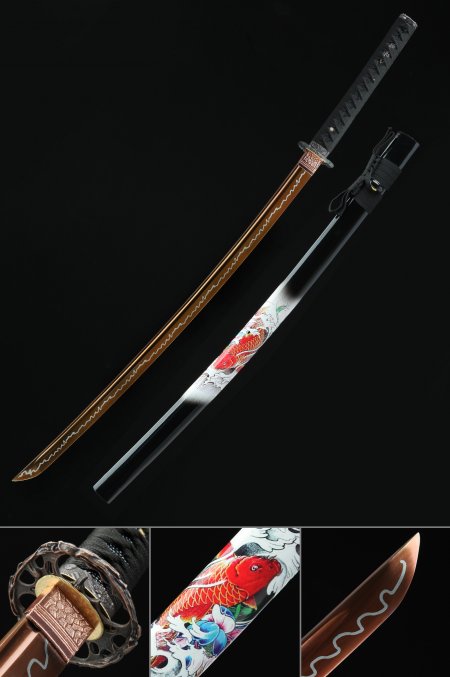
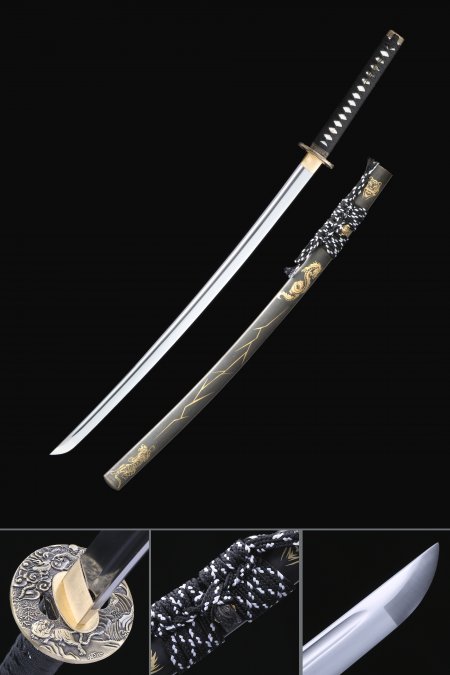
1095 carbon steel contains approximately 0.95% carbon, which sits in a sweet spot for differential heat treatment. When a blade smith applies clay to the spine before quenching, the edge cools faster and hardens to a higher degree, while the spine remains comparatively tough. The result is the hamon — that visible, misty transition line along the edge — which is both a functional record of the tempering process and one of the most prized aesthetic features among Japanese blade collectors. For a naginata specifically, this quality of steel also means the curved blade holds its geometry well over time, resisting micro-deformation that softer alloys might exhibit. Collectors value 1095 pieces for the authenticity of this process and for the warm, slightly matte surface character that distinguishes high-carbon steel from modern stainless options.
Popular Products

40% OFF1095 steel katana
139.00 USD
229.00 USD
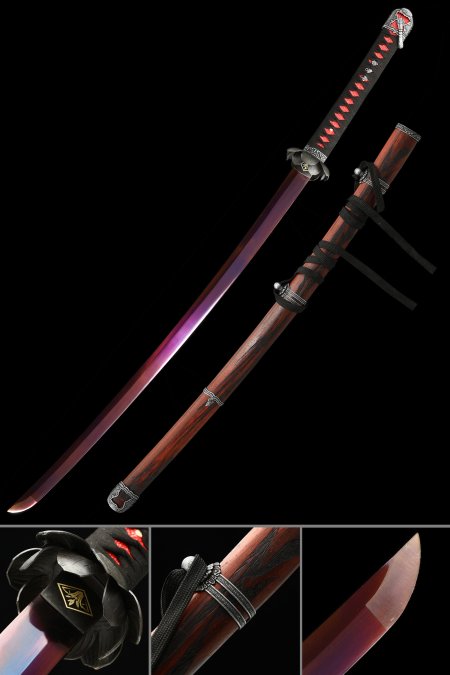
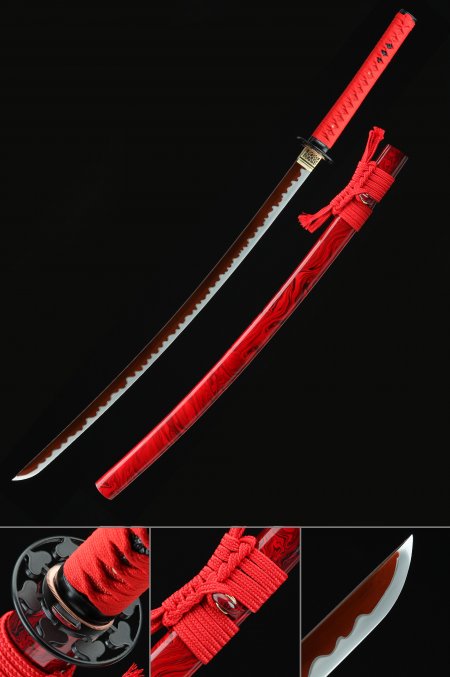
15% OFFred katana
199.00 USD
239.00 USD
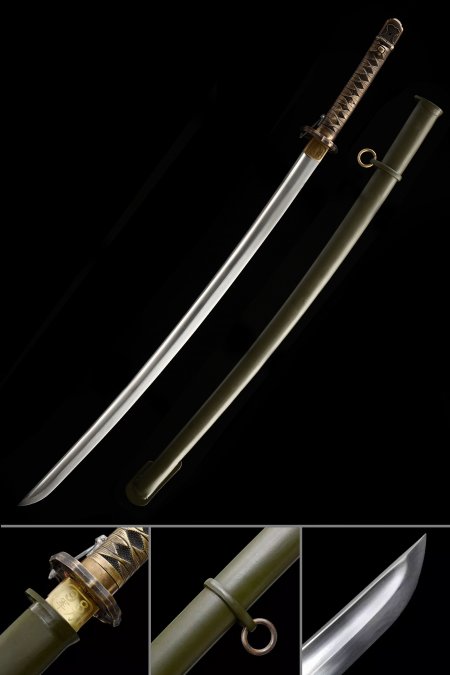
20% OFFww2 katana
219.00 USD
279.00 USD
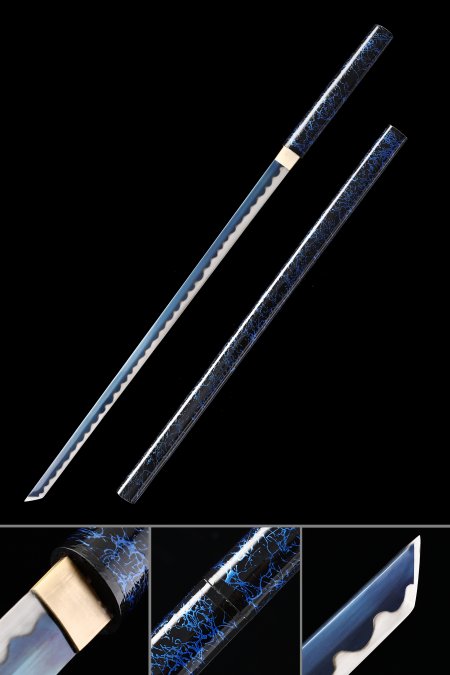
15% OFFzatoichi sword
189.00 USD
219.00 USD
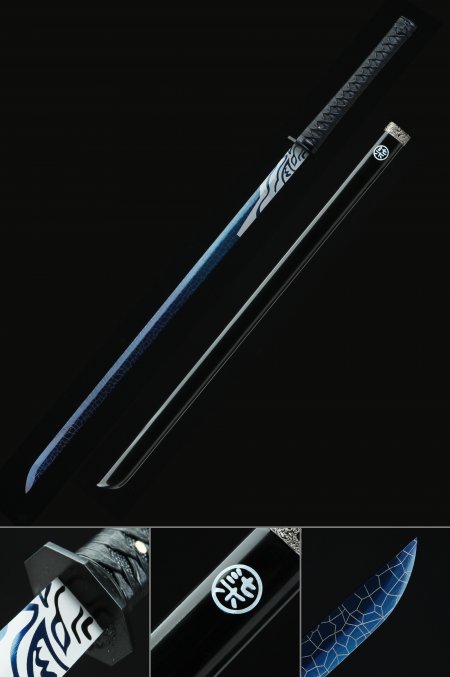
15% OFFninja sword
159.00 USD
189.00 USD
20% OFFsekiro's katana
229.00 USD
289.00 USD
15% OFFwhite wakizashi
179.00 USD
209.00 USD
0% OFF1095 carbon steel katana
0.00 USD
239.00 USD
15% OFFjapanese katana
199.00 USD
239.00 USD
20% OFFblack katana
169.00 USD
209.00 USD
15% OFFjapanese katana
169.00 USD
199.00 USD
15% OFFjapanese katana
249.00 USD
299.00 USD
40% OFF1095 steel katana
139.00 USD
229.00 USD
15% OFFred katana
199.00 USD
239.00 USD
20% OFFww2 katana
219.00 USD
279.00 USD
15% OFFzatoichi sword
189.00 USD
219.00 USD
15% OFFninja sword
159.00 USD
189.00 USD
20% OFFsekiro's katana
229.00 USD
289.00 USD
15% OFFwhite wakizashi
179.00 USD
209.00 USD
0% OFF1095 carbon steel katana
0.00 USD
239.00 USD
15% OFFjapanese katana
199.00 USD
239.00 USD
20% OFFblack katana
169.00 USD
209.00 USD
15% OFFjapanese katana
169.00 USD
199.00 USD
15% OFFjapanese katana
249.00 USD
299.00 USD

Explore Our Collections