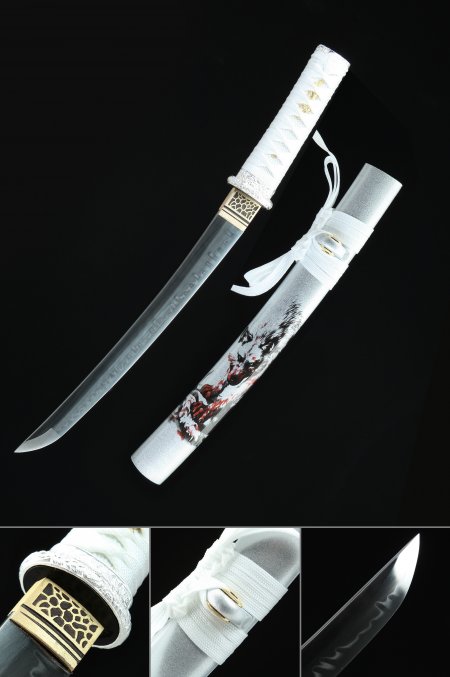
How does clay tempering affect the appearance of a T10 tanto blade?

 Updated Mar 2026

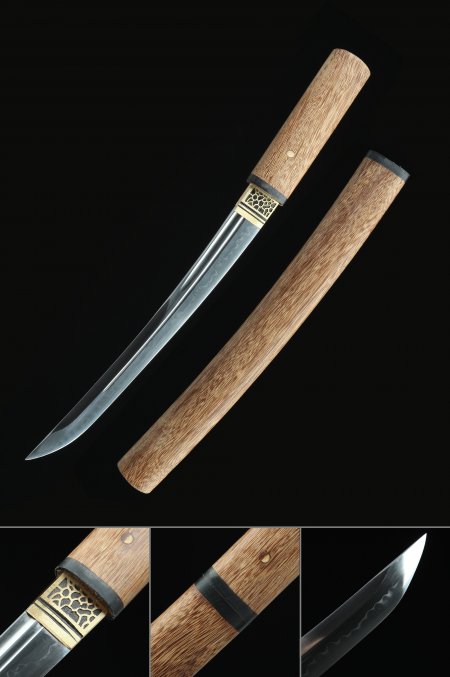
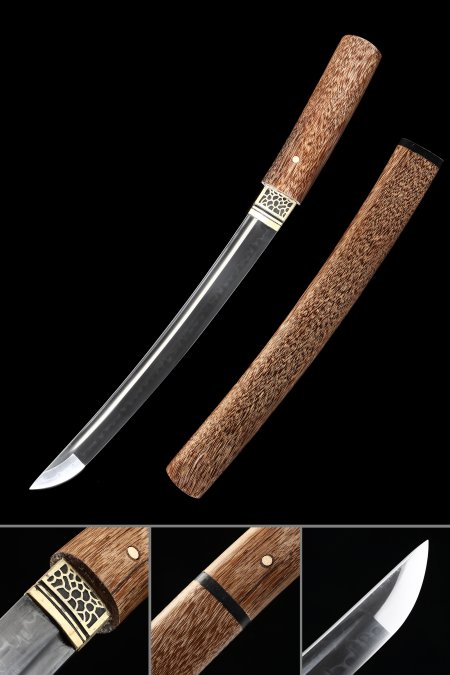
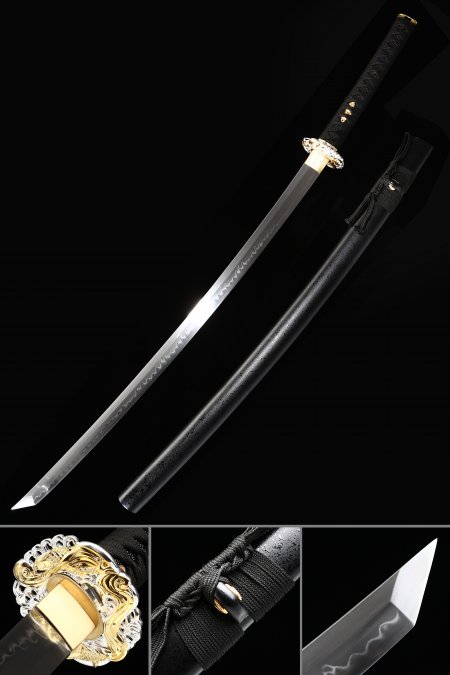
Clay tempering — known as tsuchioki in Japanese smithing — involves coating the blade spine with a clay mixture before the quenching process. The insulated spine cools more slowly than the exposed edge, resulting in a harder edge and a softer, more flexible spine. The boundary between these two zones becomes visible as the hamon, a distinct temper line running along the blade's length. On T10 carbon steel, this line often appears as a misty, undulating pattern called nie or nioi, depending on the grain structure. Because the clay is applied by hand and no two quenches are identical, every hamon is a one-of-a-kind feature — one of the most valued visual characteristics among Japanese blade collectors.
Popular Products

15% OFFblack katana
199.00 USD
229.00 USD
20% OFFwakizashi sword
219.00 USD
279.00 USD
20% OFF
259.00 USD
329.00 USD
15% OFFshirasaya tanto
149.00 USD
179.00 USD
15% OFFjapanese katana
199.00 USD
239.00 USD
15% OFFwhite katana
209.00 USD
249.00 USD
20% OFFblack katana
209.00 USD
259.00 USD
15% OFFpink katana
189.00 USD
219.00 USD
15% OFFred katana
199.00 USD
229.00 USD
15% OFFshirasaya tanto
149.00 USD
179.00 USD
20% OFFblue katana
209.00 USD
259.00 USD
15% OFFtanto sword
149.00 USD
179.00 USD
15% OFFblack katana
199.00 USD
229.00 USD
20% OFFwakizashi sword
219.00 USD
279.00 USD
20% OFF
259.00 USD
329.00 USD
15% OFFshirasaya tanto
149.00 USD
179.00 USD
15% OFFjapanese katana
199.00 USD
239.00 USD
15% OFFwhite katana
209.00 USD
249.00 USD
20% OFFblack katana
209.00 USD
259.00 USD
15% OFFpink katana
189.00 USD
219.00 USD
15% OFFred katana
199.00 USD
229.00 USD
15% OFFshirasaya tanto
149.00 USD
179.00 USD
20% OFFblue katana
209.00 USD
259.00 USD
15% OFFtanto sword
149.00 USD
179.00 USD

Explore Our Collections