What does clay tempering do to a blade, and can you see it?
Updated Mar 2026
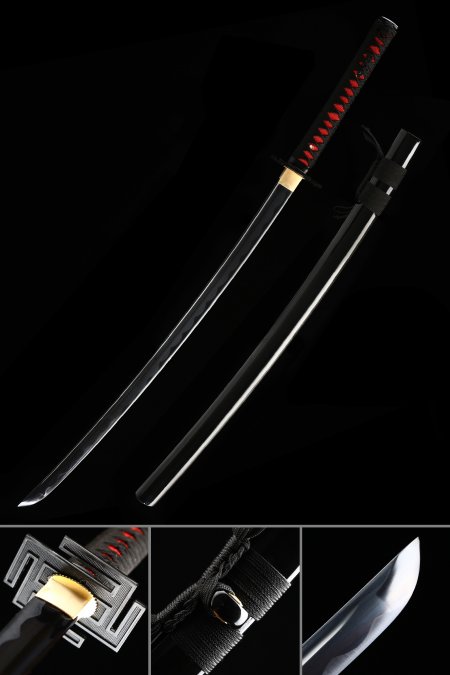
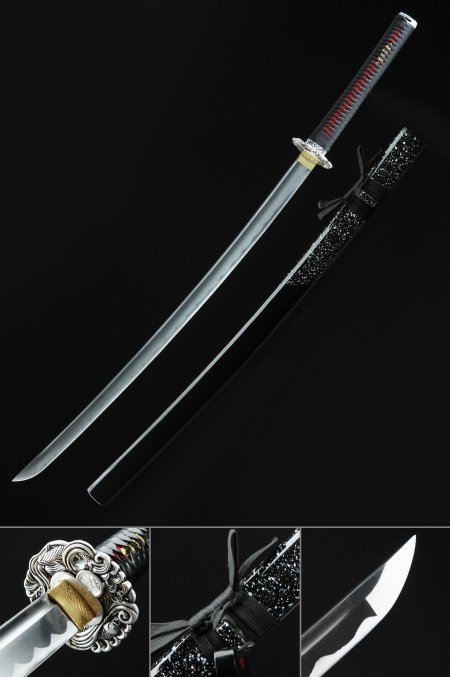
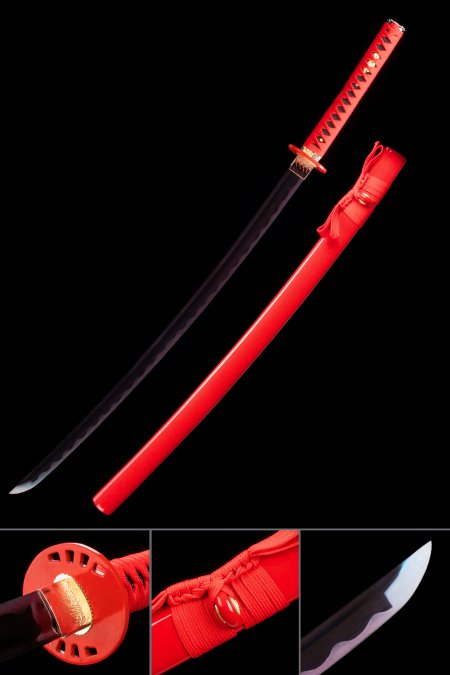
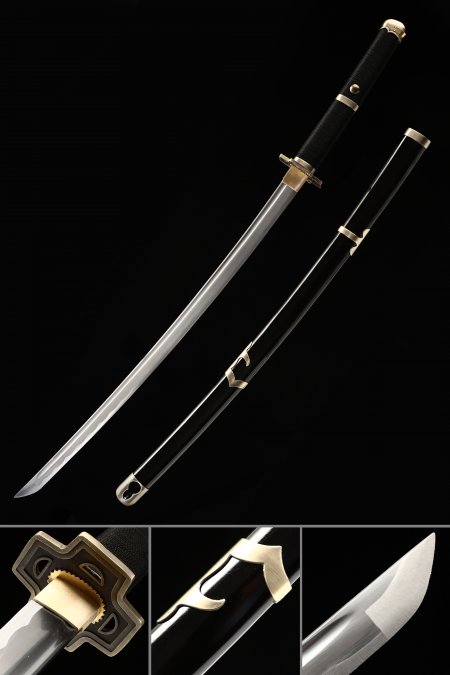
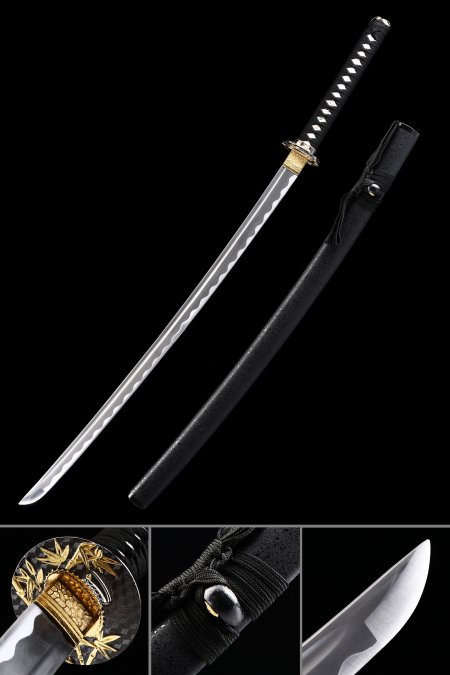
Clay tempering — known in Japanese as tsuchioki — is a heat-treatment process in which a clay mixture is applied to the blade before it is heated and quenched. The clay insulates the spine, causing it to cool more slowly than the exposed edge. This differential cooling produces two distinct crystalline structures within the same blade: a harder edge (martensite) and a tougher spine (pearlite or bainite). The boundary between these zones forms the hamon — the visible temper line that appears as a mist-like or wave-like pattern along the blade's length. No two hamon are identical because subtle variations in clay application, furnace temperature, and quench timing all influence the outcome. For collectors, a genuine clay-tempered hamon is one of the most valued visual and technical features a blade can carry, serving as both aesthetic focal point and evidence of traditional craft process.