How is Damascus steel different from mono-steel in a display sword?
Updated Mar 2026
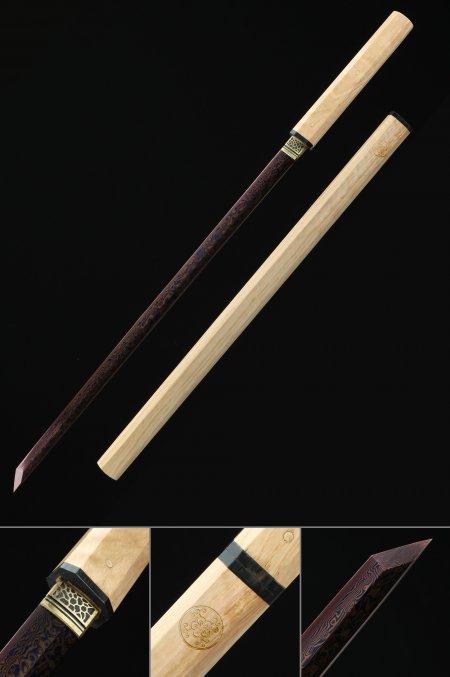
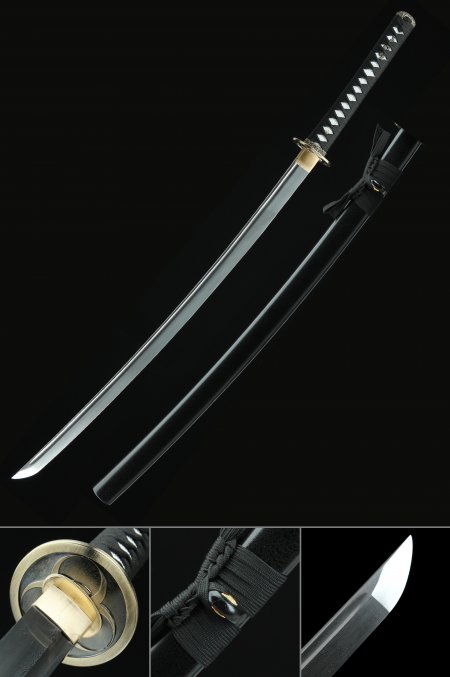
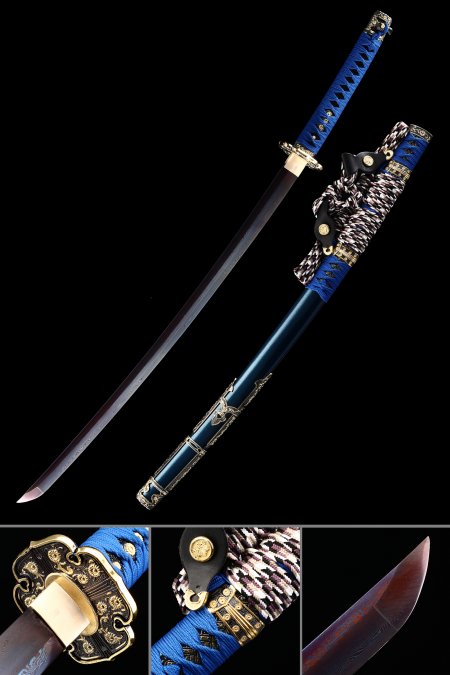
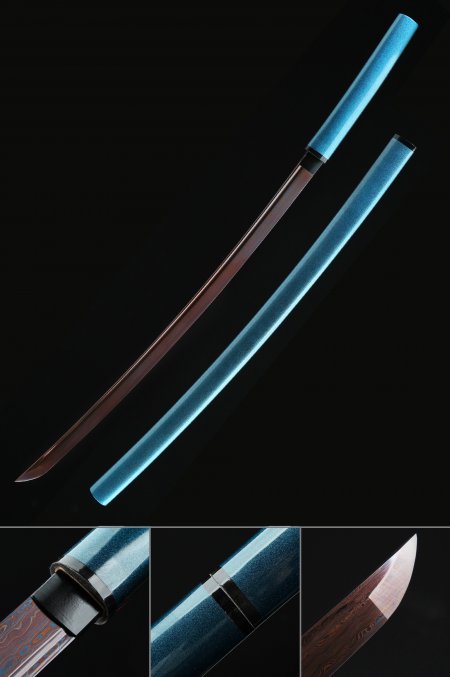
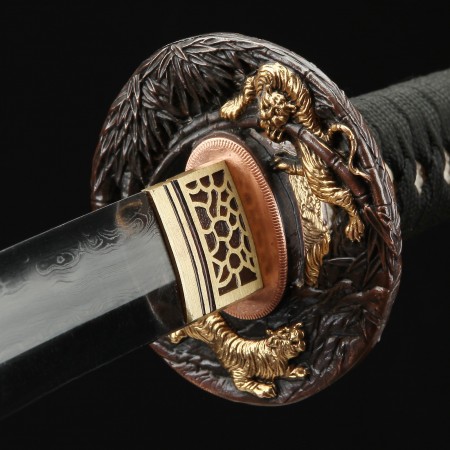
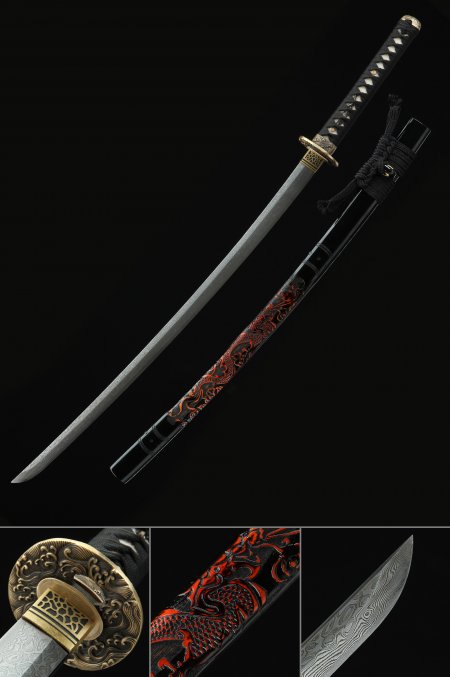
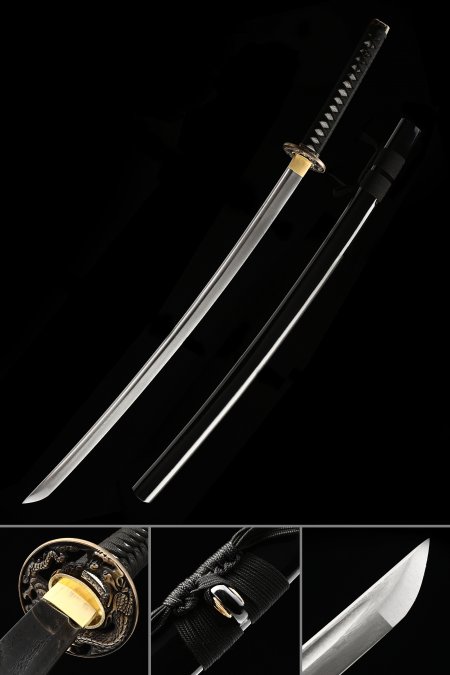
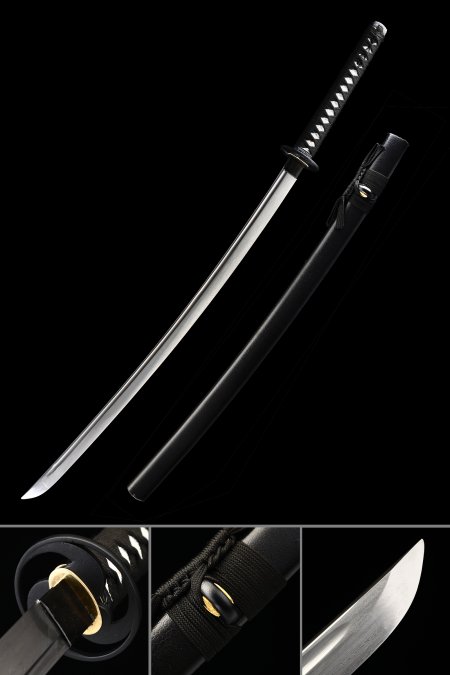
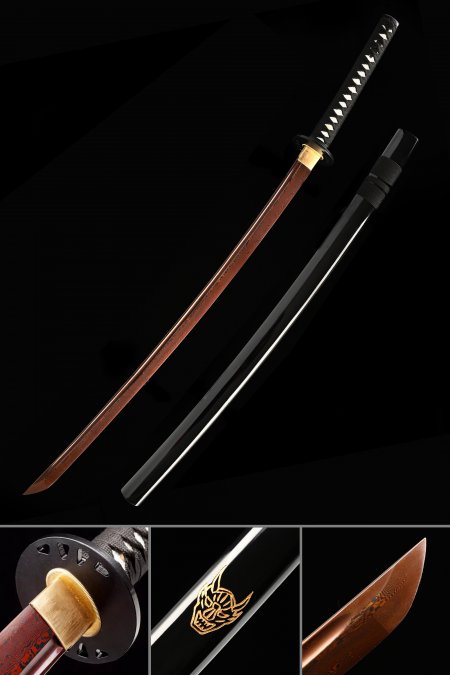
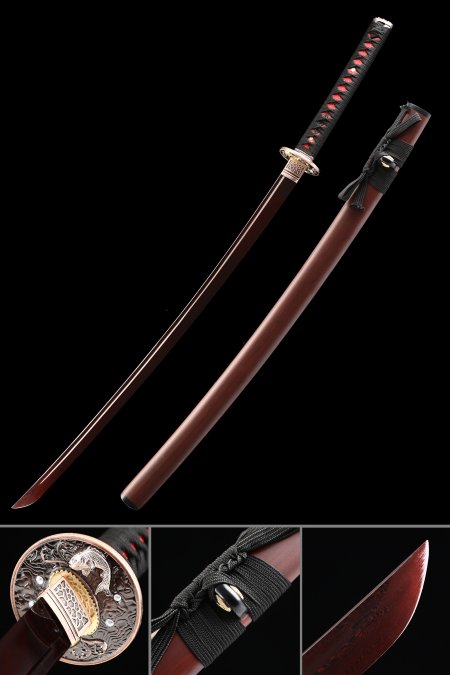
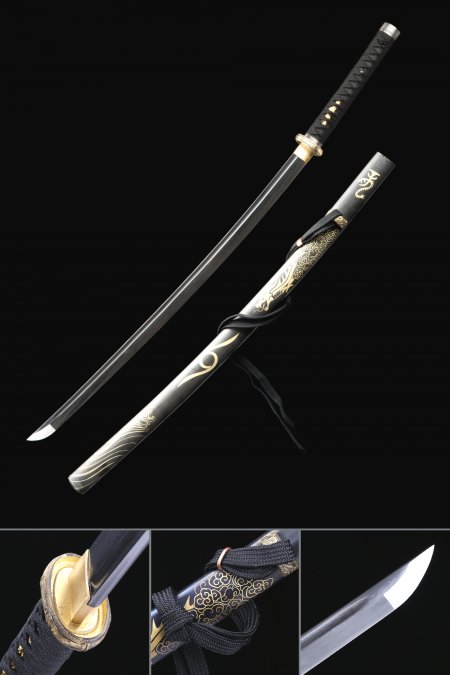
Damascus steel - also called pattern-welded steel in the modern context - is produced by forge-welding multiple layers of steel together, then drawing, folding, and manipulating the billet to create a visible grain pattern across the blade surface. This layered structure produces the flowing, water-like visual texture that immediately distinguishes Damascus pieces from mono-steel blades. In a collectible context, the pattern becomes one of the primary aesthetic features, making each blade visually unique since no two folded billets produce exactly the same surface pattern. Mono-steel blades, by contrast, are uniform in appearance and typically favored for functional clarity. For display collectors, Damascus steel offers a richer visual story - the grain pattern, when combined with a real hamon temper line, creates a blade surface with considerable depth and detail that rewards close examination.