How does clay tempering affect the hamon on a T10 blade?

 Updated Mar 2026

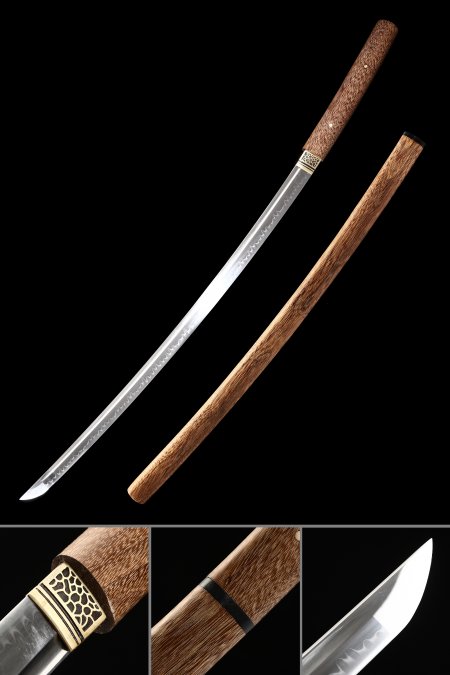
Clay tempering involves applying a thin layer of refractory clay along the blade's spine before the quenching step in heat treatment. The clay insulates the spine, causing it to cool more slowly than the uncoated edge. This differential cooling transforms the edge zone into martensite — a hard, crystalline steel structure — while leaving the spine in a tougher, more flexible state. The boundary between these two zones is the hamon. On a T10 blade with a gray finish, the hamon appears as a visible wave or irregular line running along the length of the blade, often accompanied by nie (individual martensite crystals) and nioi (a misty transition zone). A genuine clay-tempered hamon cannot be replicated by acid etching or surface treatment, making it a reliable indicator of authentic heat treatment for knowledgeable collectors.
Popular Products

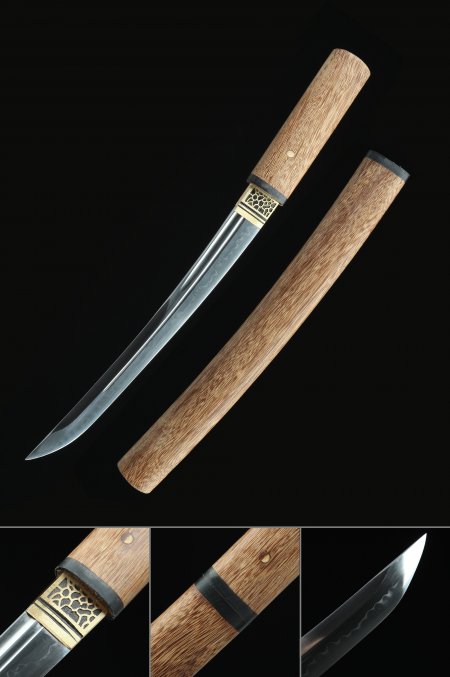
15% OFFtanto sword
149.00 USD
179.00 USD
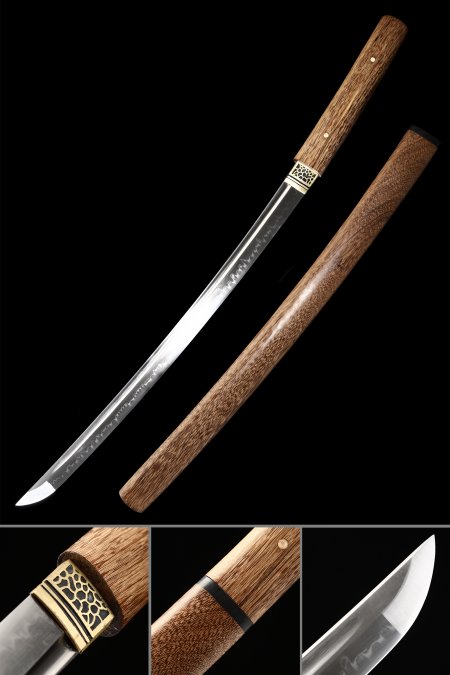
20% OFFshirasaya wakizashi
179.00 USD
219.00 USD
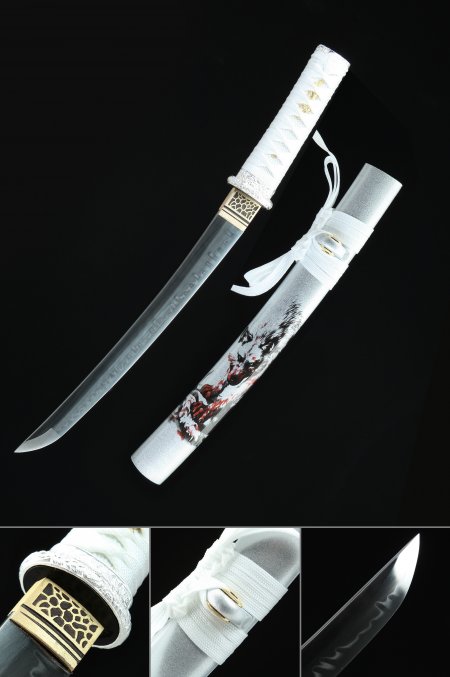
15% OFFshirasaya tanto
149.00 USD
179.00 USD
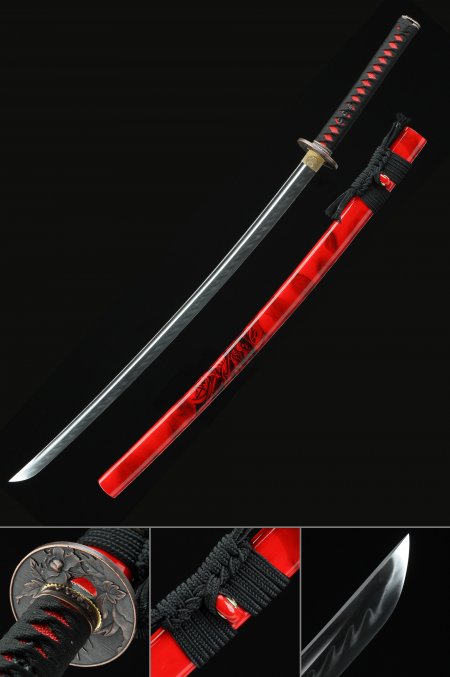
15% OFFred katana
199.00 USD
229.00 USD
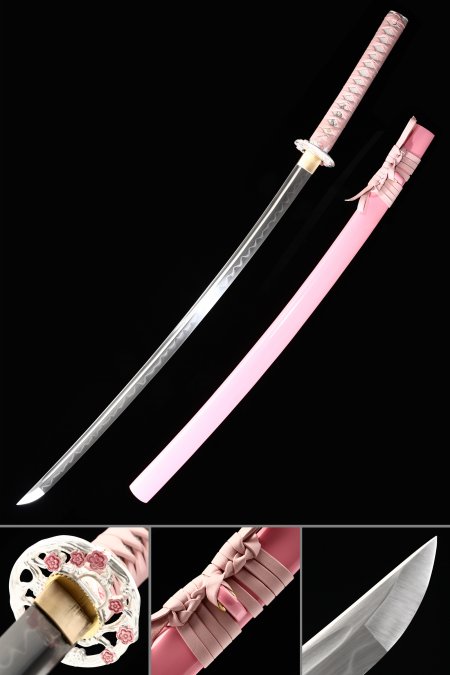
15% OFFpink katana
189.00 USD
219.00 USD
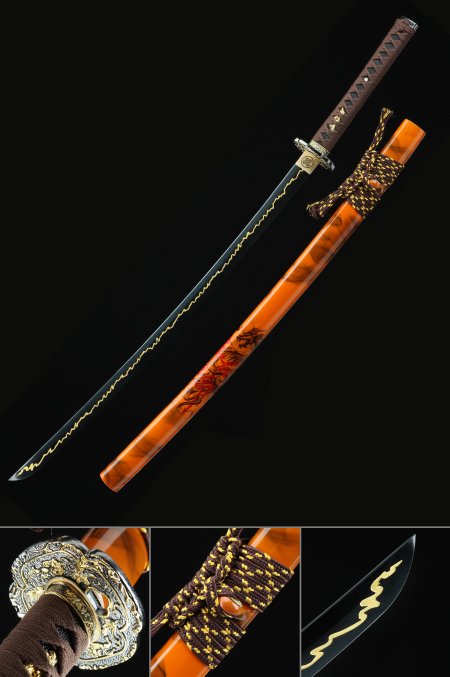
15% OFFjapanese katana
199.00 USD
239.00 USD
20% OFFjapanese katana
169.00 USD
209.00 USD
20% OFFchokuto sword
159.00 USD
199.00 USD
20% OFFshirasaya katana
209.00 USD
259.00 USD
15% OFFtanto sword
179.00 USD
209.00 USD
20% OFFjapanese katana
209.00 USD
259.00 USD
15% OFFshirasaya tanto
149.00 USD
179.00 USD
15% OFFtanto sword
149.00 USD
179.00 USD
20% OFFshirasaya wakizashi
179.00 USD
219.00 USD
15% OFFshirasaya tanto
149.00 USD
179.00 USD
15% OFFred katana
199.00 USD
229.00 USD
15% OFFpink katana
189.00 USD
219.00 USD
15% OFFjapanese katana
199.00 USD
239.00 USD
20% OFFjapanese katana
169.00 USD
209.00 USD
20% OFFchokuto sword
159.00 USD
199.00 USD
20% OFFshirasaya katana
209.00 USD
259.00 USD
15% OFFtanto sword
179.00 USD
209.00 USD
20% OFFjapanese katana
209.00 USD
259.00 USD
15% OFFshirasaya tanto
149.00 USD
179.00 USD

Explore Our Collections