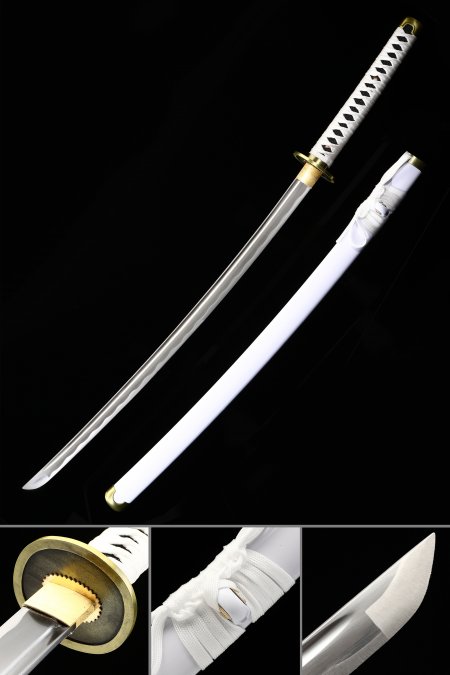
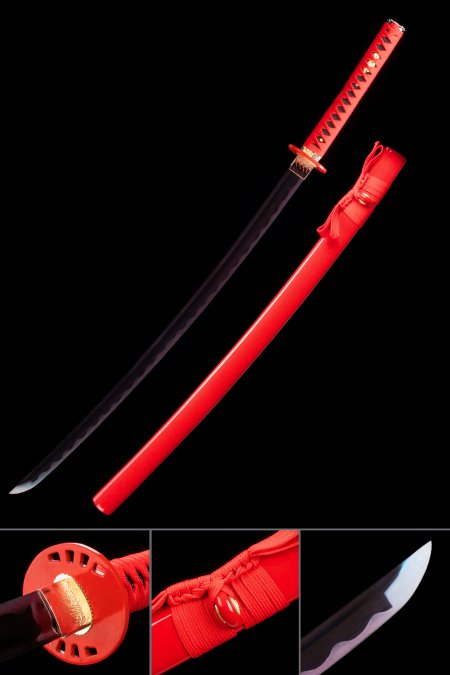
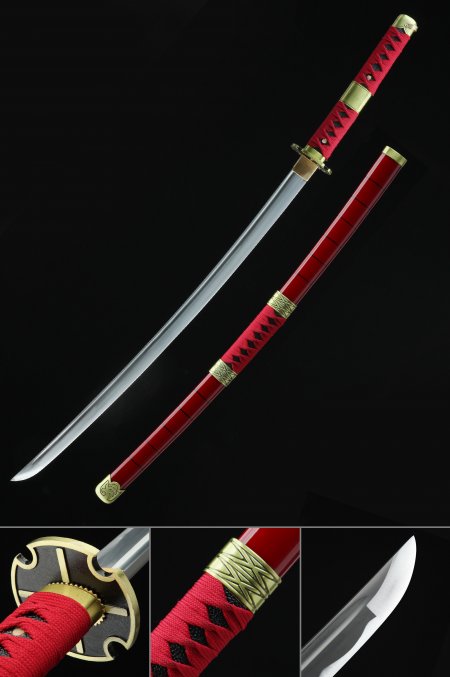
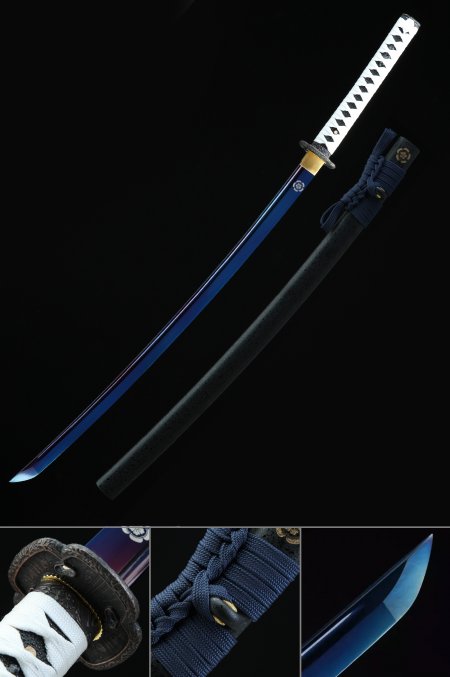
Is a real hamon on a collectible katana important?
Updated Mar 2026
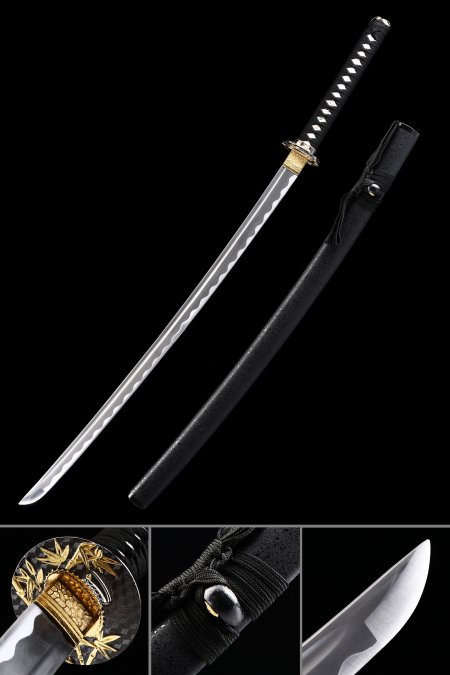
Yes, and the distinction matters more than many buyers realize. A real hamon is produced through the clay-tempering process — a portion of the blade is coated in clay before quenching, which causes differential cooling and creates a genuine hardened zone along the edge. The hamon that results is an organic, naturally formed boundary unique to that specific blade. A false hamon, by contrast, is simply acid-etched or wire-brushed onto a uniformly hardened blade as a cosmetic detail. Under magnification or raking light, a genuine hamon reveals crystalline activity — a depth and texture that an etched line cannot replicate. For collectors focused on authenticity and long-term display value, a real hamon is one of the clearest indicators that the smith applied traditional Japanese heat-treatment technique rather than industrial shortcuts.