What makes an oni tsuba different from a standard tsuba?
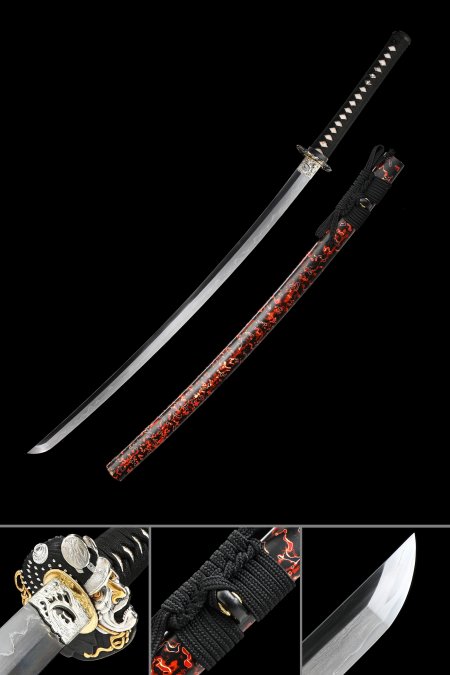
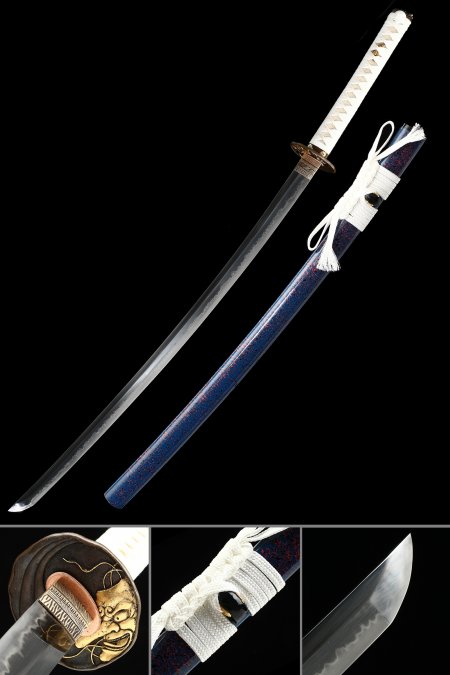
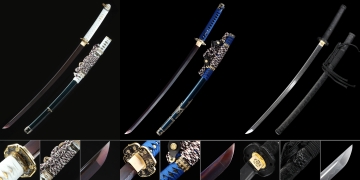
A standard tsuba is typically a flat disc or shaped plate — its design ranges from simple geometric cutouts to refined floral or nature motifs. An oni tsuba takes a three-dimensional sculptural approach, incorporating the face or full figure of the oni demon into the guard's structure. The oni is a deeply rooted figure in Japanese folklore, associated with warding off misfortune and representing primal spiritual energy. When applied to a tsuba, the design typically features raised horns, expressive facial detail, and intentional asymmetry that gives each piece a hand-crafted, one-of-a-kind character. This level of relief work requires more skill and material than flat-plate tsuba production, which is why oni tsuba katana tend to attract collectors interested in the mountings as much as the blade itself.
How does T10 carbon steel compare to Damascus in these katana?
T10 tool steel is a high-carbon mono-steel prized for its consistent grain structure and its responsiveness to clay tempering. When a T10 blade is differentially hardened, the resulting hamon — the temper line between the hardened edge and the softer spine — is crisp and defined, often showing rich activity in the transition zone called the nie and nioi layer. Damascus, or pattern-welded steel, is created by folding and forge-welding two or more steel types together. Its appeal is primarily visual: the etching process after forging reveals flowing grain patterns across the entire blade surface, giving each blade a unique fingerprint. T10 offers a more classical, understated aesthetic where the hamon is the hero; Damascus offers a bolder, more visually complex surface where every inch of the blade tells the story of its making. Both are legitimate choices for a serious collector — the decision comes down to whether you value metallurgical purity or layered visual drama.
Is a real hamon on a collectible katana important?
Yes, and the distinction matters more than many buyers realize. A real hamon is produced through the clay-tempering process — a portion of the blade is coated in clay before quenching, which causes differential cooling and creates a genuine hardened zone along the edge. The hamon that results is an organic, naturally formed boundary unique to that specific blade. A false hamon, by contrast, is simply acid-etched or wire-brushed onto a uniformly hardened blade as a cosmetic detail. Under magnification or raking light, a genuine hamon reveals crystalline activity — a depth and texture that an etched line cannot replicate. For collectors focused on authenticity and long-term display value, a real hamon is one of the clearest indicators that the smith applied traditional Japanese heat-treatment technique rather than industrial shortcuts.
How should I care for a lacquered saya long-term?
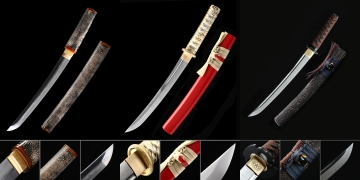
Lacquered saya — whether in deep blue, black, or red dragon finishes — require a few straightforward habits to stay in excellent condition. Avoid prolonged exposure to direct sunlight, which causes lacquer to fade and can introduce hairline cracks in the finish over time. Do not store the katana in the saya for extended periods without periodically removing the blade to air out moisture, as trapped humidity accelerates oxidation on carbon and Damascus steel blades. Wipe the saya exterior with a clean, dry microfiber cloth rather than damp cloths, which can soften lacquer. If the surface develops minor scratches, a thin application of renaissance wax provides a protective layer without altering the finish color. Proper saya care is often underestimated, but the scabbard is a significant part of a katana's display presentation and deserves the same attention as the blade.
Are oni tsuba katana good for gifting to collectors?
Oni tsuba katana are among the more thoughtful options for gifting to someone who appreciates Japanese art history or folklore. The oni motif carries specific cultural meaning — in Japanese tradition, oni figures appear on temple gates and festival masks as guardians against evil spirits, so the symbolism adds a layer of narrative that generic decorative swords lack. For a gift context, the visual drama of the paired mountings — a sculptural demon guard, a lacquered saya in a distinct color, and a wrapped ito handle — makes an immediate impression even before the recipient understands the metallurgical details. These pieces display well on a traditional katana stand or wall mount without requiring any additional accessories, which makes the gifting experience complete as-is.