How does clay tempering affect the appearance of T10 katana blades?

 Updated Mar 2026

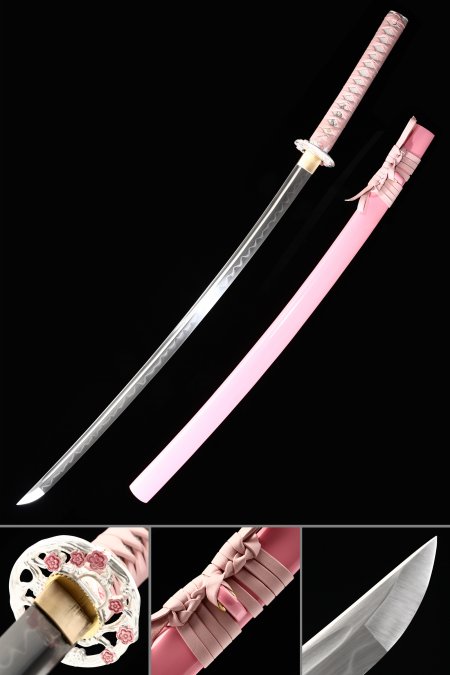
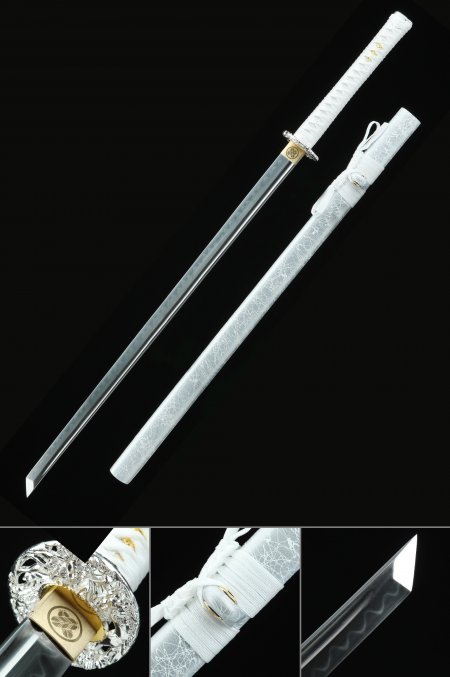
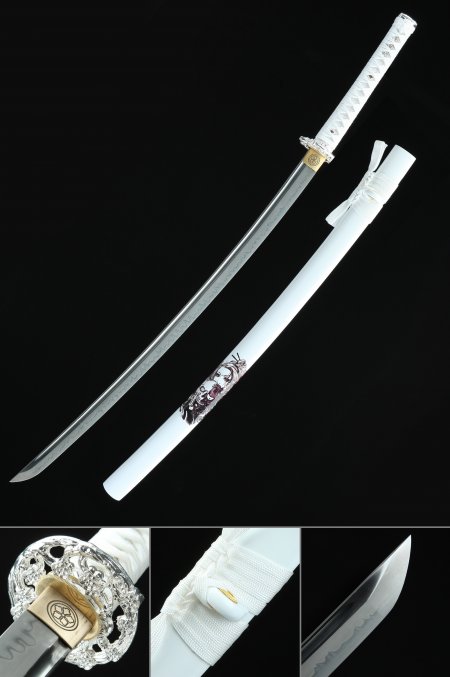
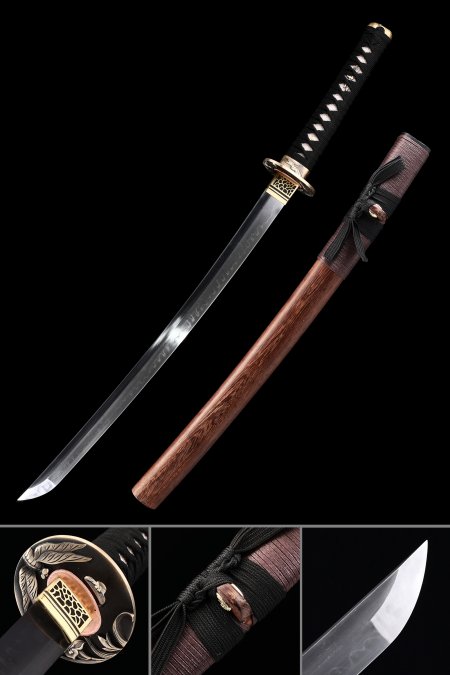
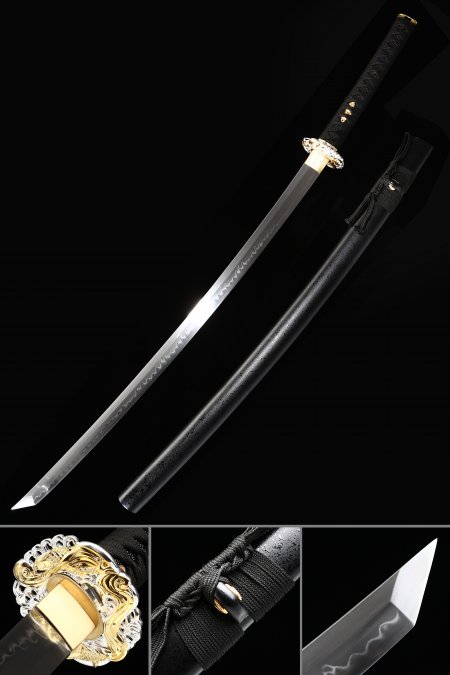
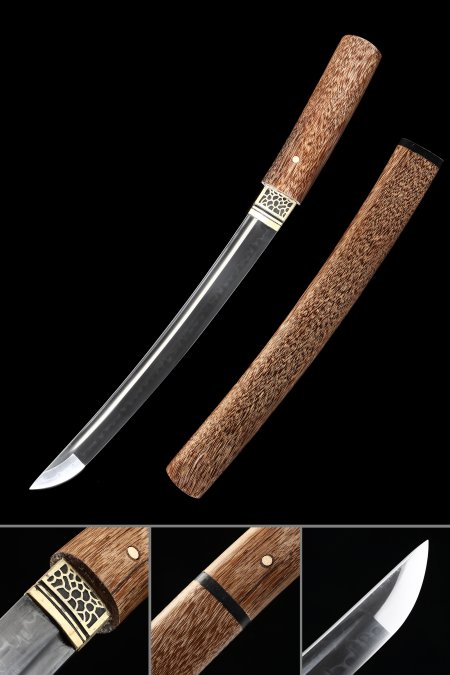
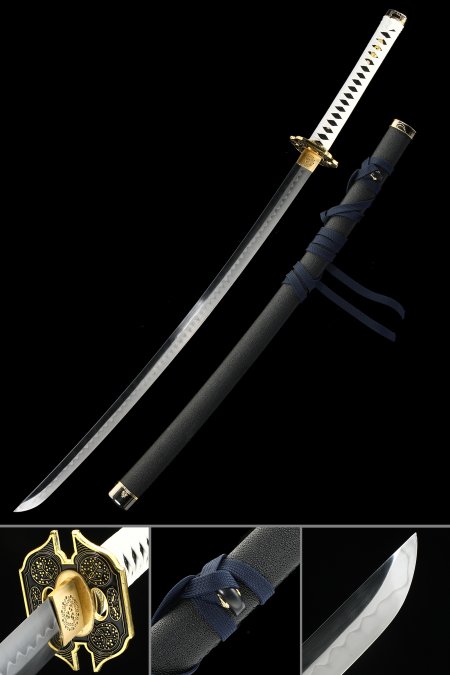
Clay tempering, known in Japanese as tsuchioki, involves applying a clay mixture unevenly along the blade before the final quench. The areas coated with thicker clay cool more slowly, remaining relatively soft and flexible, while the exposed edge cools rapidly and hardens. This differential produces the hamon — the visible temper line that appears as a misty, wave-like pattern along the blade's length. On T10 carbon steel, the fine grain structure of the steel makes the hamon particularly well-defined and visually striking. Because the clay application is done by hand, every hamon is unique, which is why collectors specifically seek clay-tempered pieces over machine-hardened alternatives.
Popular Products

20% OFFjapanese katana
209.00 USD
259.00 USD
20% OFF
259.00 USD
329.00 USD
15% OFFpink katana
189.00 USD
219.00 USD
20% OFFchokuto sword
159.00 USD
199.00 USD
20% OFFblack katana
209.00 USD
259.00 USD
15% OFFwhite katana
209.00 USD
249.00 USD
20% OFFwakizashi sword
219.00 USD
279.00 USD
15% OFFblack katana
199.00 USD
229.00 USD
15% OFFjapanese katana
199.00 USD
239.00 USD
15% OFFshirasaya tanto
149.00 USD
179.00 USD
20% OFFblue katana
209.00 USD
259.00 USD
15% OFFtanto sword
149.00 USD
179.00 USD
20% OFFjapanese katana
209.00 USD
259.00 USD
20% OFF
259.00 USD
329.00 USD
15% OFFpink katana
189.00 USD
219.00 USD
20% OFFchokuto sword
159.00 USD
199.00 USD
20% OFFblack katana
209.00 USD
259.00 USD
15% OFFwhite katana
209.00 USD
249.00 USD
20% OFFwakizashi sword
219.00 USD
279.00 USD
15% OFFblack katana
199.00 USD
229.00 USD
15% OFFjapanese katana
199.00 USD
239.00 USD
15% OFFshirasaya tanto
149.00 USD
179.00 USD
20% OFFblue katana
209.00 USD
259.00 USD
15% OFFtanto sword
149.00 USD
179.00 USD

Explore Our Collections