How does clay tempering affect a T10 steel katana blade?

 Updated Mar 2026

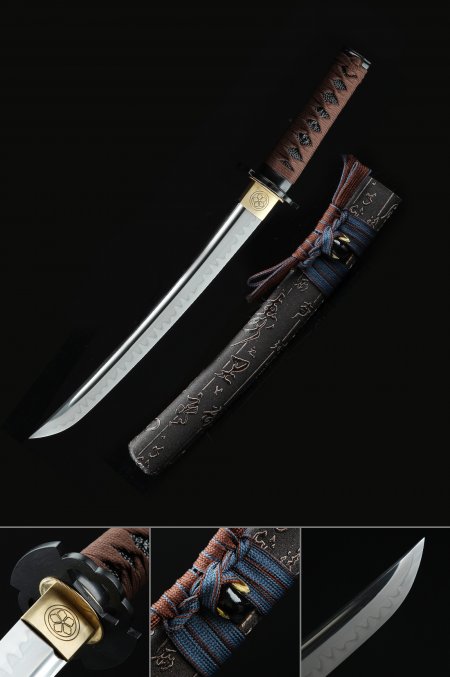
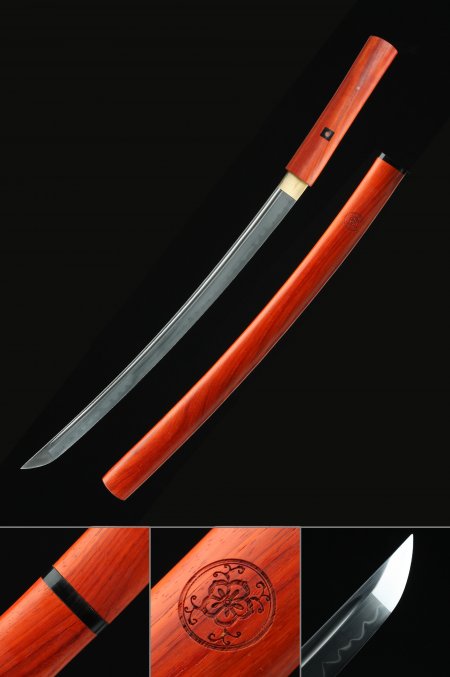
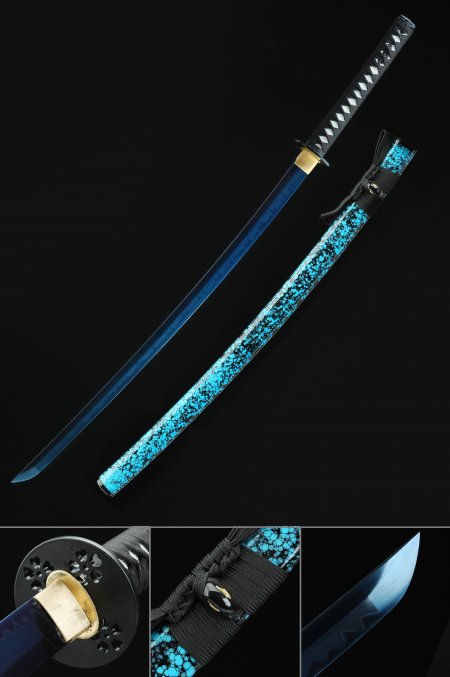
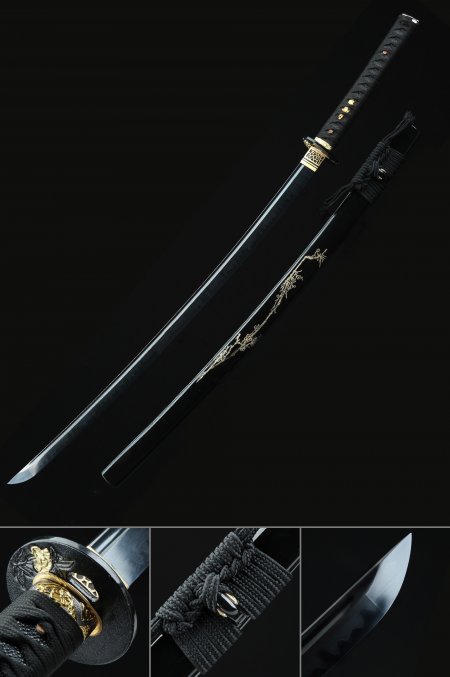
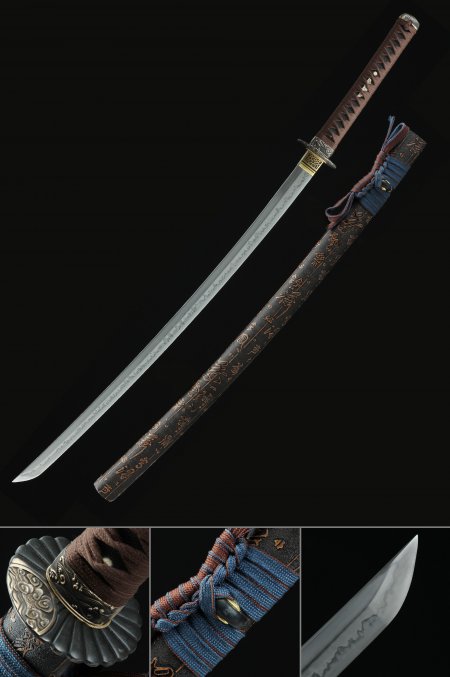
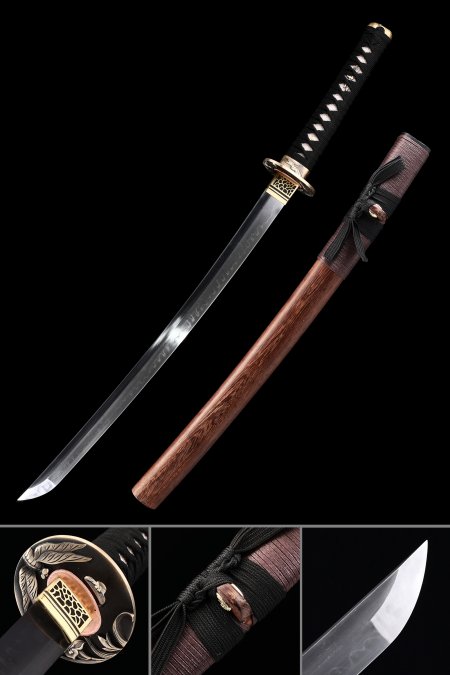
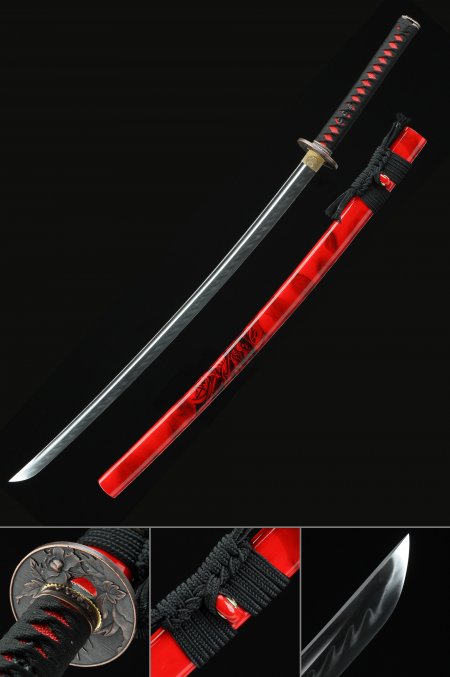
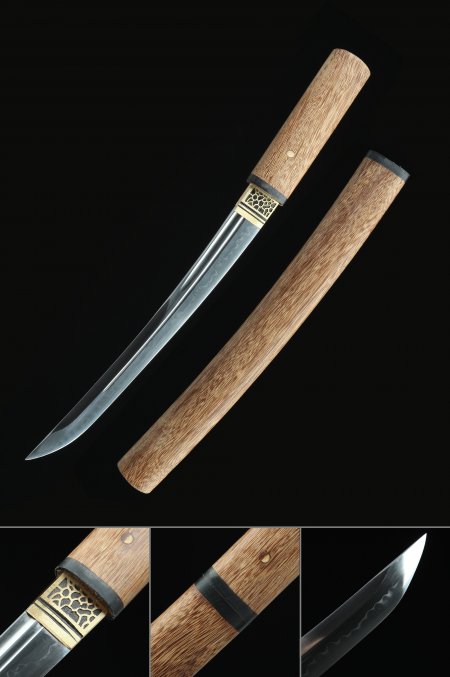
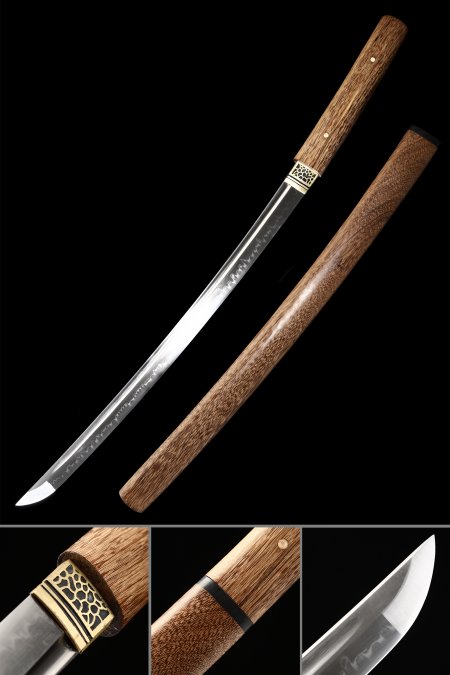
Clay tempering - known as tsuchioki in Japanese smithing - involves applying a clay mixture along the spine of the blade before the final quench. The clay insulates the spine, causing it to cool more slowly than the exposed edge, which results in a harder edge and a tougher, more flexible spine within a single blade. The visible byproduct of this process is the hamon, the temper line that runs along the length of the blade. On a properly clay-tempered T10 blade, this hamon is a genuine metallurgical feature with natural variation and activity, not a surface pattern added after the fact. T10 is a high-carbon tool steel with trace tungsten content, which contributes to wear resistance. For collectors, a clay-tempered T10 blade represents a higher level of craft investment than a through-hardened carbon steel blade at a comparable price point.
Popular Products

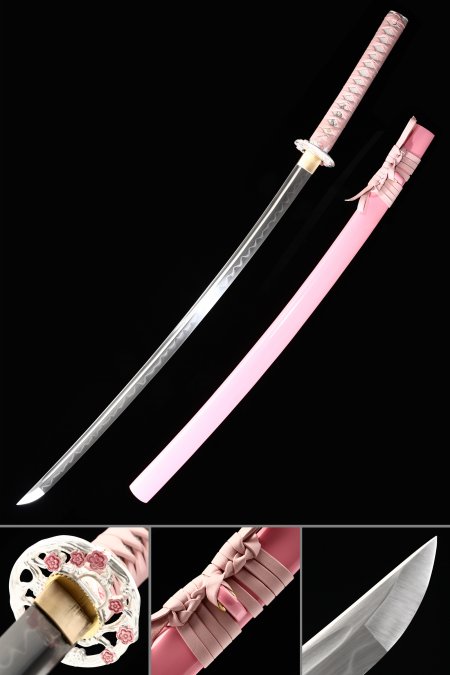
15% OFFpink katana
189.00 USD
219.00 USD
20% OFF
259.00 USD
329.00 USD
15% OFFtanto sword
179.00 USD
209.00 USD
20% OFFshirasaya wakizashi
219.00 USD
269.00 USD
20% OFFblue katana
209.00 USD
259.00 USD
20% OFFblack katana
209.00 USD
259.00 USD
20% OFFfull tang katana
319.00 USD
399.00 USD
20% OFFwakizashi sword
219.00 USD
279.00 USD
15% OFFred katana
199.00 USD
229.00 USD
15% OFFshirasaya tanto
149.00 USD
179.00 USD
20% OFFshirasaya wakizashi
179.00 USD
219.00 USD
15% OFFjapanese katana
199.00 USD
239.00 USD
15% OFFpink katana
189.00 USD
219.00 USD
20% OFF
259.00 USD
329.00 USD
15% OFFtanto sword
179.00 USD
209.00 USD
20% OFFshirasaya wakizashi
219.00 USD
269.00 USD
20% OFFblue katana
209.00 USD
259.00 USD
20% OFFblack katana
209.00 USD
259.00 USD
20% OFFfull tang katana
319.00 USD
399.00 USD
20% OFFwakizashi sword
219.00 USD
279.00 USD
15% OFFred katana
199.00 USD
229.00 USD
15% OFFshirasaya tanto
149.00 USD
179.00 USD
20% OFFshirasaya wakizashi
179.00 USD
219.00 USD
15% OFFjapanese katana
199.00 USD
239.00 USD

Explore Our Collections