How does T10 steel compare to pattern-welded in a wakizashi?
Updated Mar 2026
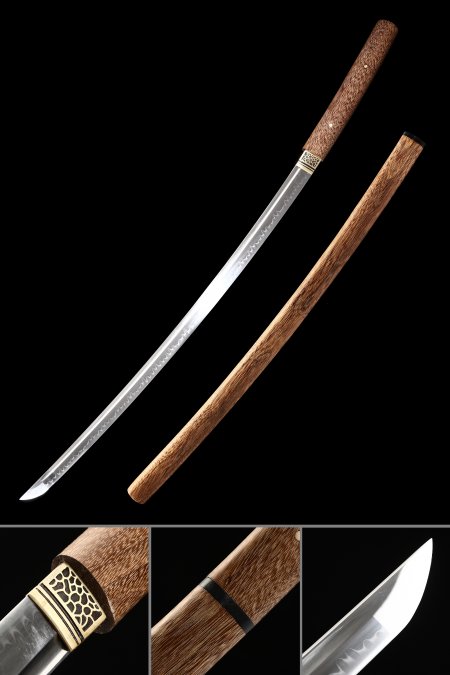
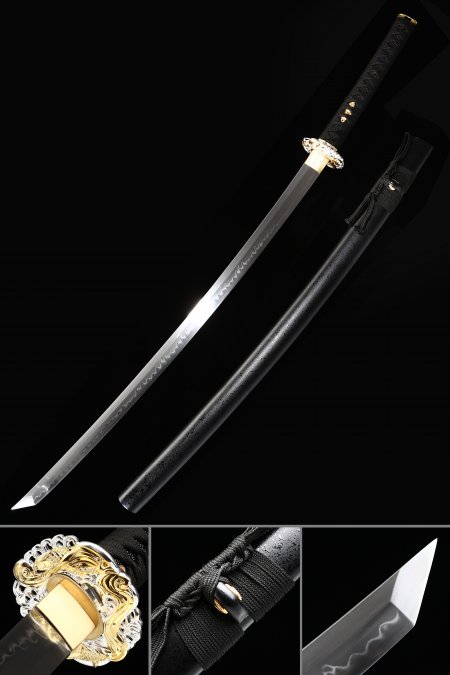
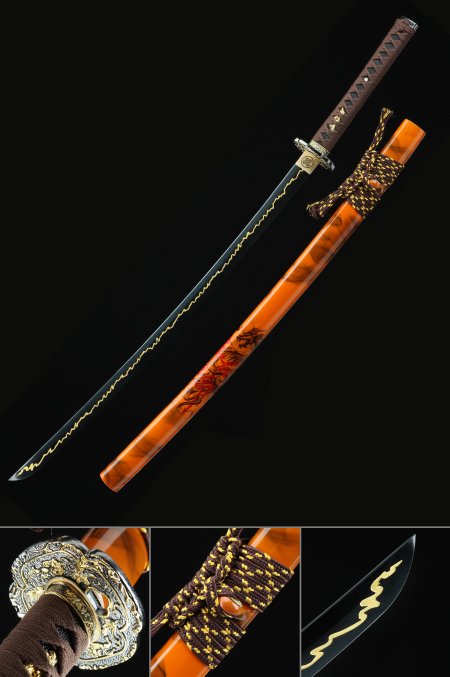
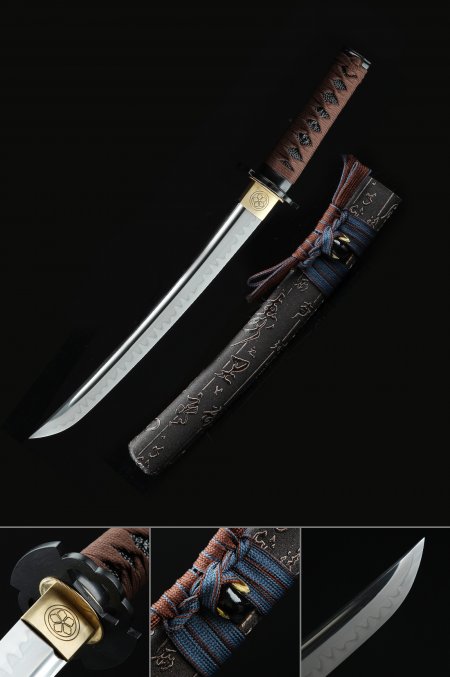
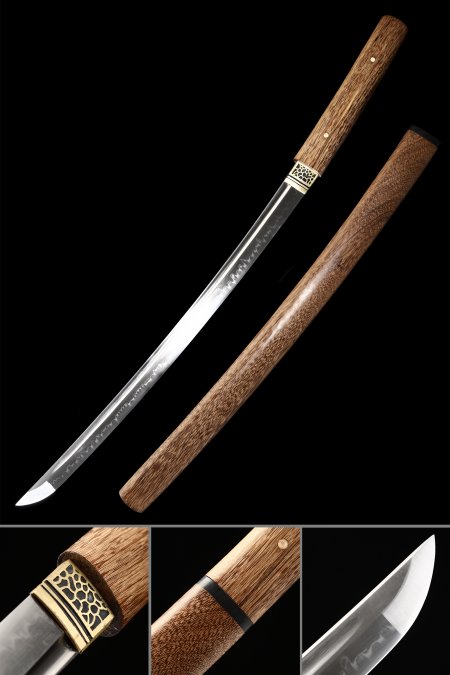
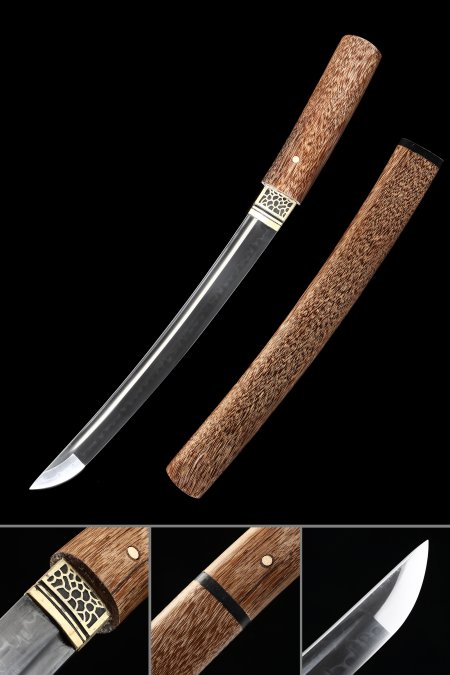
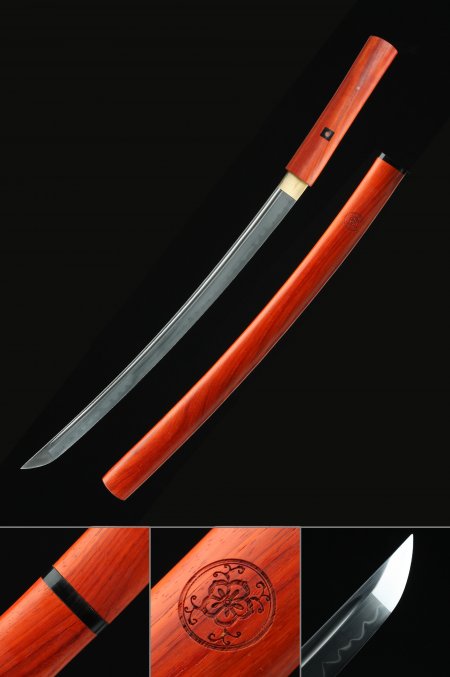
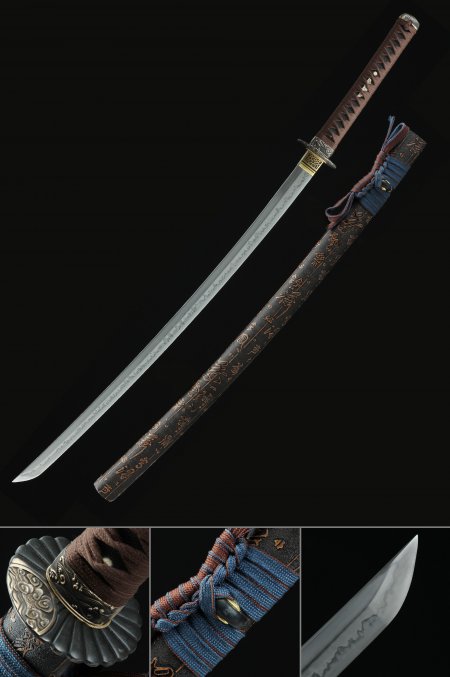
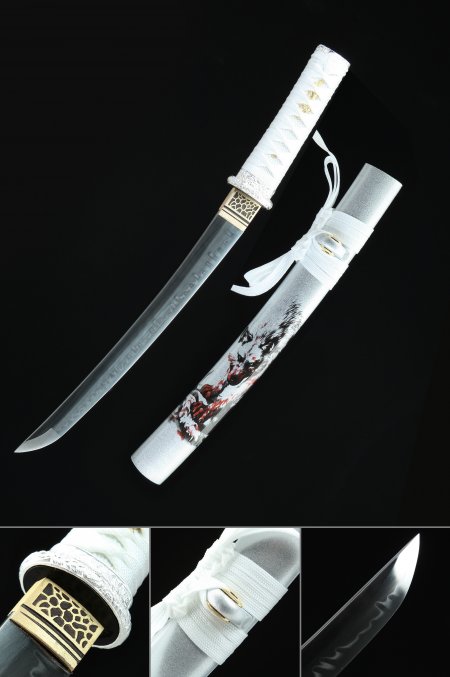
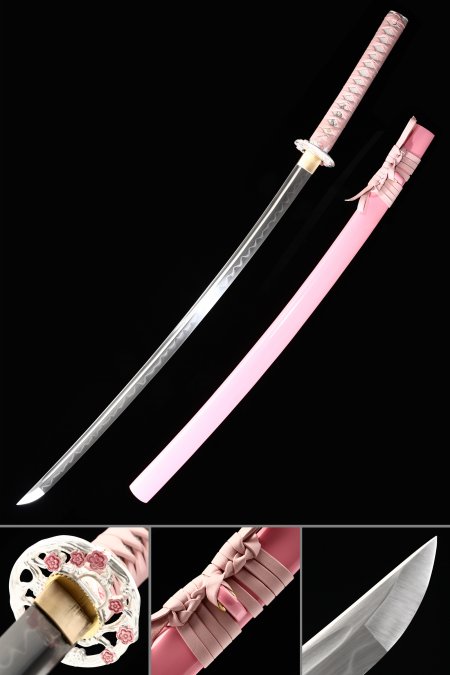
T10 is a high-carbon tool steel with a carbon content around 1.0%, which makes it well-suited for differential hardening. When a blade is clay-coated before quenching, the covered spine cools slowly and stays relatively soft, while the exposed edge hardens more rapidly. The boundary between these two zones becomes the hamon — visible as a misty or crystalline line running along the length of the blade. T10 is prized for producing a sharp, well-defined hamon with good contrast. Pattern-welded steel, by contrast, is made by folding and forge-welding multiple steel layers, then etching the finished blade to reveal the layered surface patterns. Each pattern-welded wakizashi is visually unique due to the unrepeatable nature of the fold patterns. In terms of collecting value, T10 appeals to those focused on hamon quality and traditional heat-treatment craft, while pattern-welded pieces attract collectors drawn to surface artistry and the visual complexity of the steel itself.