What makes a hamon visible on a collectible wakizashi?
Updated Mar 2026
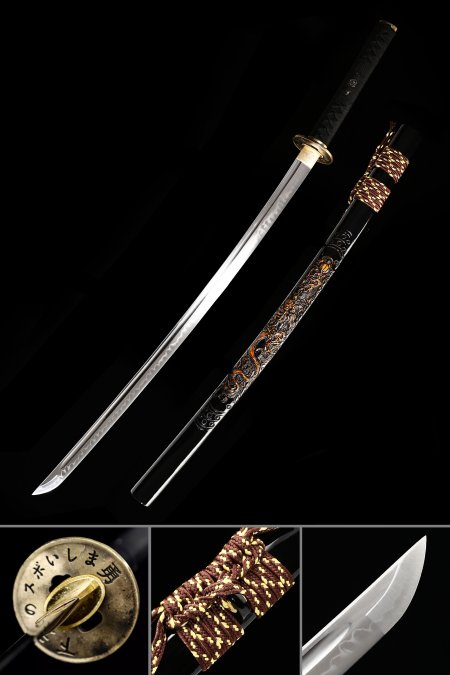
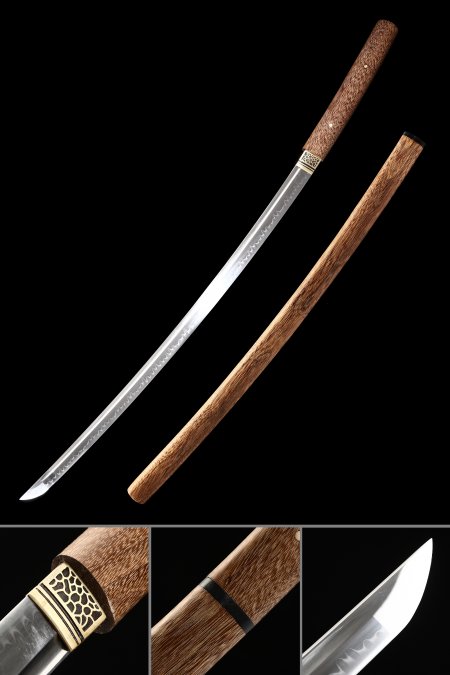
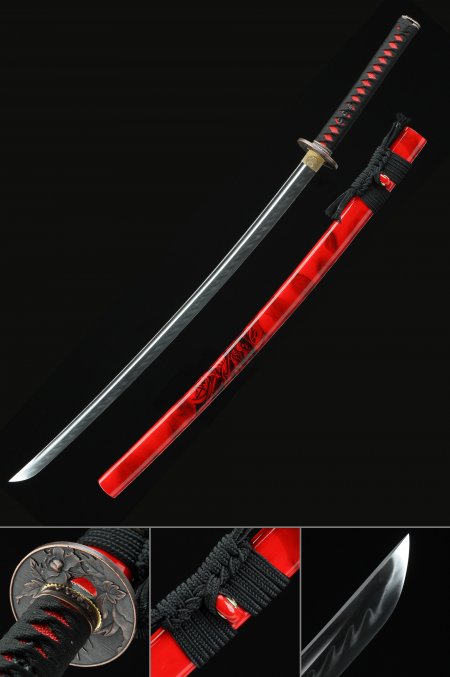
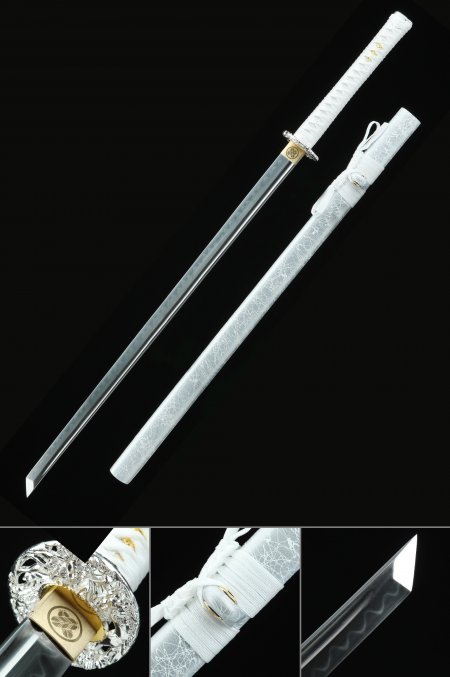
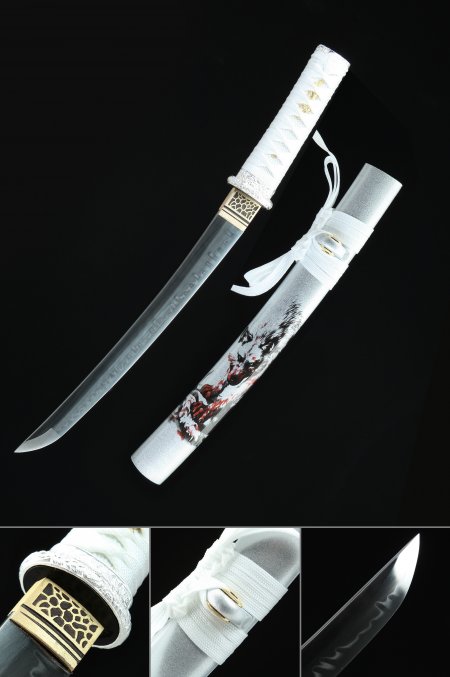
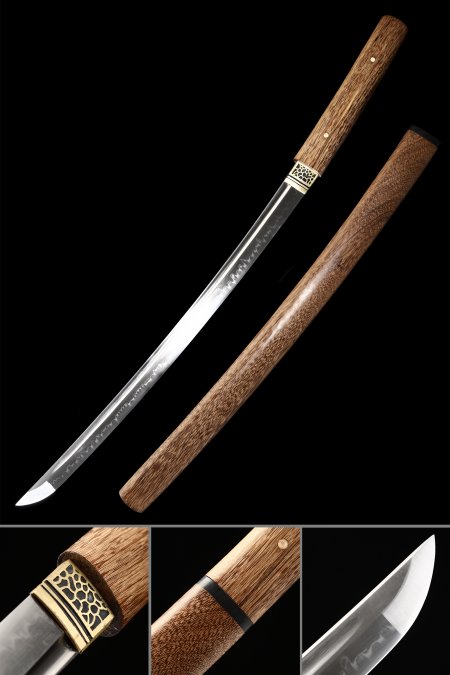
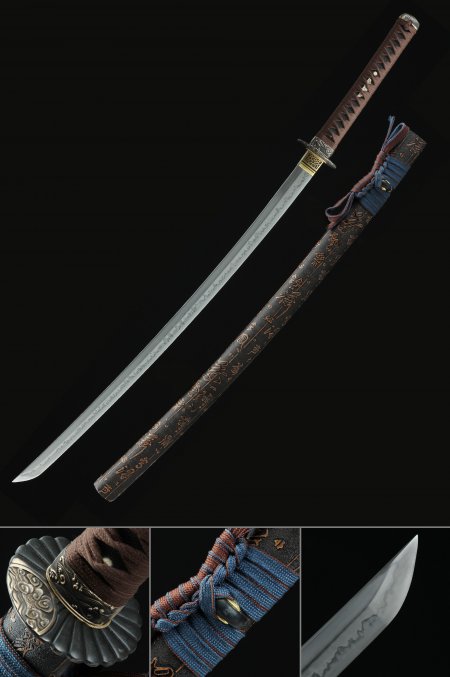
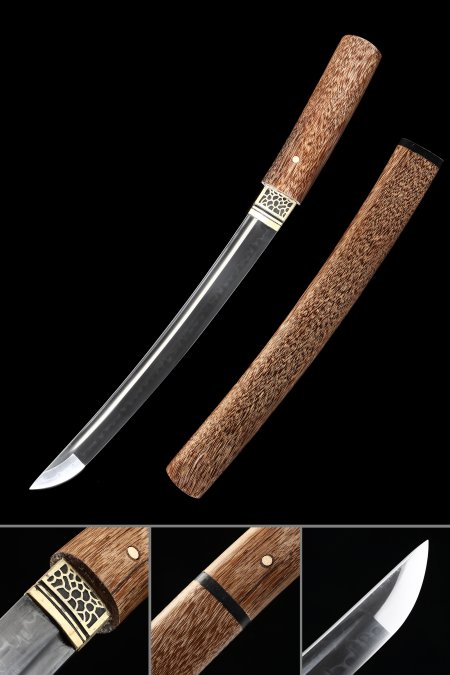
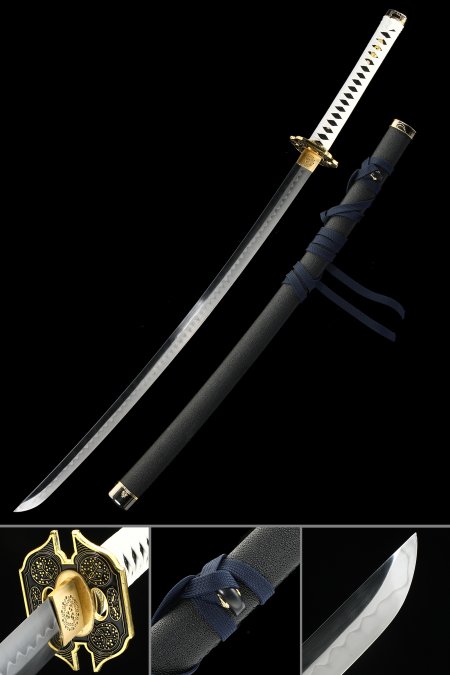
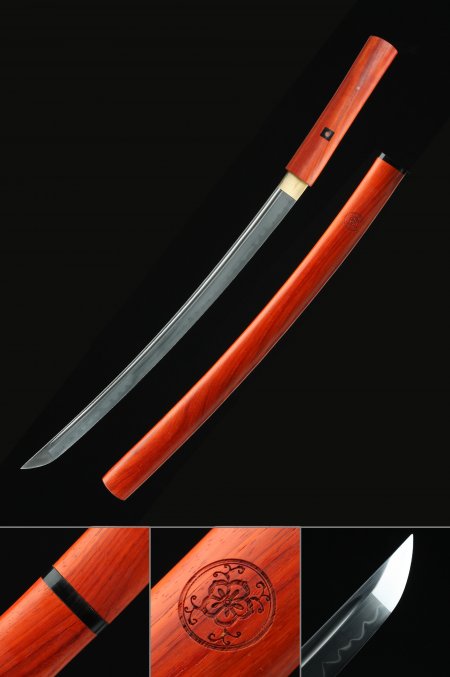
A genuine hamon is a temper line that forms when the blade is differentially heat-treated - clay is applied along the spine before quenching, causing the edge area to cool faster and develop a harder crystalline structure called martensite. The boundary between this harder edge zone and the softer spine is what appears as the hamon. On T10 and high-carbon steel blades, this line becomes visible as a misty, wave-like pattern running along the lower portion of the blade. The exact shape - straight (suguha), wavy (notare), or irregular (gunome) - depends on how the clay is applied. On display-grade pieces, the hamon is a primary authentication marker that distinguishes genuinely heat-treated blades from purely decorative alternatives.