What is the significance of hamon on a collectible wakizashi blade?
Updated Mar 2026
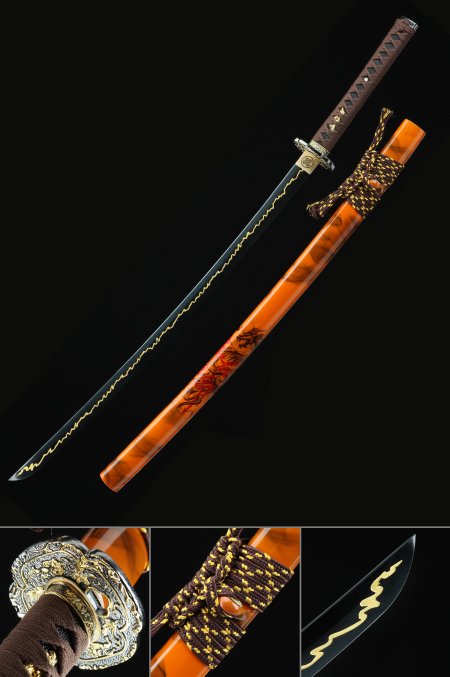
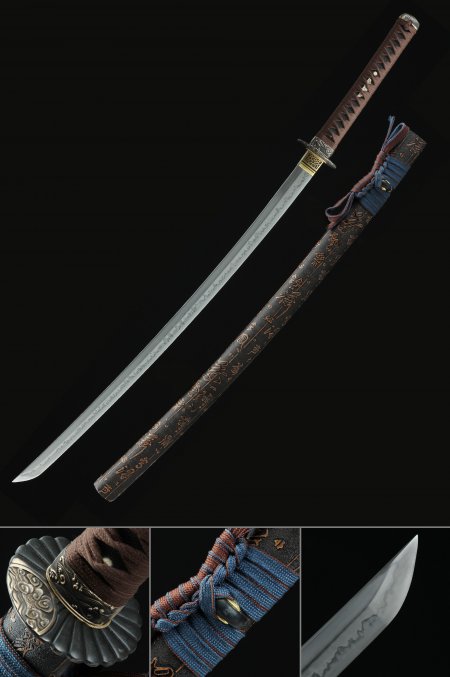
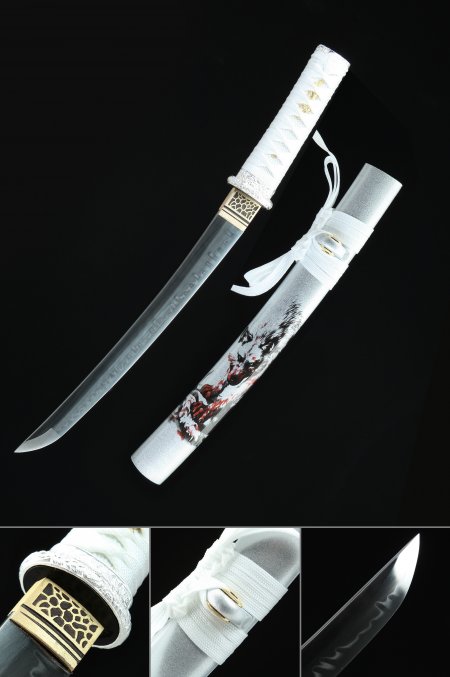
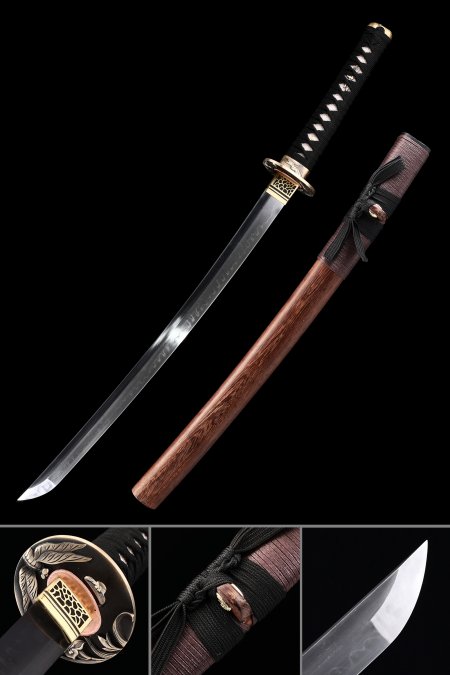
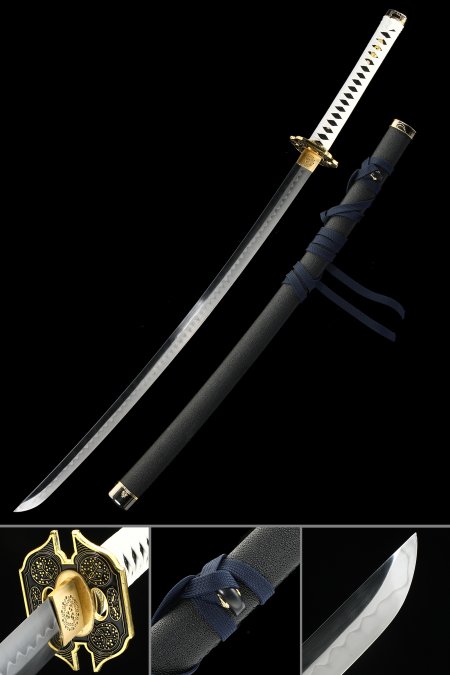
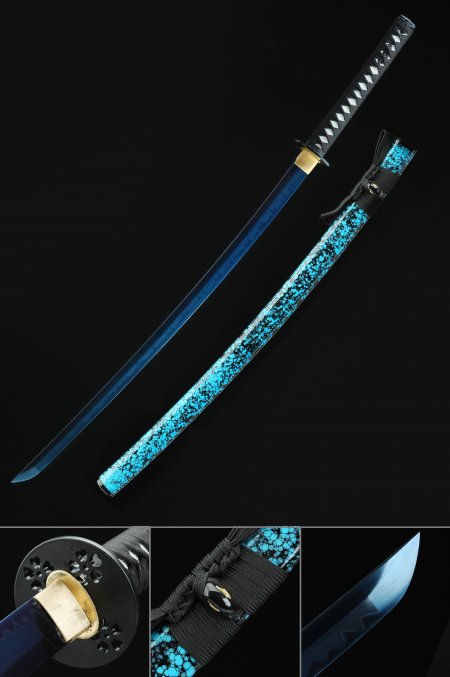
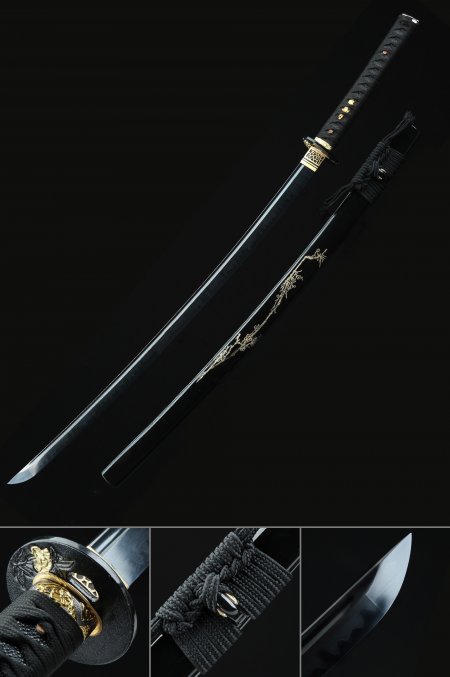
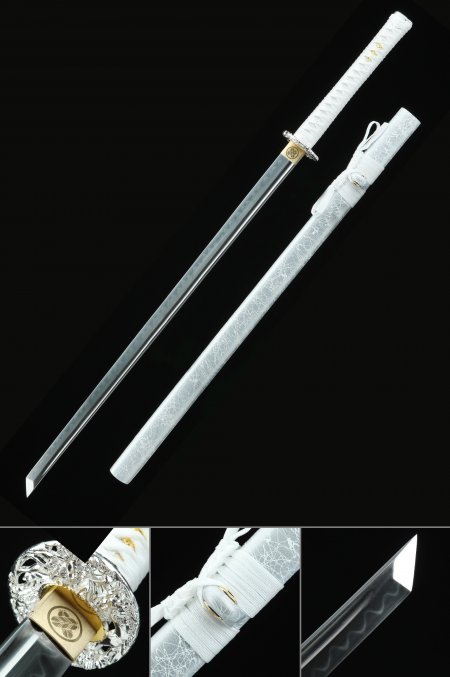
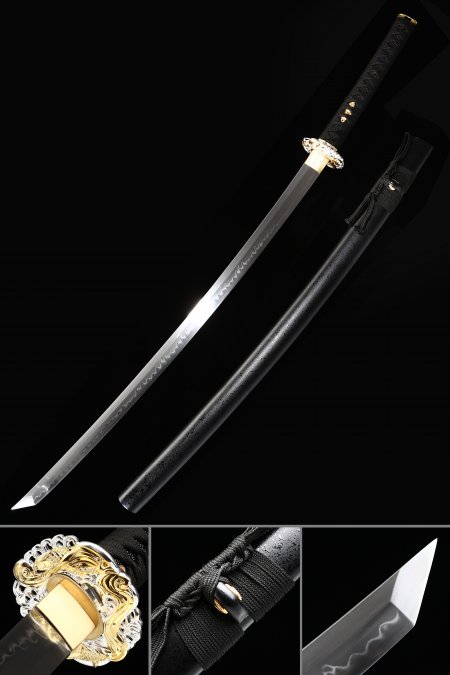
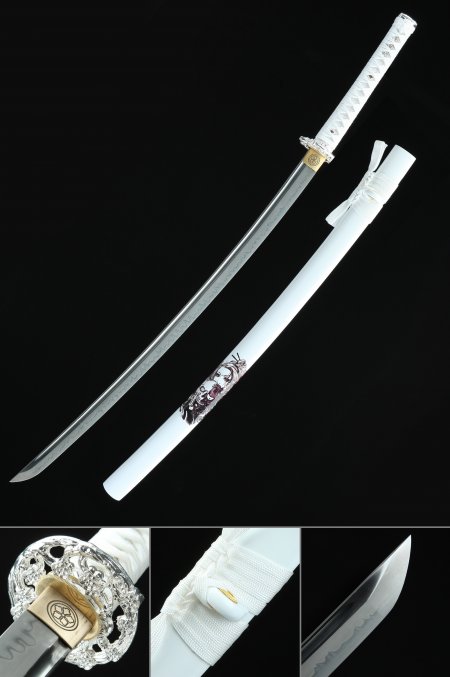
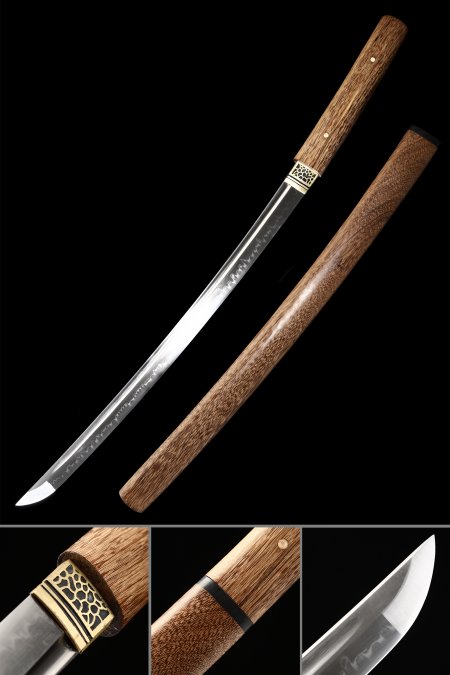
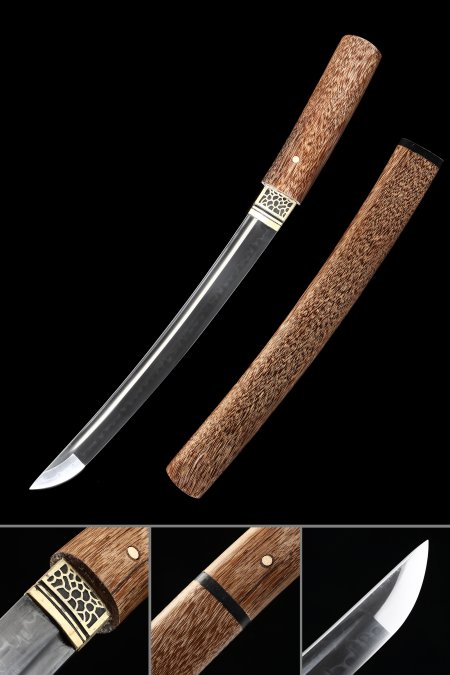
Hamon refers to the visible temper line that forms along a blade's edge when it is clay-tempered during forging - a process where the spine is coated with clay before quenching, causing the edge to harden faster than the body. The resulting pattern, which can appear as a straight line (suguha), a flowing wave (notare), or a complex clove pattern (choji), is a direct visual record of the smith's technical process. On collectible wakizashi, a genuine hamon is one of the strongest indicators of authentic differential tempering using high-carbon steel such as T10. Blades marked with an etched or polished faux-hamon will show a less organic, more uniform line. Collectors who prioritize metallurgical authenticity specifically seek pieces where the hamon is a natural result of the clay tempering process.