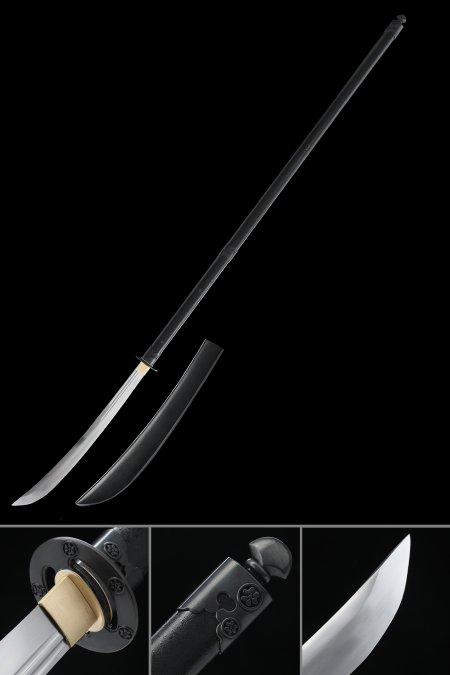
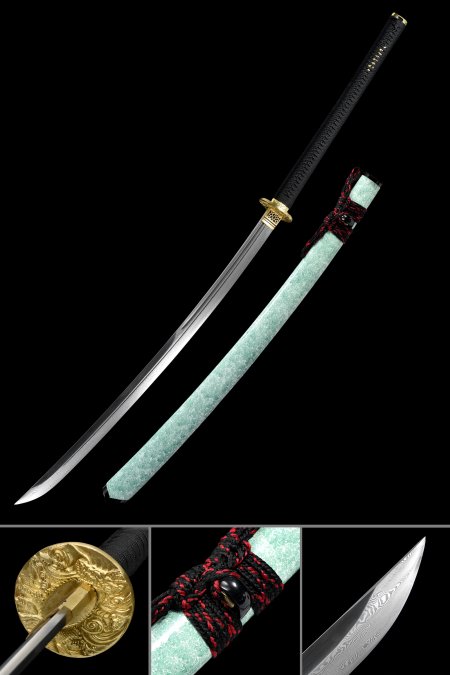
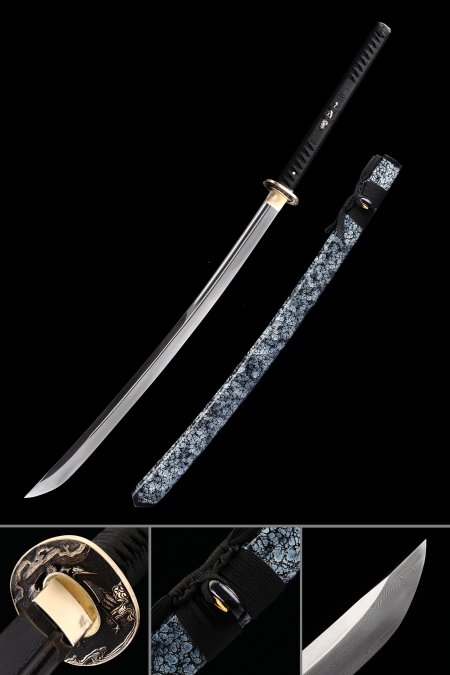
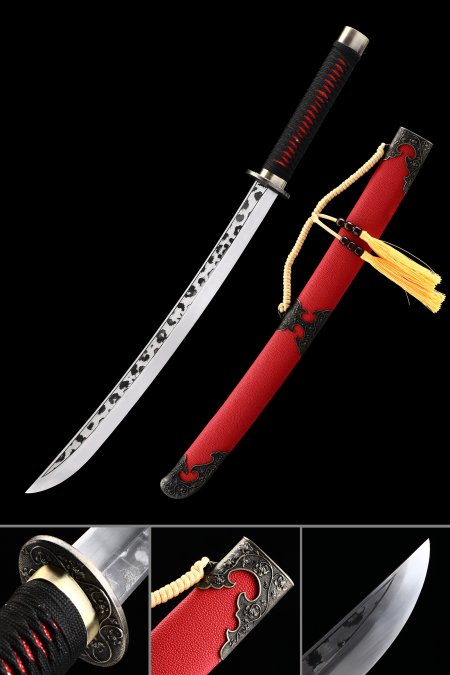
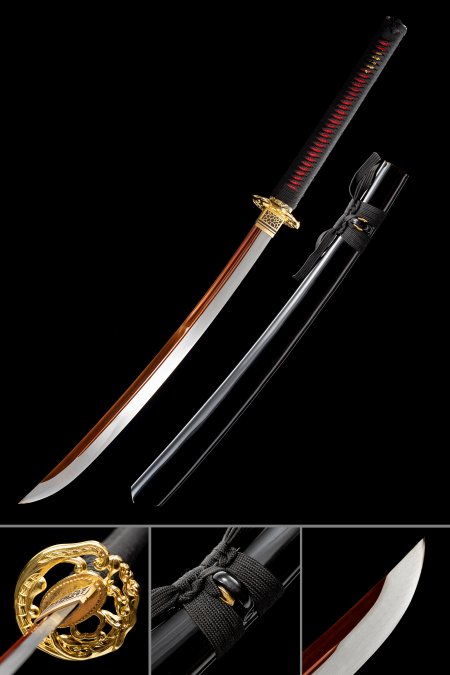
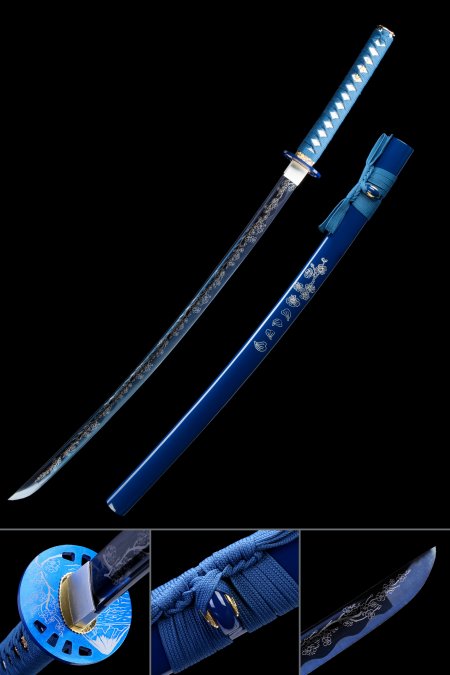
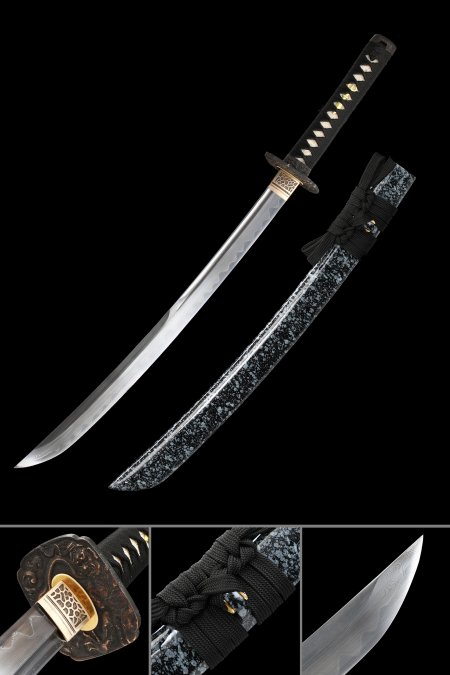
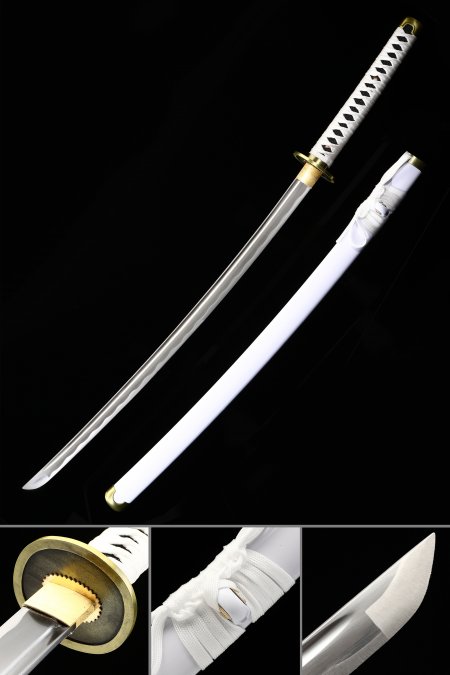
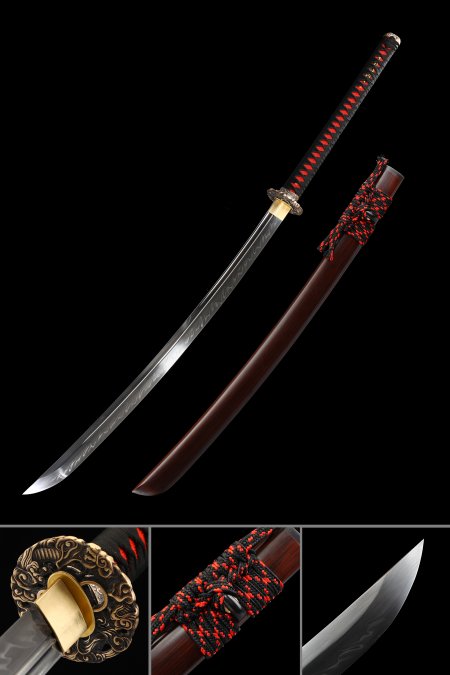
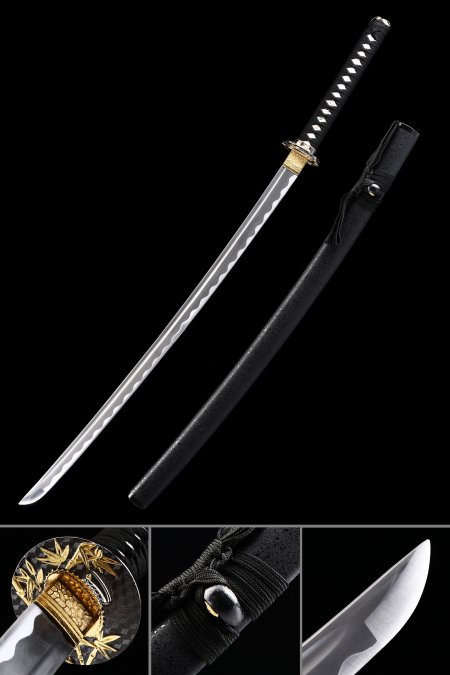
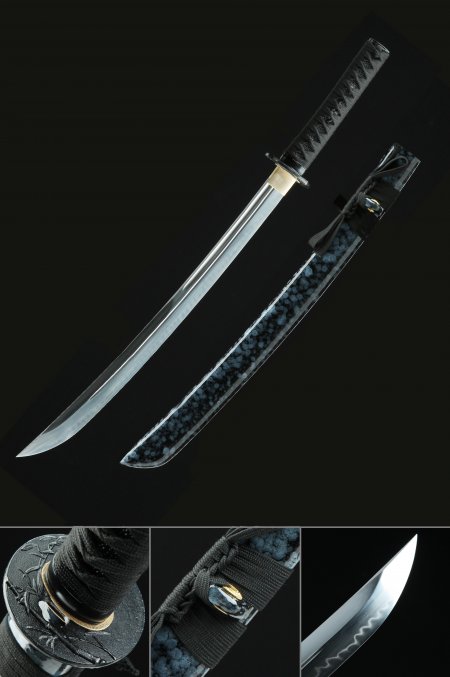
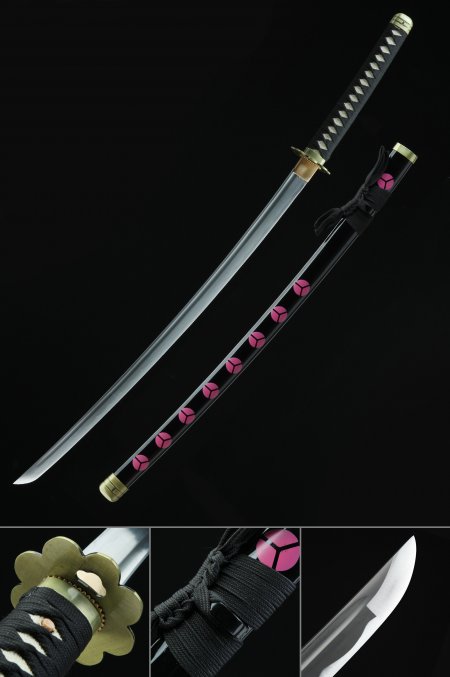
While both are traditional Japanese bladed collectibles, the naginata is a polearm - its curved blade is mounted on a long hardwood shaft, typically bringing the total length to around 118 cm or more. This extended form was designed for reach and sweeping technique, giving it a dramatically different silhouette compared to the hand-held katana. For collectors, this distinction matters because the naginata occupies its own display space, demands wall mounts or floor stands sized for its length, and represents a separate lineage of Japanese smithing. The blade geometry - often wider at the base and tapering toward the tip - also differs from the katana's more uniform profile, making it a visually distinct centerpiece in any Japanese blade collection.