What is a clay-tempered hamon, and why do collectors value it?
Updated Mar 2026
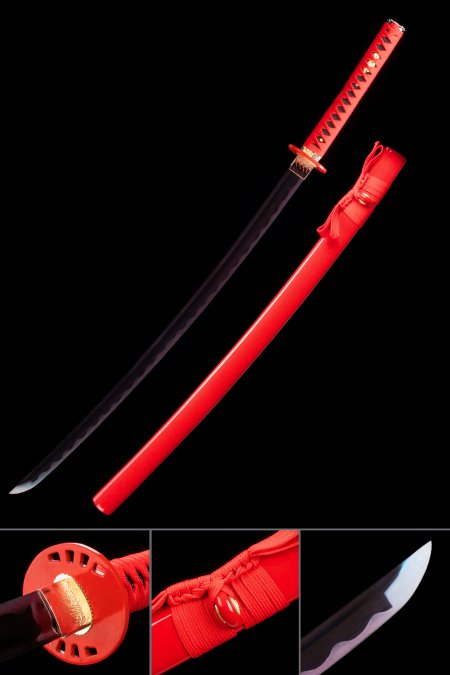
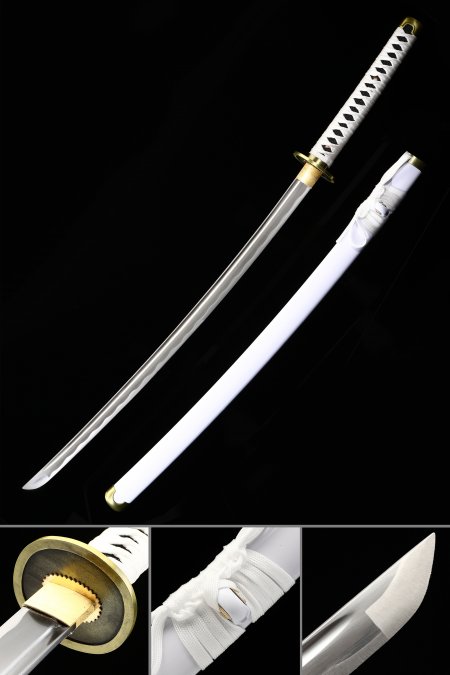
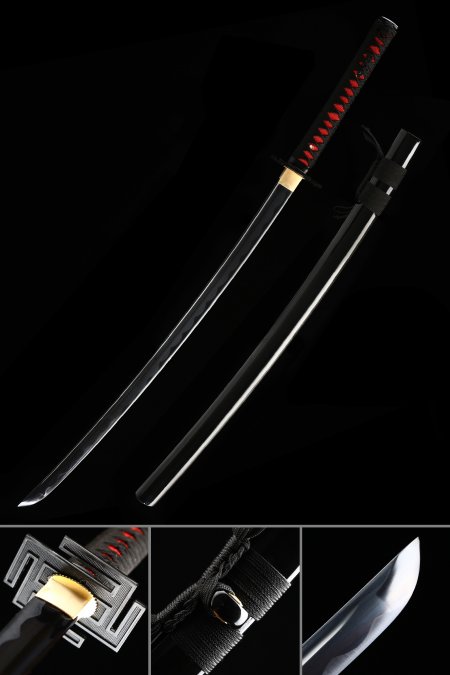
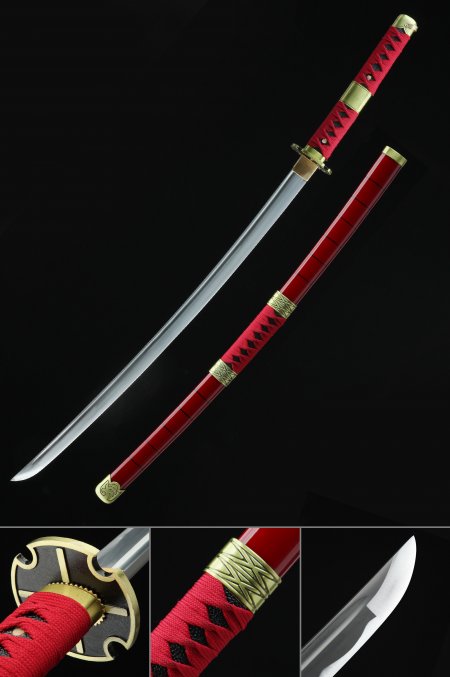
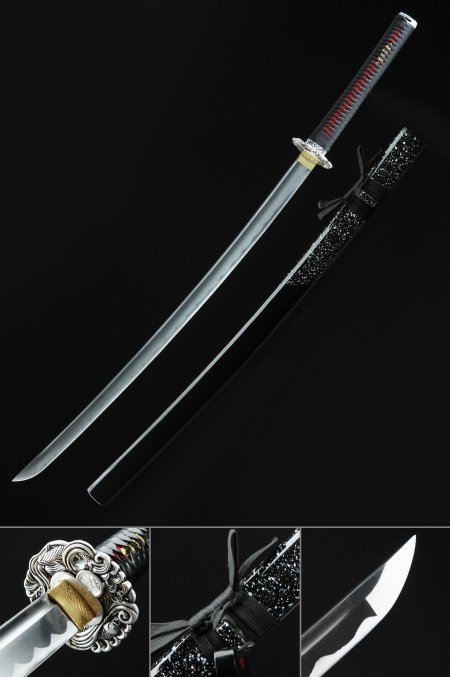
Clay tempering is a traditional heat-treatment technique in which the smith applies a clay mixture unevenly along the blade before the quenching process. The thicker clay coating on the spine cools more slowly, leaving it softer and resilient, while the thinly coated edge cools rapidly and hardens significantly. The boundary between these two zones becomes visible as the hamon — a wavy, cloudy, or crystalline line running along the edge. Every hamon is unique, shaped by the specific clay pattern, the steel's character, and the smith's quench. For collectors, this means no two blades are identical. The hamon is read like a fingerprint, and its activity, clarity, and flow are central criteria when evaluating a blade's craftsmanship and authenticity.