What is a real hamon and why does it matter on T10 steel?
Updated Mar 2026
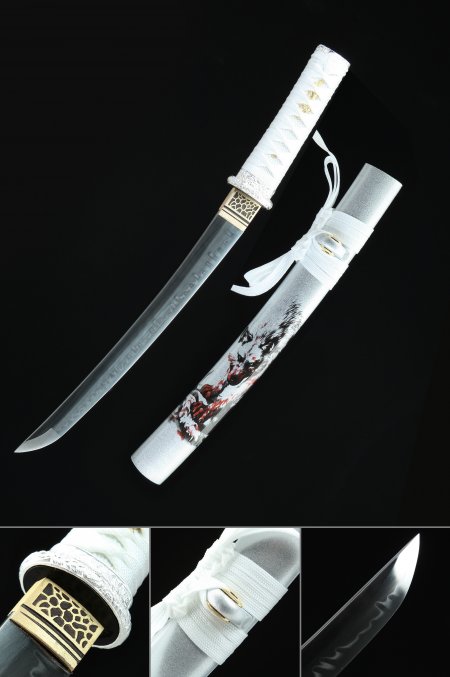
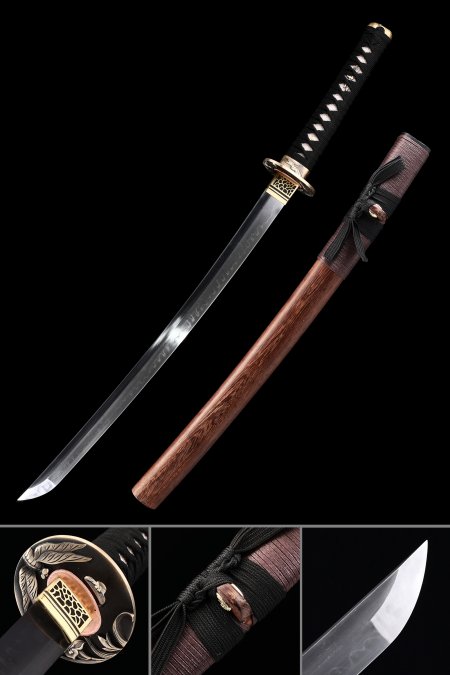
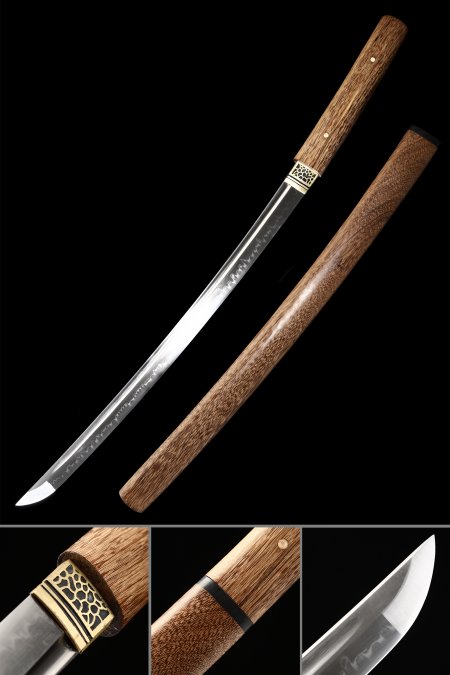
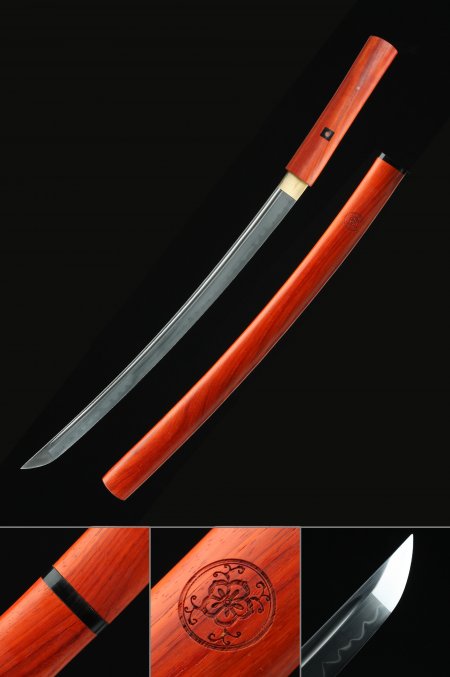
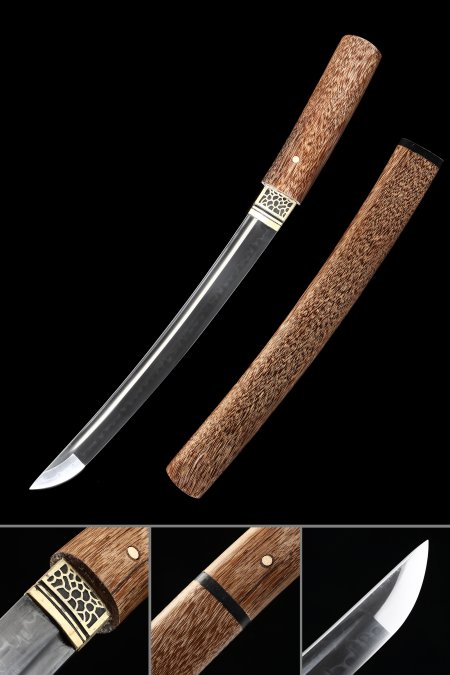
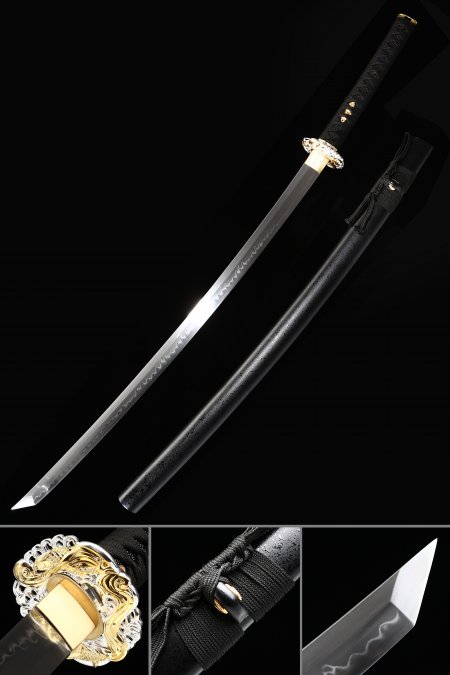
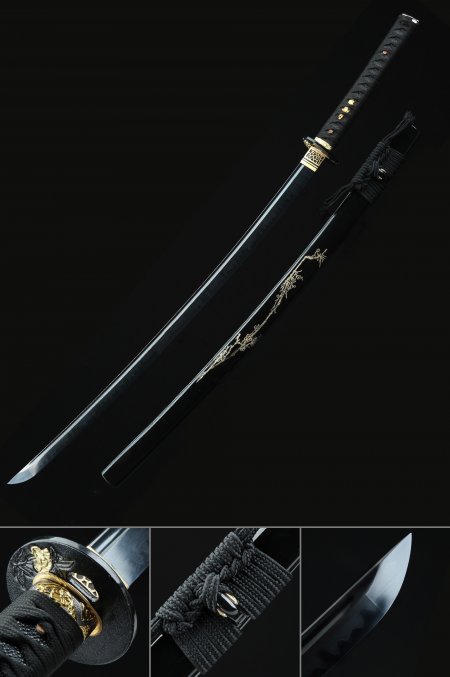
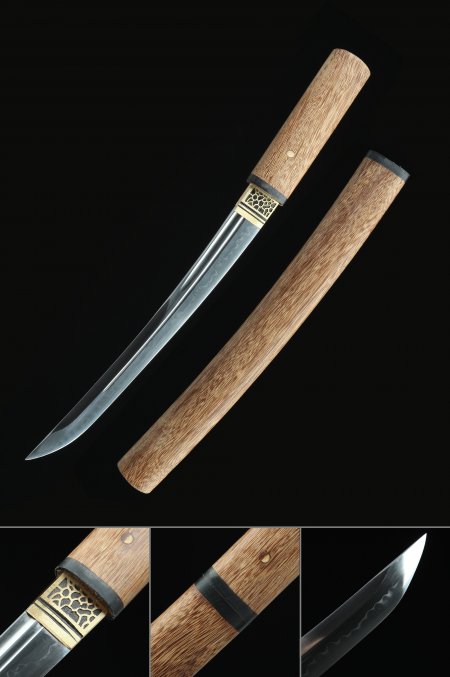
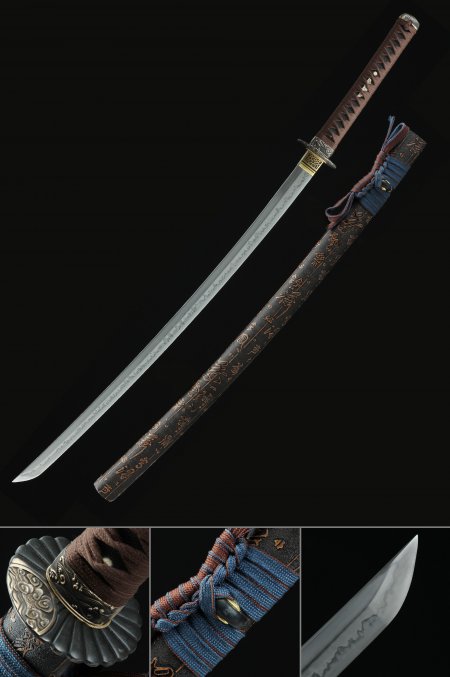
A hamon is the visible temper line that forms along a blade's edge when clay tempering is used during the hardening process. The smith applies a thick layer of clay to the spine and a thinner or absent layer near the edge, then heats and quenches the blade. The differential cooling rate creates a harder edge and a tougher spine - and the boundary between those two zones appears as a misty, undulating line called the hamon. On T10 high-carbon tool steel, this process works especially well because of the steel's fine grain structure and responsiveness to thermal treatment. Every hamon is unique; no two blades produce the same pattern. A genuine clay-tempered hamon cannot be replicated by acid etching or grinding, which is why collectors specifically seek it out as a mark of authentic hand-forging craft.