Is Damascus steel in a katana purely decorative or does it perform differently?
Updated Mar 2026
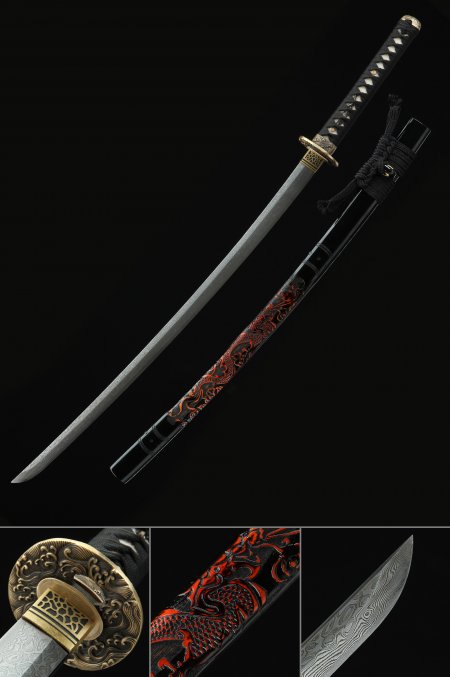
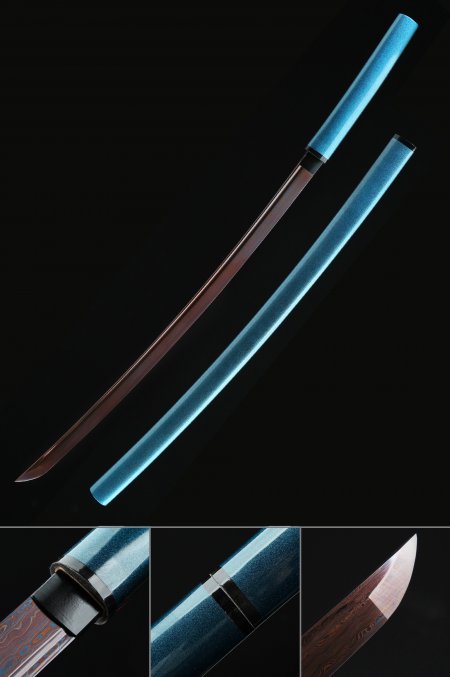
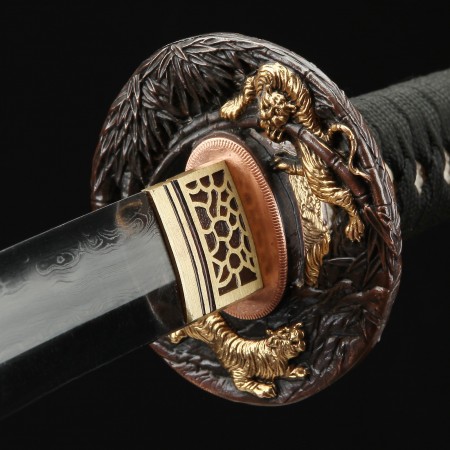
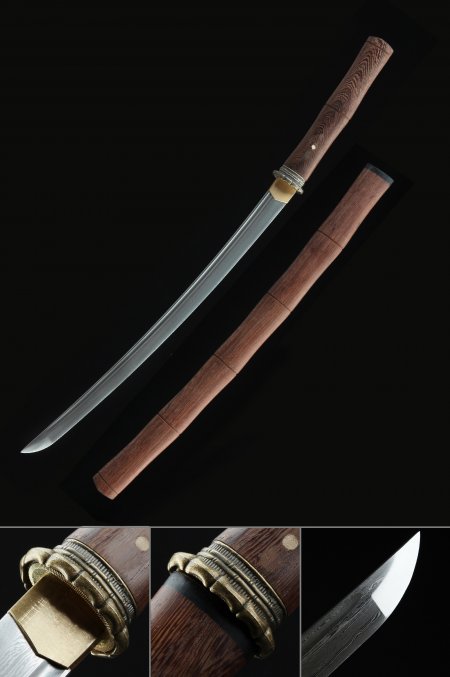
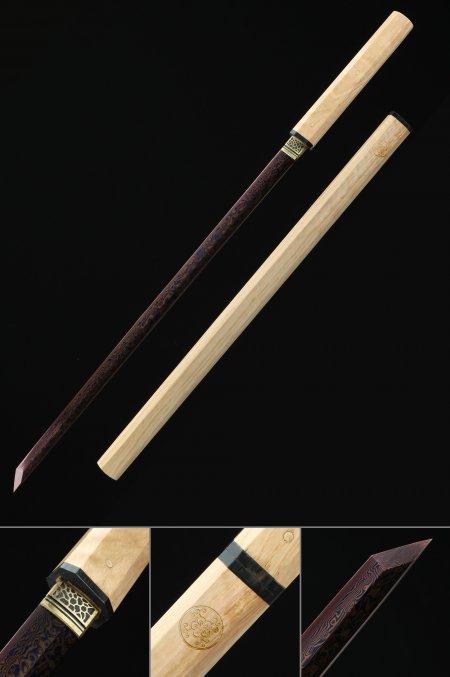
Folded Damascus steel in a katana is genuinely structural, not merely cosmetic - but its primary appeal in a collectible context is visual. The pattern visible on the blade surface results from repeated forge-folding of steel billets, which orients the grain in alternating layers. This process was historically associated with refining uneven iron ore into more consistent material. In modern hand-forged katana, Damascus is typically produced by folding two or more steel types together, creating the characteristic wavy or flowing surface pattern that becomes visible after acid etching. The layered structure can contribute to a degree of flexibility and grain refinement, though modern monosteel construction with controlled alloys often achieves comparable or superior consistency. For display collectors, Damascus remains one of the most visually arresting blade surfaces available, with no two patterns being identical.