How does Japanese Damascus katana construction differ from traditional Japanese tamahagane?
Updated Feb 2026
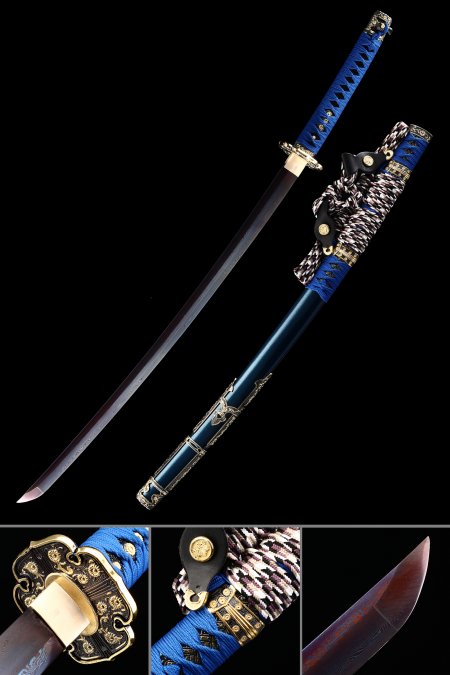
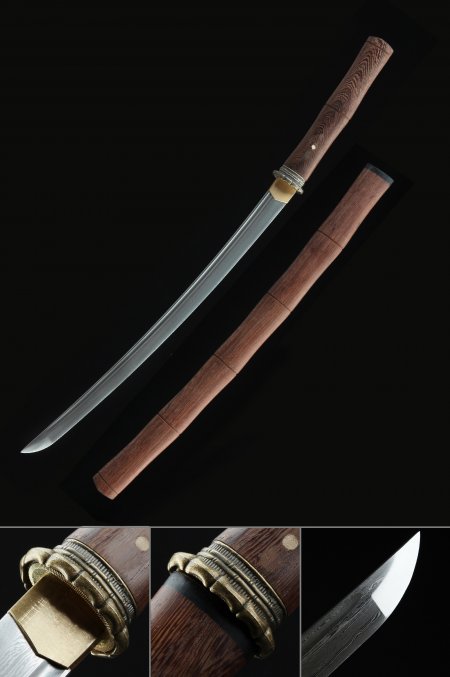
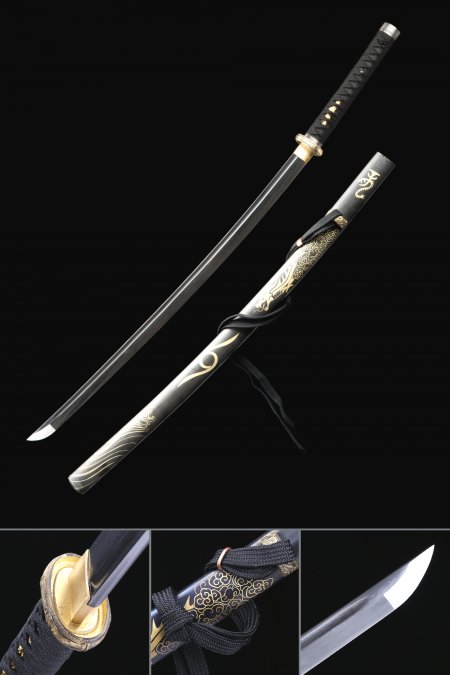
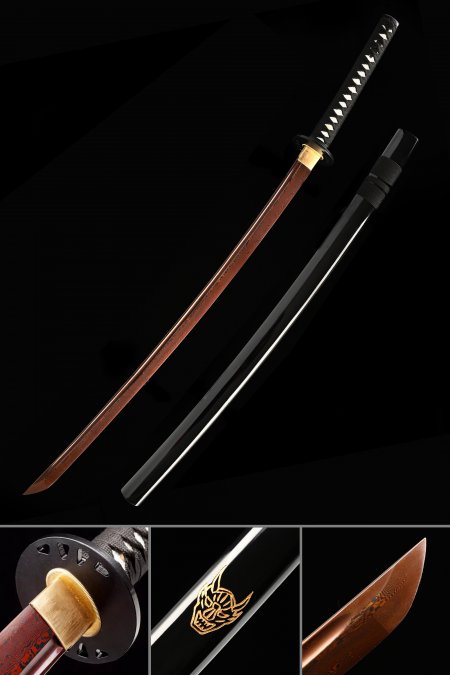
Modern Japanese Damascus katana construction and traditional Japanese tamahagane smelting are related in concept but different in implementation. Traditional Japanese tamahagane - the steel produced from iron sand in the traditional tatara furnace - contains varying carbon content throughout the bloom that creates natural layering through the folding and forge-welding process of traditional kaji bladesmithing. Modern Damascus katana use commercially produced high and low-carbon steel billets that are forge-welded together deliberately to create the layered pattern. The concept of combining different carbon steels through forge-welding and folding is shared; the starting materials and smelting process are different. Modern Damascus construction allows more precise control over the pattern type and layer count than traditional tamahagane, while traditional tamahagane pieces have historical and cultural significance that modern Damascus cannot replicate.