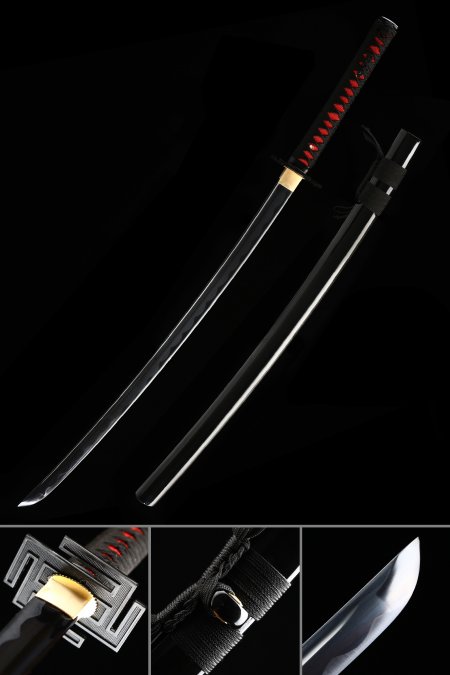
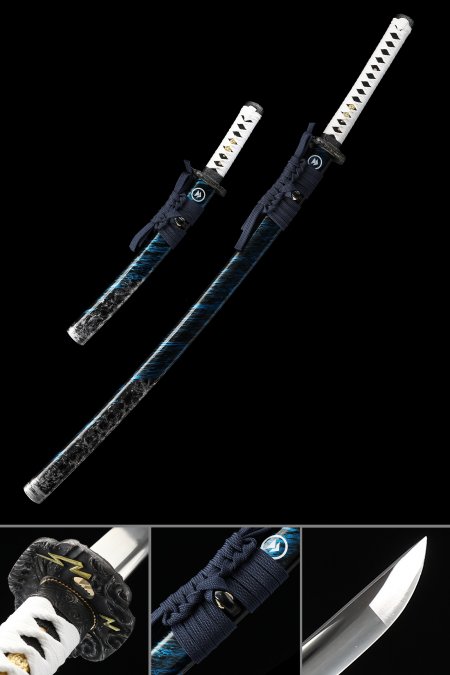
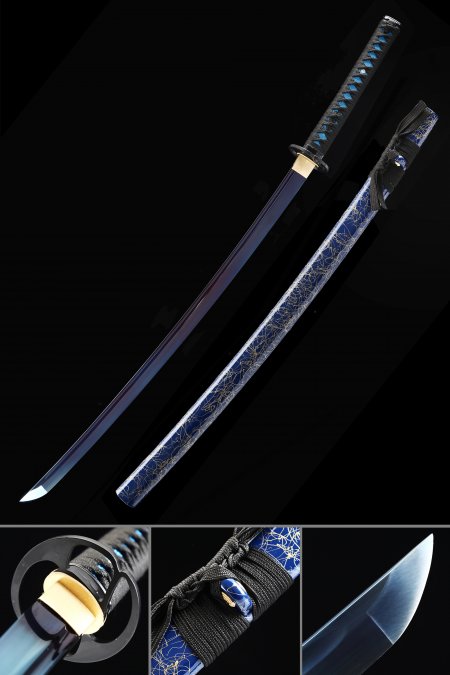
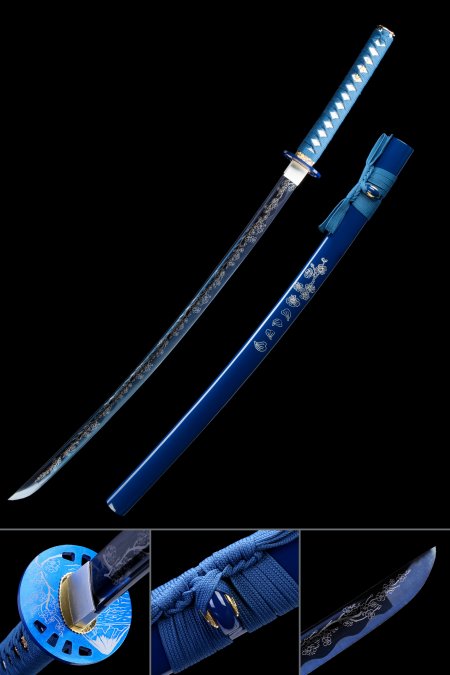
Is a full-tang construction important for a display katana?
Updated Mar 2026
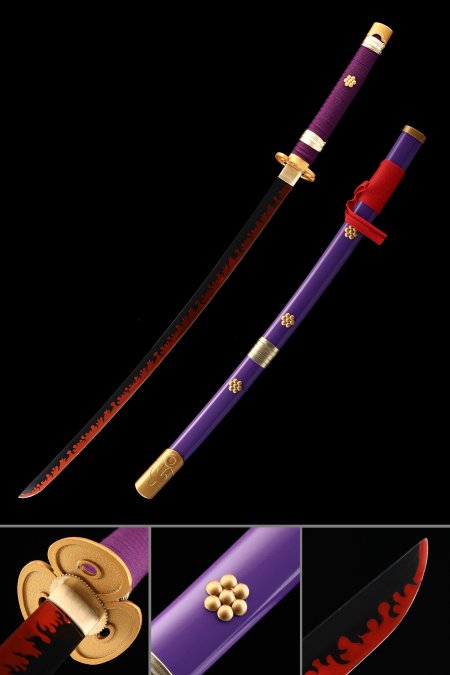
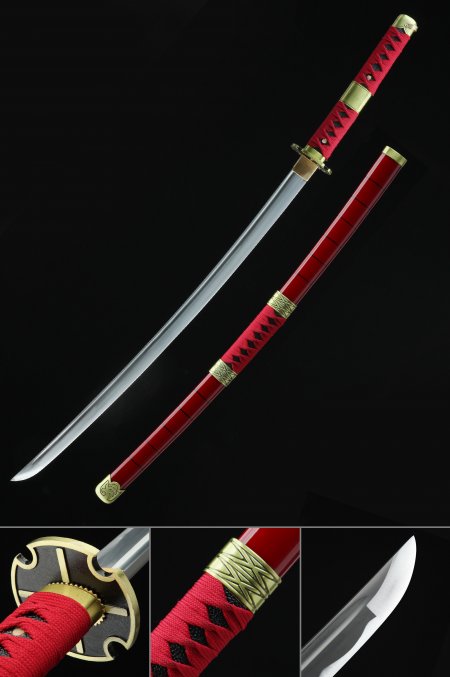
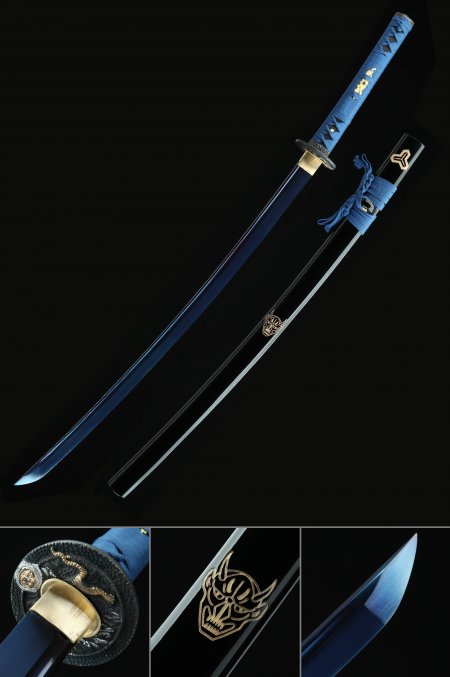
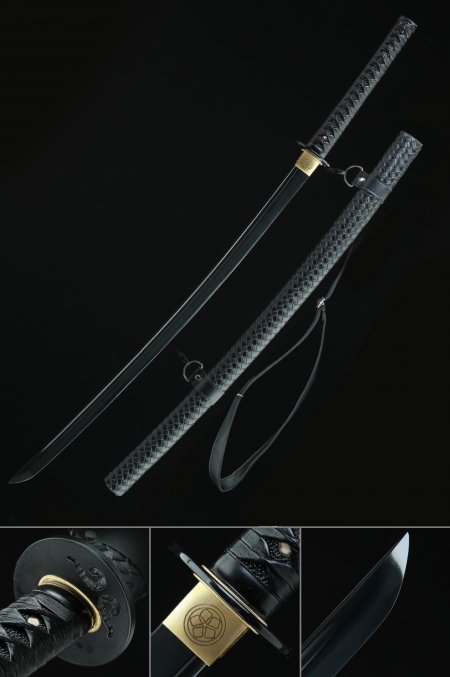
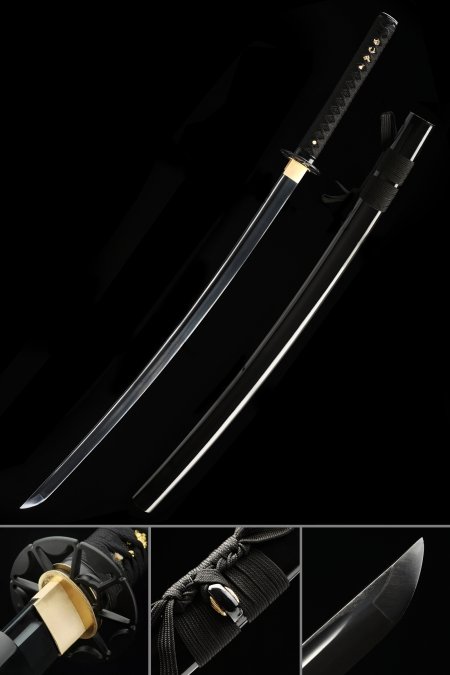
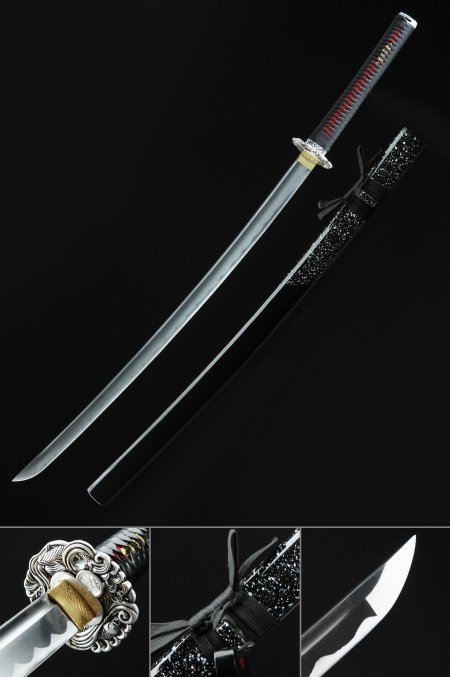
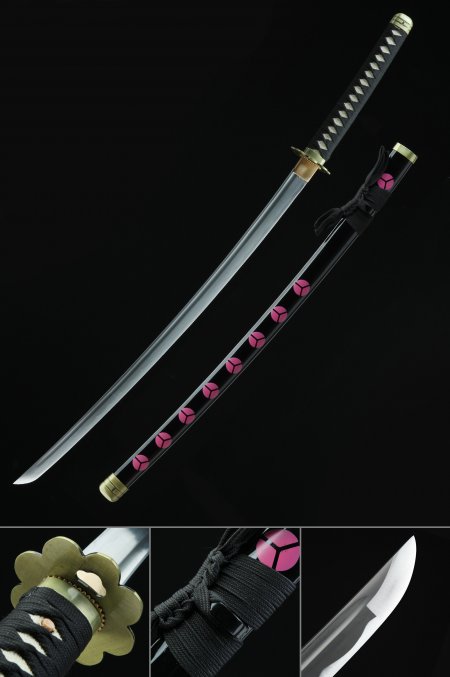
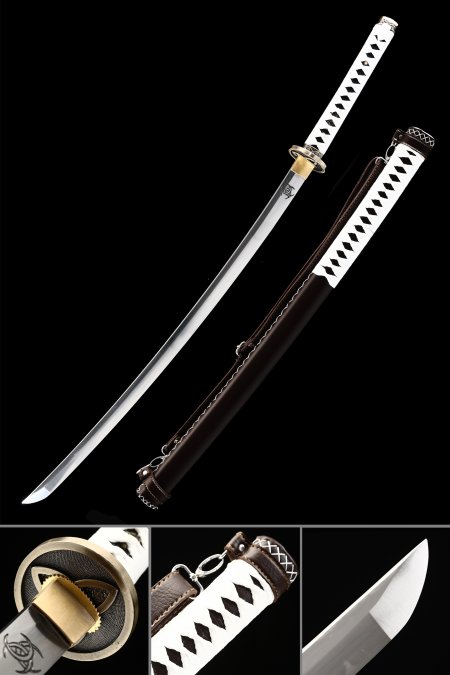
For display and collectible purposes, full-tang construction matters more for long-term stability than for any functional consideration. A full-tang blade extends the steel continuously from tip through the entire handle, secured by mekugi pins through the tsuka. This means the handle assembly is anchored to a single uninterrupted piece of steel, which resists loosening over years of handling, repositioning on a stand, or rotating for photography and inspection. Partial or rat-tail tang assemblies - where the blade narrows significantly inside the handle - can develop subtle play in the handle over time, particularly in pieces that are handled regularly rather than left completely static. For a display piece that will be taken down, examined, and replaced regularly, full-tang construction preserves the overall tightness of the fitting and keeps the saya-to-blade alignment consistent, which is especially visible in lightning-pattern sayas where any misalignment disrupts the visual continuity of the design.