What should I look for in a tsuba when evaluating a collectible katana?
Updated Mar 2026
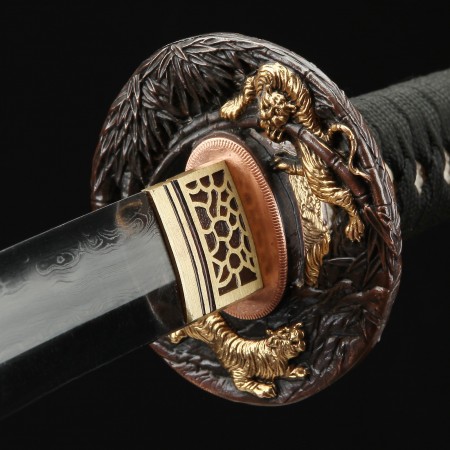
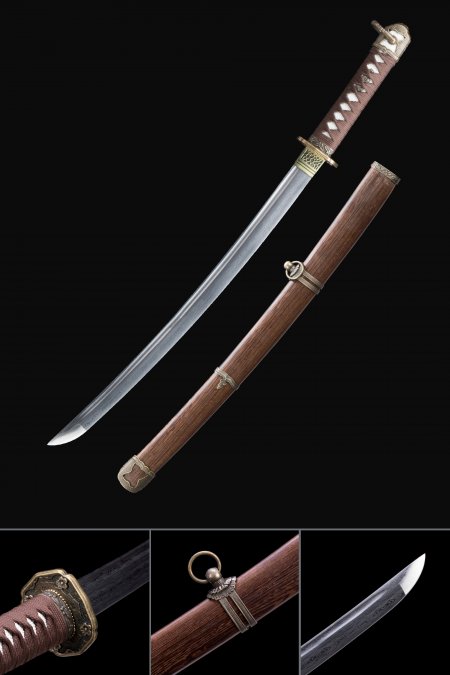
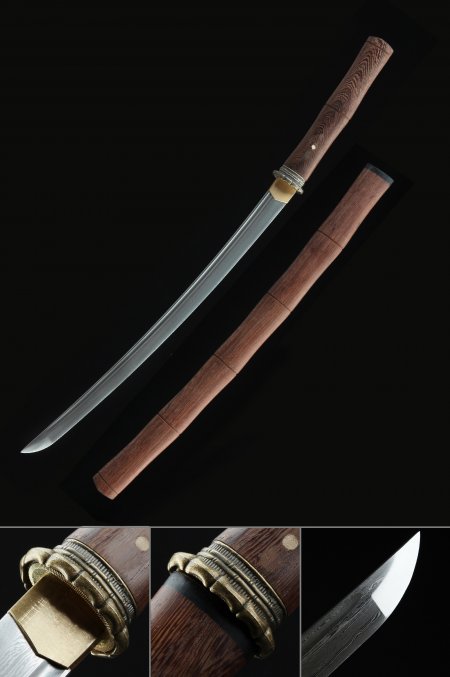
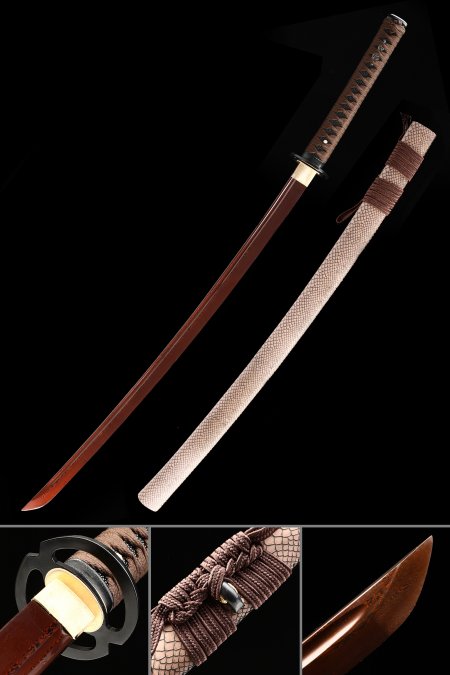
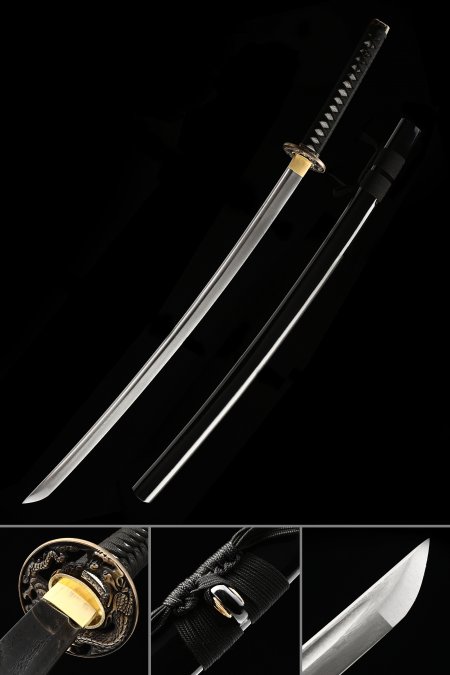
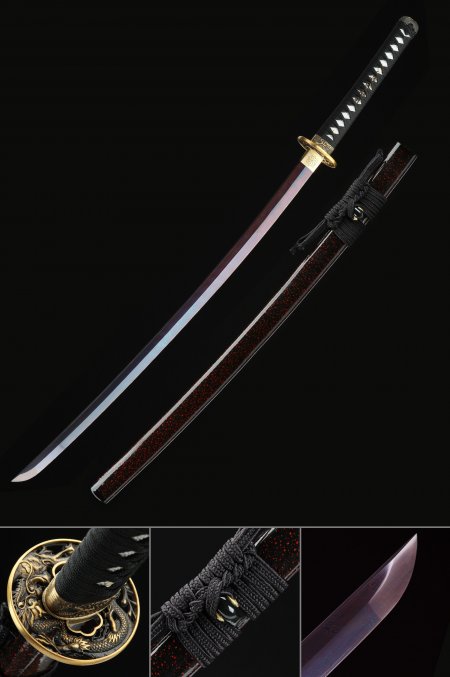
The tsuba is one of the most scrutinized fittings among serious collectors because it reflects both artistic intent and manufacturing quality simultaneously. Start with the nakago-ana - the central slot through which the blade tang passes. On a well-made tsuba, this opening is clean, precisely dimensioned, and fitted with a tight seppa (washer) on each side so there is no play between the tsuba and the blade. Next, examine the surface relief work: on cast alloy tsuba like the bamboo-theme or dragon variants in this collection, look for clean edge definition on raised elements and consistent surface texture rather than blurred or pitted casting artifacts. Finally, consider thematic coherence - a tsuba motif should complement the overall aesthetic of the piece. A gold dragon tsuba on a Damascus blade with a black-purple saya creates a deliberate visual language; mismatched fittings are typically a sign of lower-tier assembly.