What is the difference between Damascus and 1095 carbon steel tachi?
Updated Mar 2026
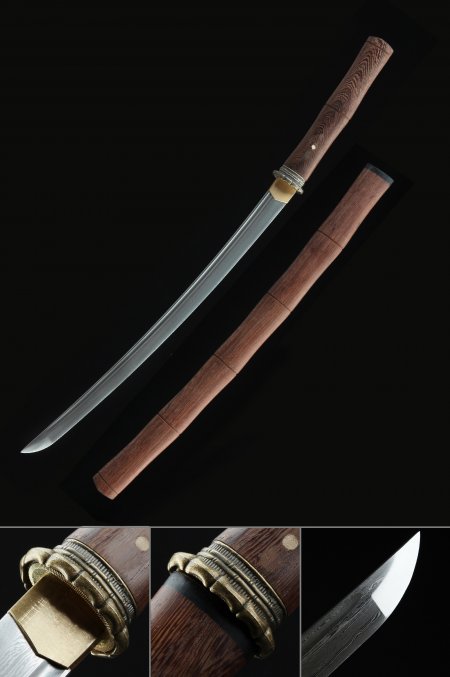
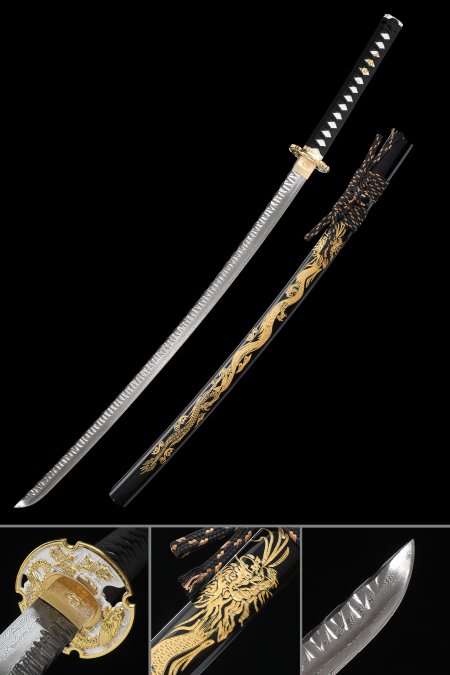
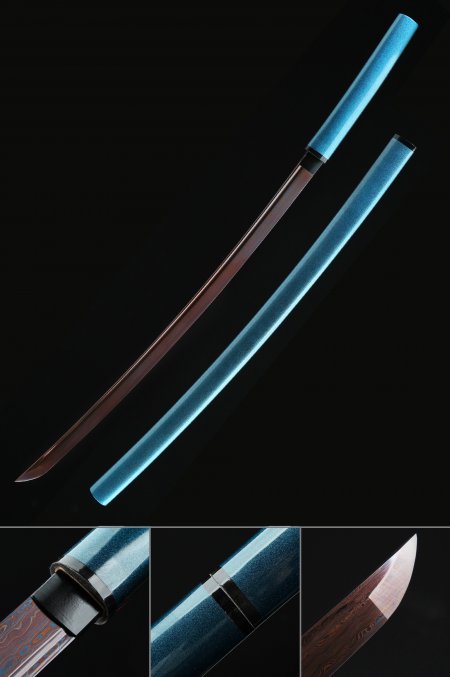
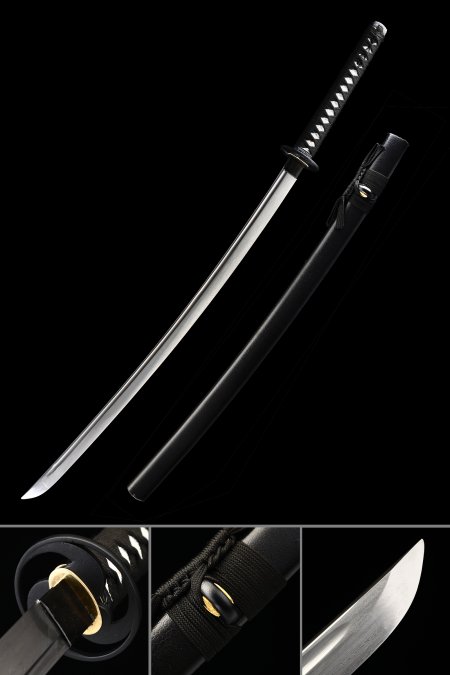
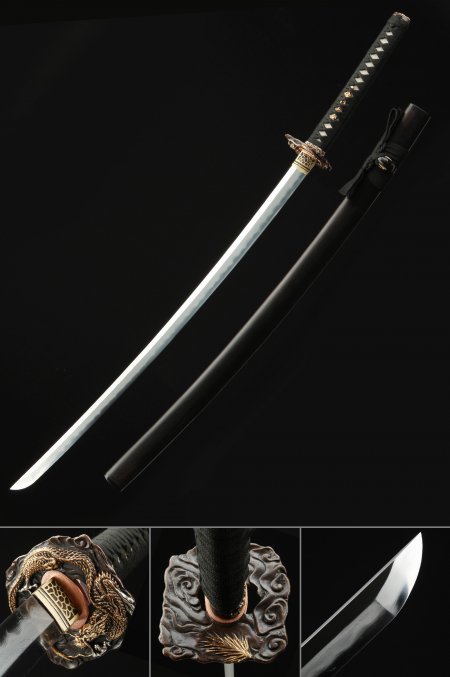
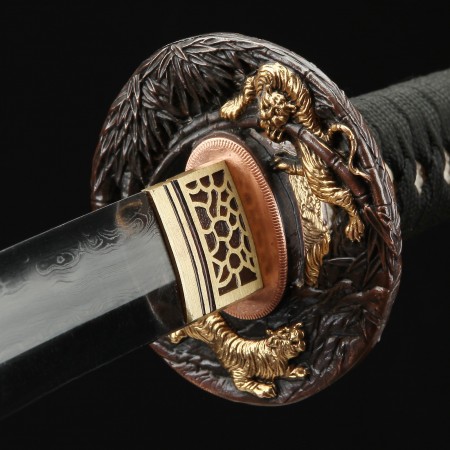
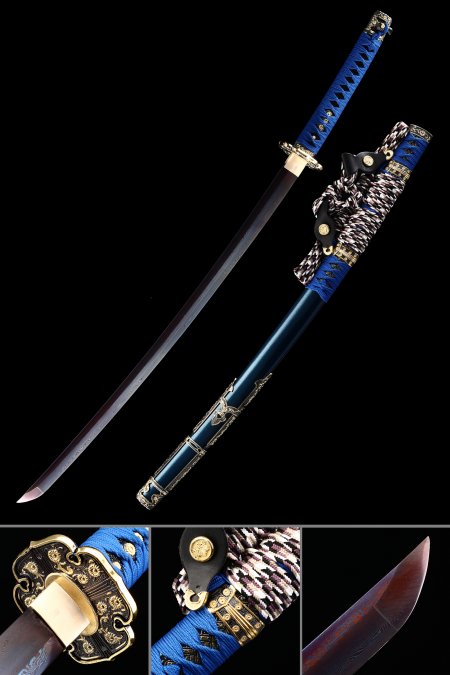
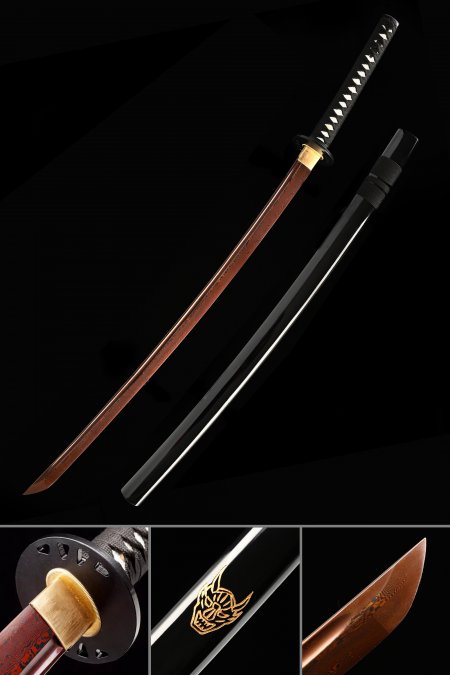
Damascus steel in the context of modern Japanese-style swords refers to pattern-welded steel: two or more steel alloys are forge-welded together, then folded and manipulated to create flowing grain patterns visible on the blade surface. The result is a blade with visual texture that shifts dramatically under directional light. 1095 high-carbon steel, by contrast, is a single-alloy steel prized for its predictable hardness, edge retention, and compatibility with clay tempering to produce a clean, well-defined hamon. For collectors, Damascus offers aesthetic complexity and a showcase of the smith's layering technique, while 1095 offers a more traditional Japanese sword steel profile with a cleaner surface that highlights the temper line clearly. Neither is inherently superior — the choice depends on whether the collector prioritizes surface pattern or hamon clarity.