Is a real hamon on a tachi better than a decorative one?
Updated Mar 2026
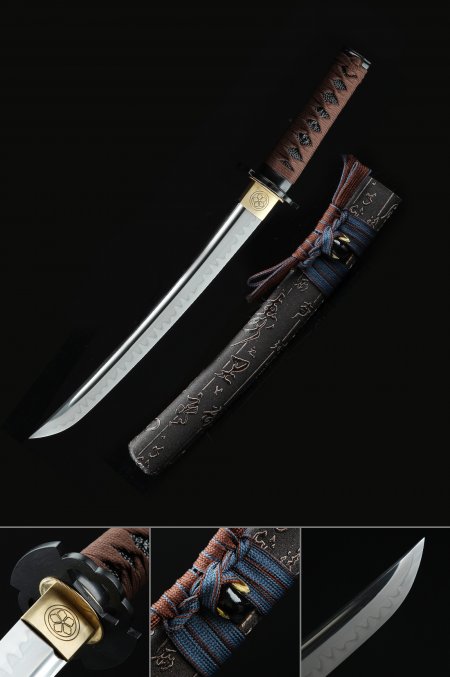
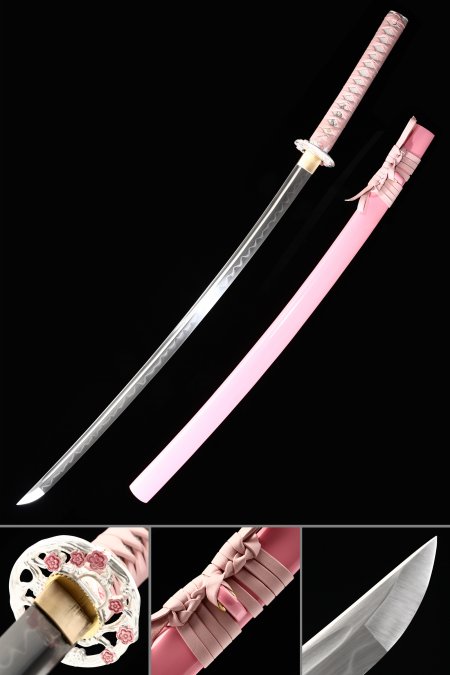
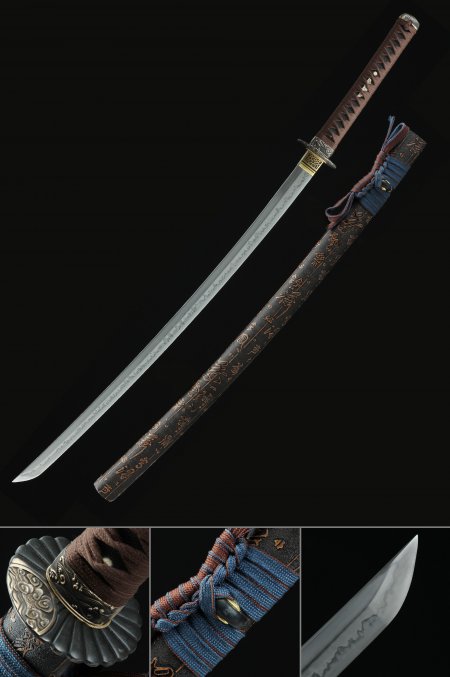
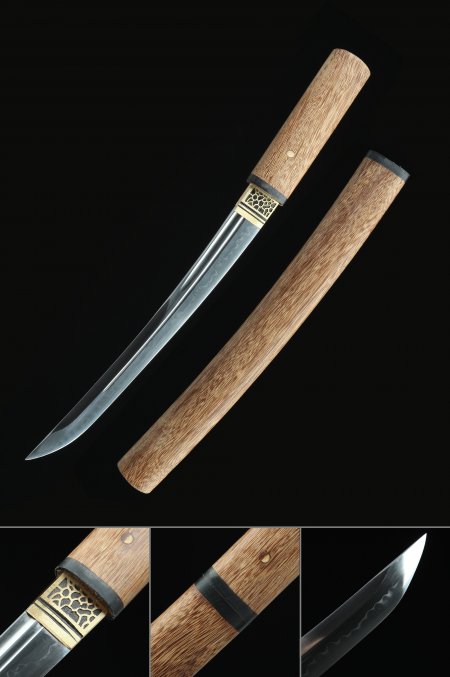
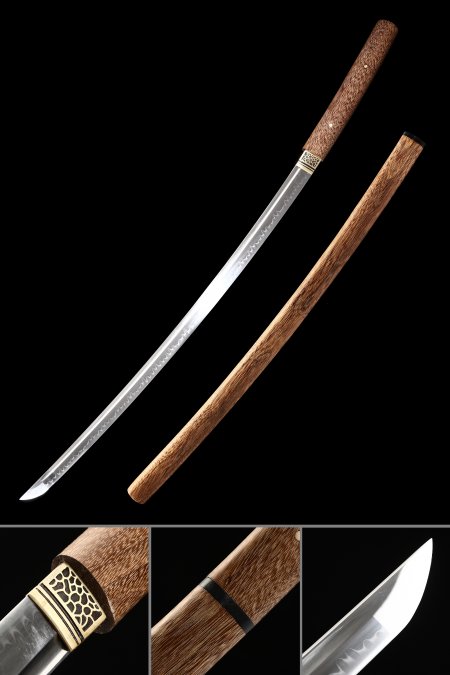
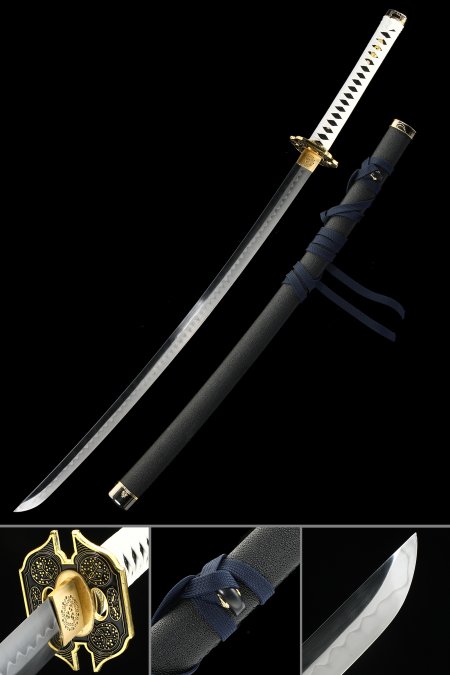
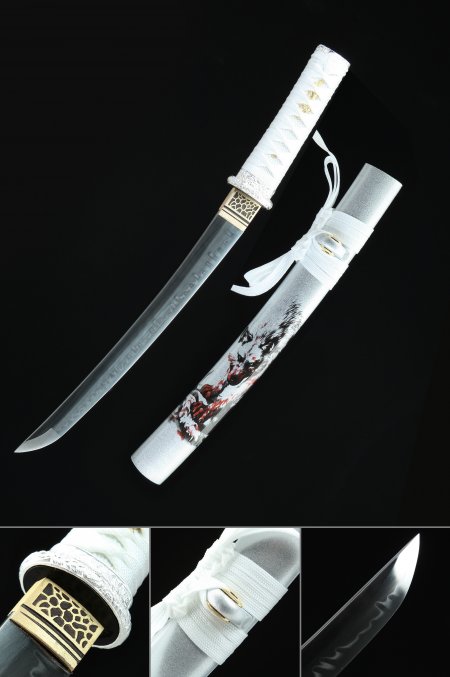
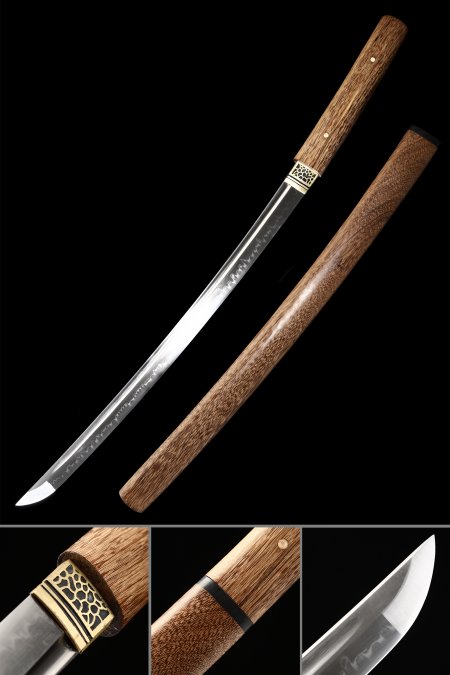
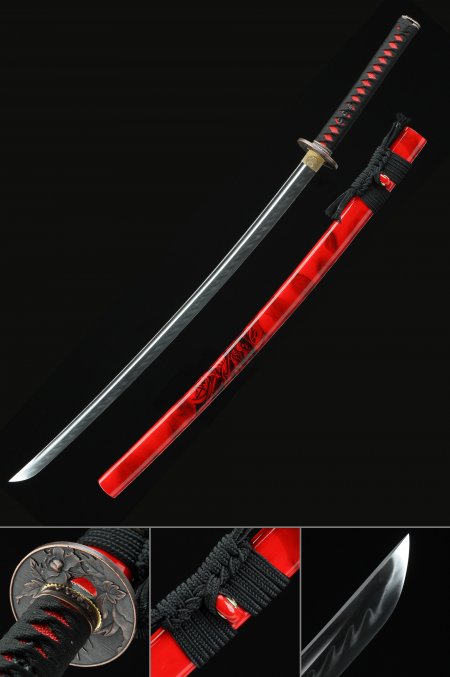
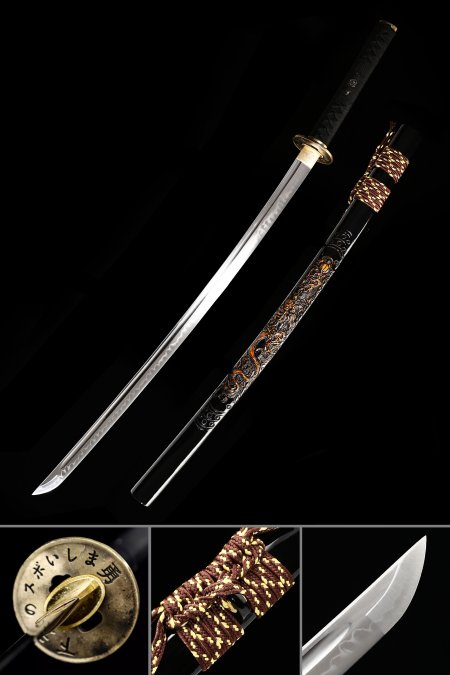
A real hamon is produced through differential clay tempering - the spine of the blade is coated in clay before quenching, causing the edge to cool faster and harden to a higher degree than the spine. This creates a visible crystalline boundary line (the hamon) that is three-dimensional and shifts in appearance under different lighting angles. A decorative hamon, by contrast, is acid-etched or wire-brushed onto the surface of mono-tempered steel and appears flat and consistent regardless of lighting. For display collectors, a genuine hamon on a T10 or high-carbon steel tachi offers significantly more visual depth and is a mark of higher craftsmanship. When examining a blade, tilting it under a focused light source will reveal whether the hamon has the characteristic misty, active texture (nie and nioi) of a real temper line or the uniform flatness of an etched finish.