Is Damascus steel or high-carbon steel better for a display tachi?
Updated Mar 2026
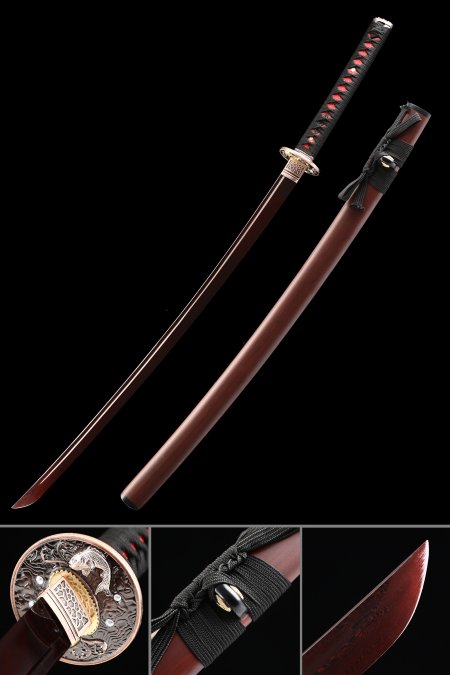
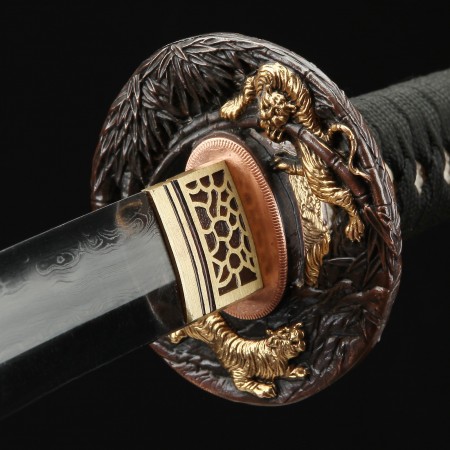
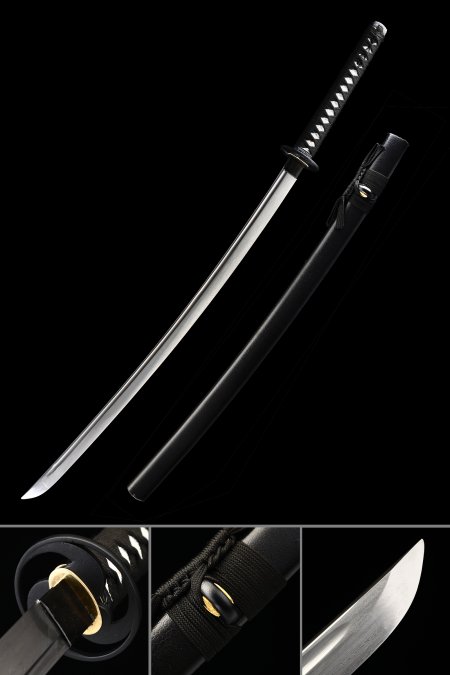
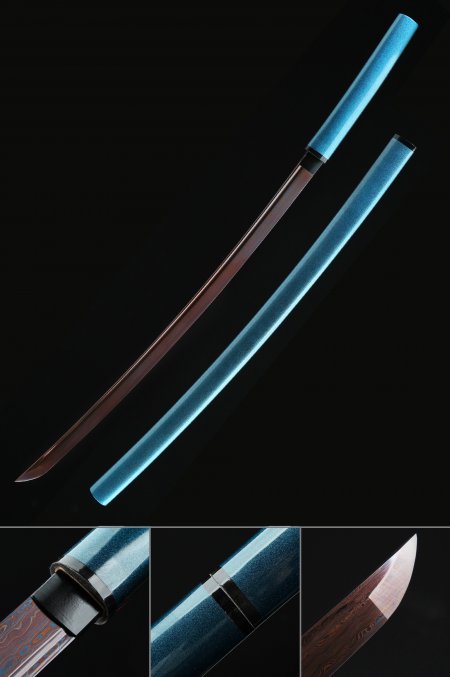
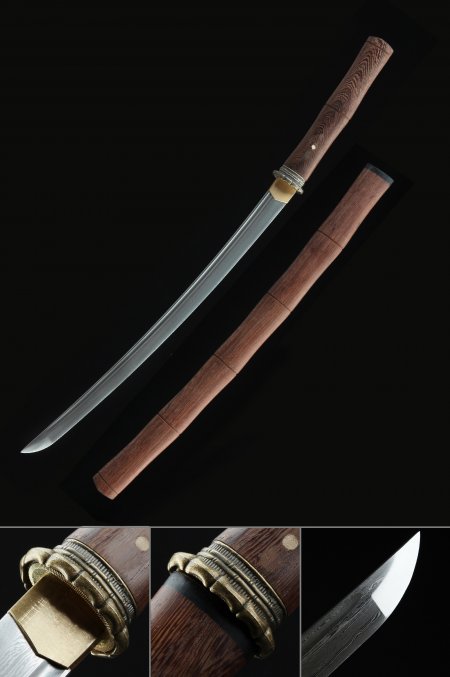
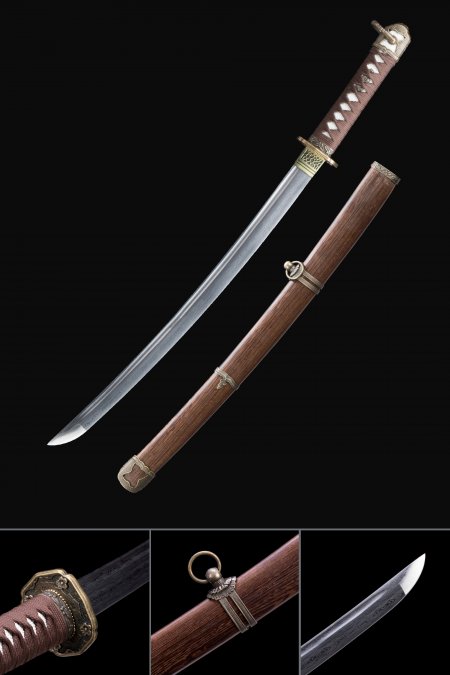
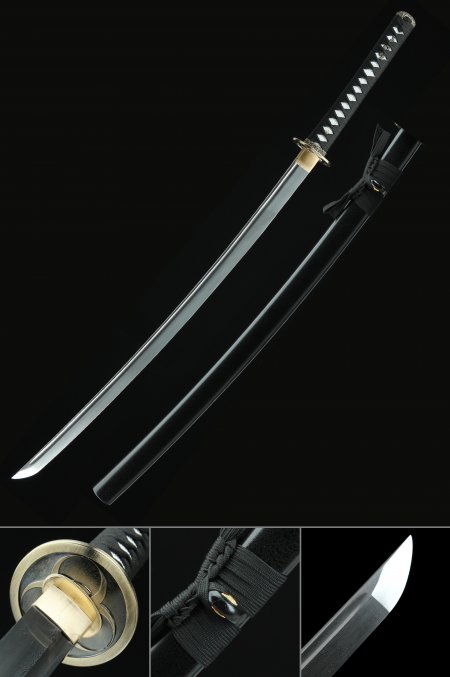
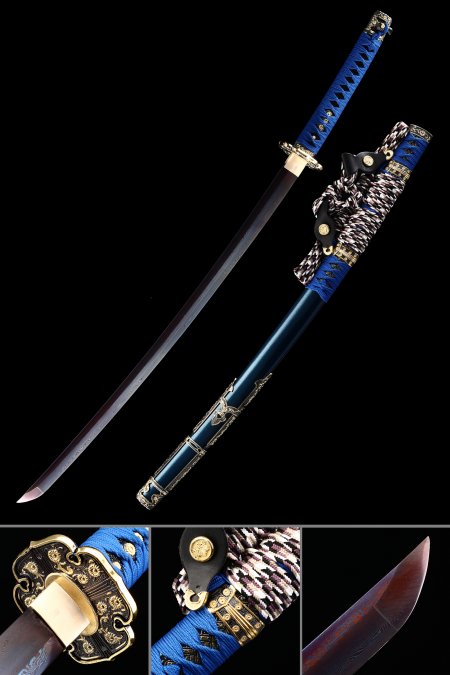
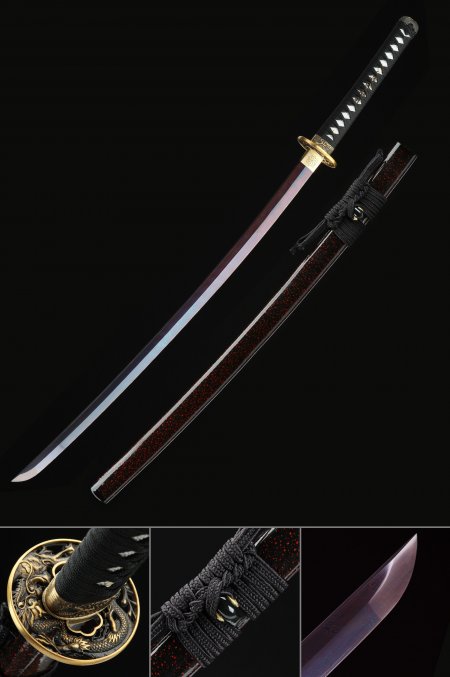
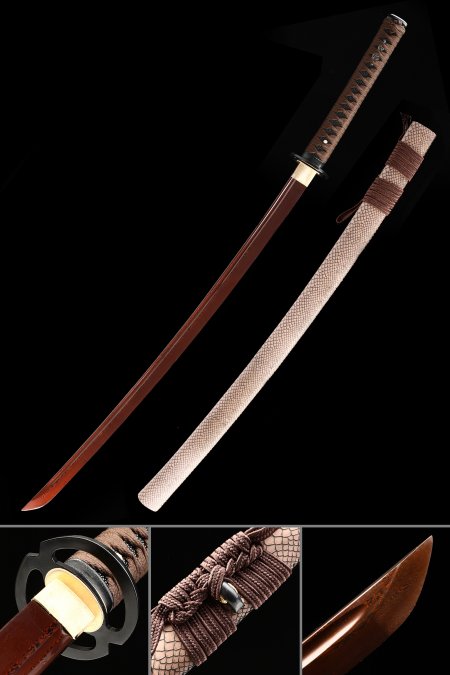
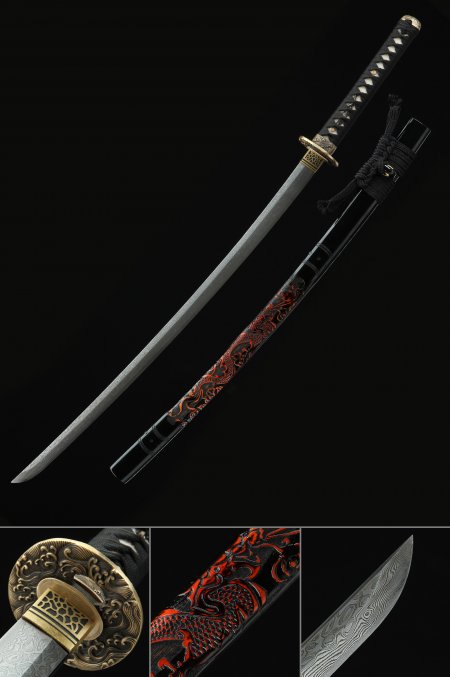
Neither is objectively superior - they offer different visual and tactile experiences that suit different collector preferences. Damascus-forged blades are distinguished by a flowing hada pattern created through repeated folding and forge-welding of two or more steel types. This pattern is unique to every blade and gives the surface a textured, almost painterly quality that rewards examination under directional lighting. High-carbon steels like T10 and 1060, by contrast, are valued for their hamon - the temper line produced by clay differential hardening. T10 in particular contains trace tungsten that supports a crisp, well-defined hamon with visible activity in the nioi. For display purposes, Damascus blades photograph dramatically and suit spotlight or accent lighting, while hamon-bearing high-carbon blades reveal their detail best under raking natural light. Many serious collectors eventually acquire both types to represent different traditions of the craft.