How is a ninjato different from a katana as a display collectible?
Updated Mar 2026
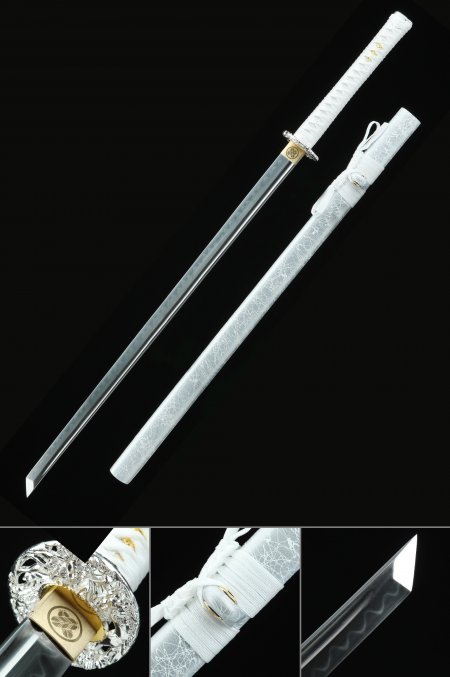
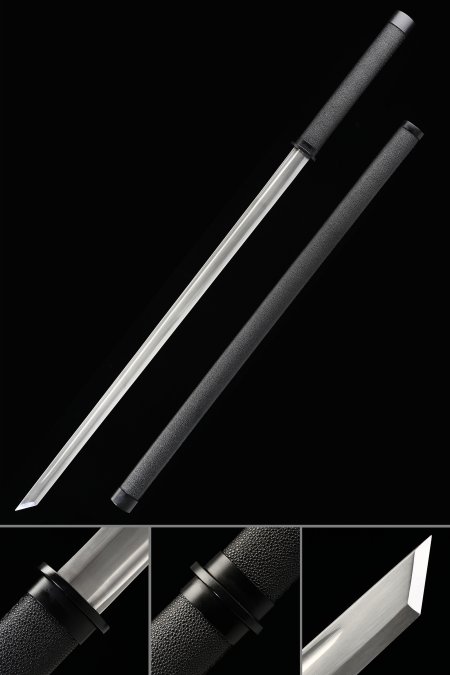
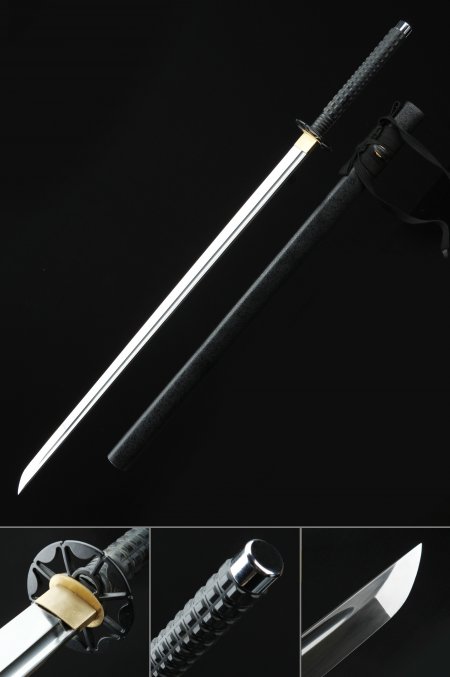
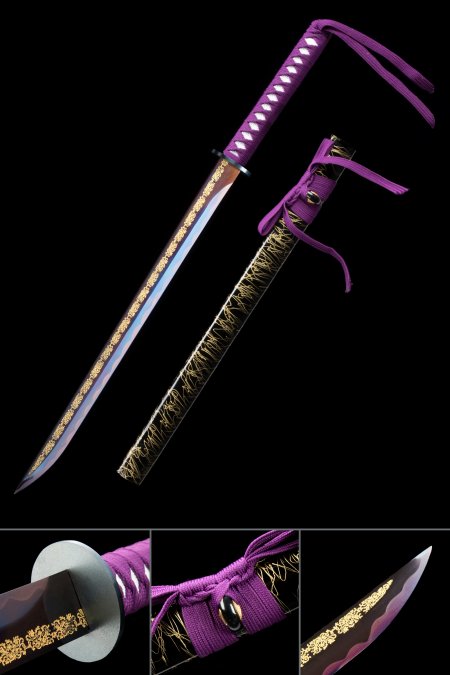
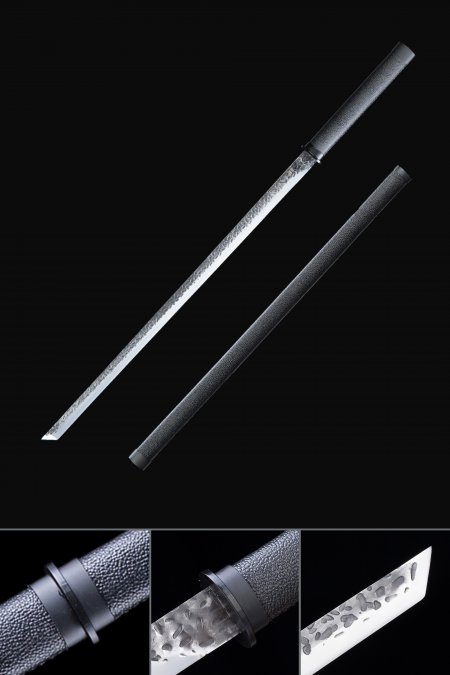
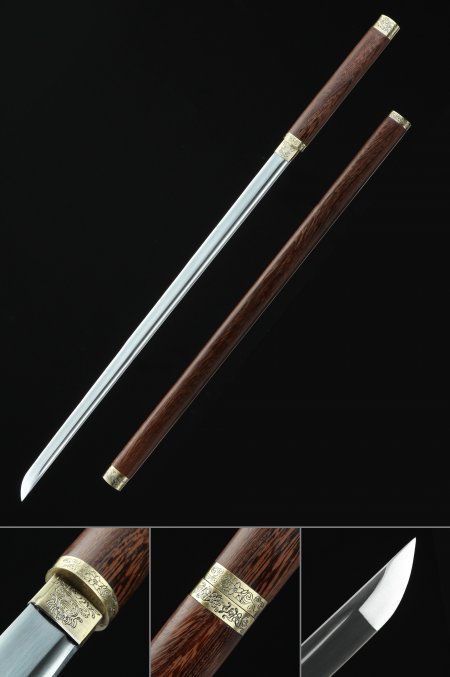
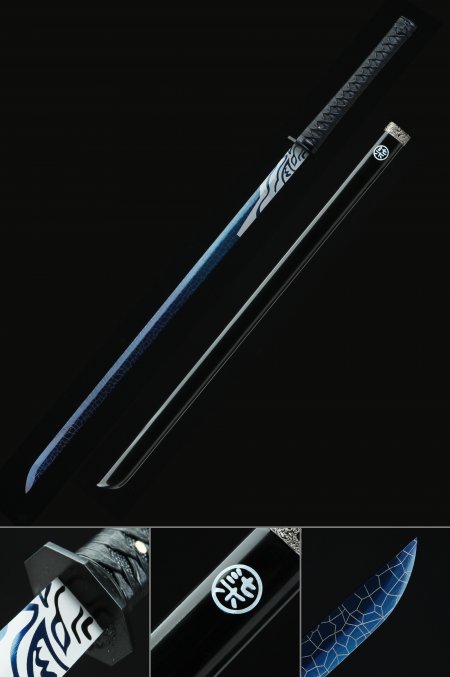
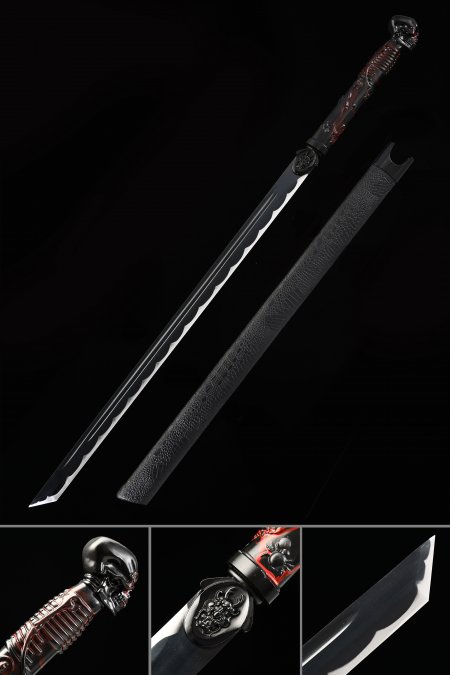
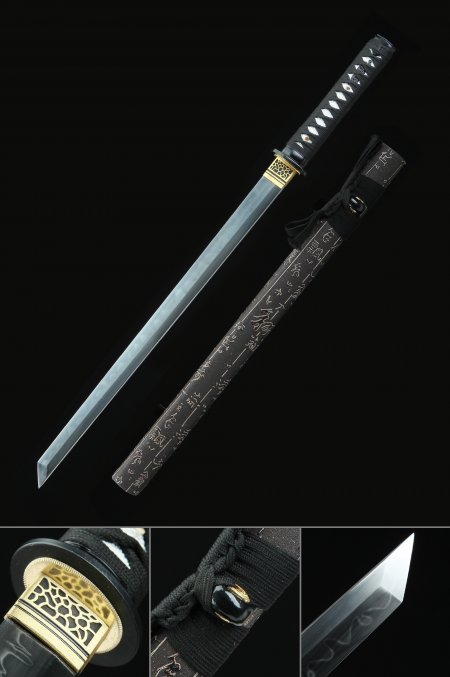
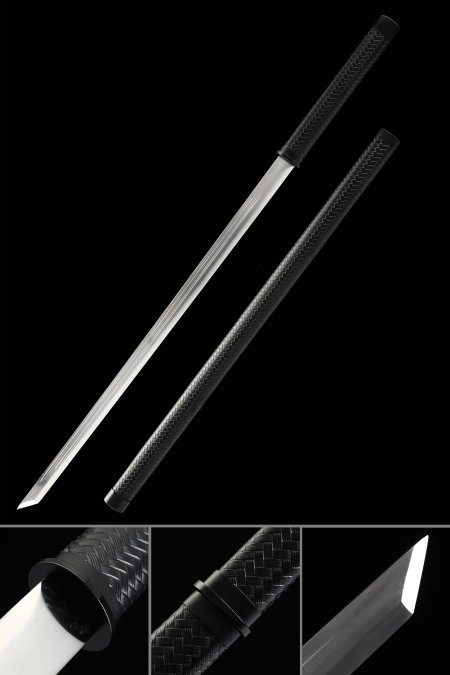
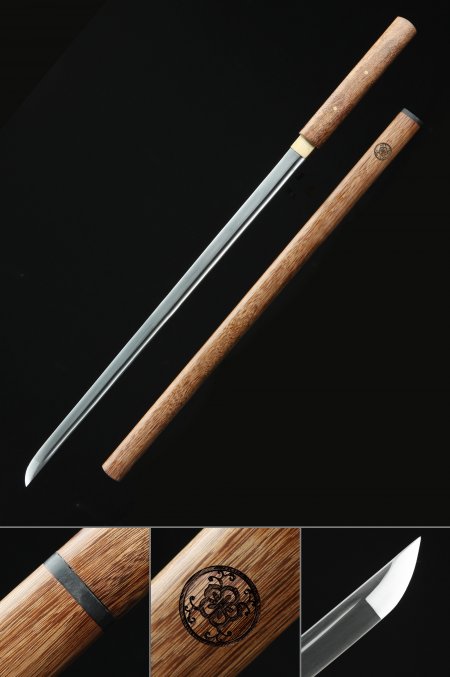
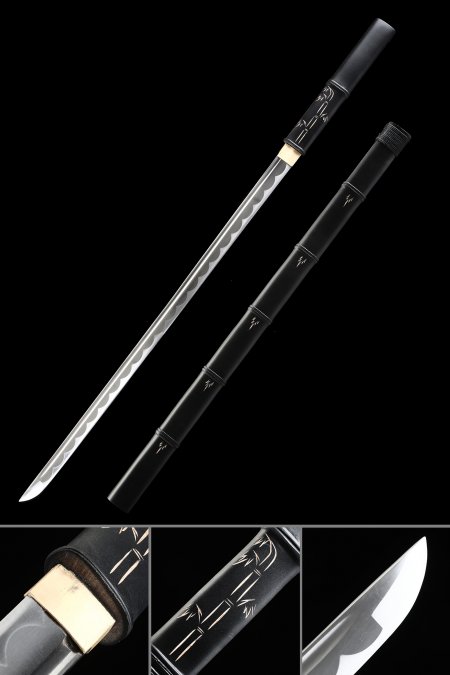
The most immediately visible difference is blade geometry. A katana features a pronounced curve — the sori — developed through differential clay tempering during the forging process. A ninjato has a straight or nearly straight blade profile, which gives it a visually distinct silhouette in a display setting and evokes a different aesthetic tradition. For collectors, this distinction matters when curating a themed display: straight-blade pieces read as more angular and architectural against a wall, while curved katana create a more dynamic flowing line. The ninjato's shorter, straight blade also typically pairs with a square or geometric tsuba shape, though the plum blossom tsuba variants here demonstrate that decorative round guard designs adapt equally well to straight blades. Collectors who own both types often find they complement rather than duplicate each other in a mixed display.