What is clay tempering and why does it matter on a T10 blade?
Updated Mar 2026
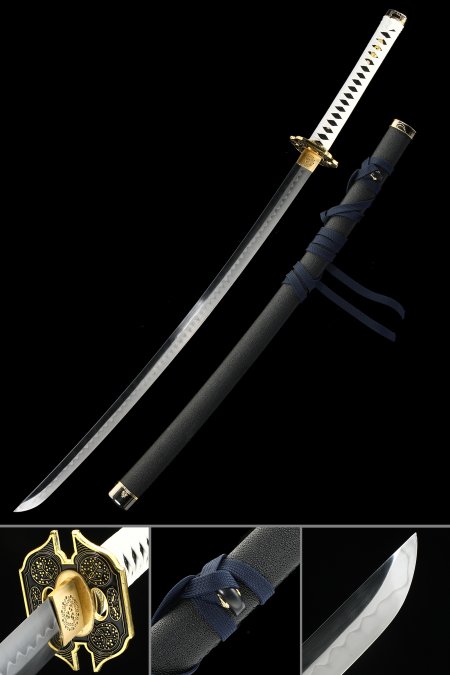
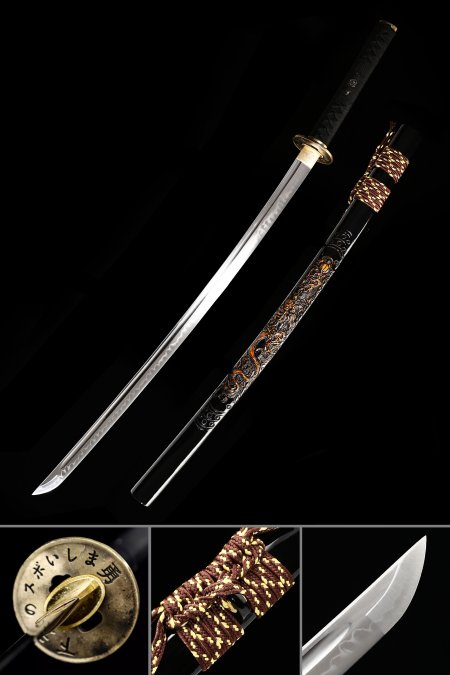
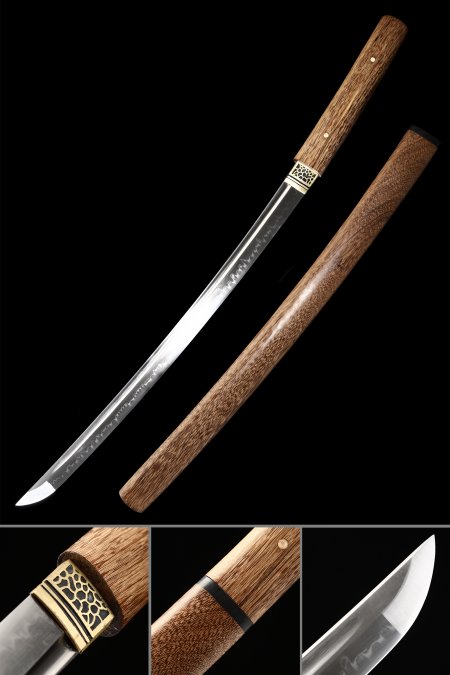
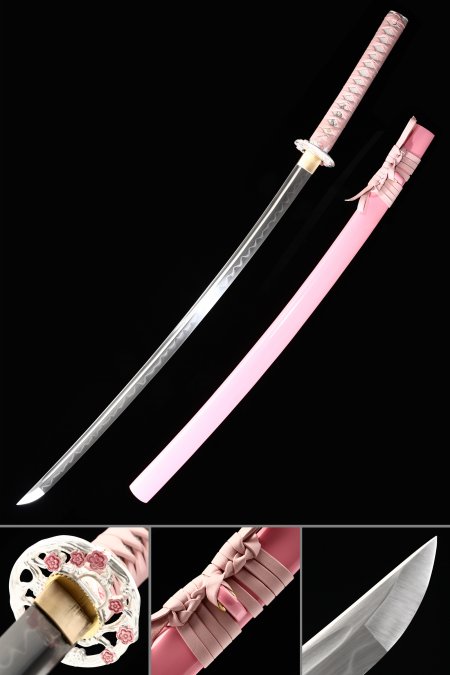
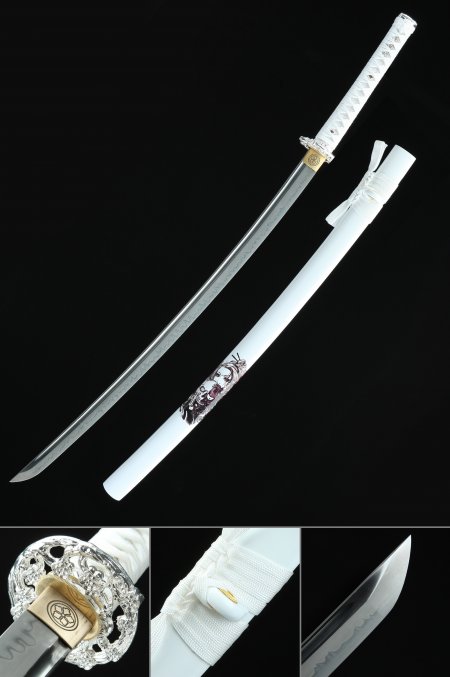
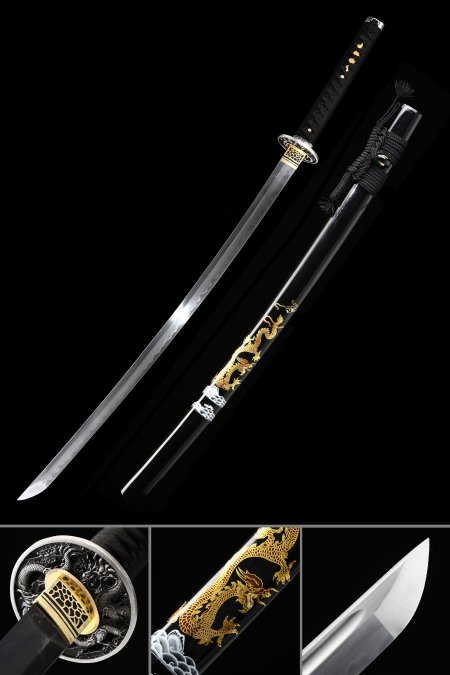
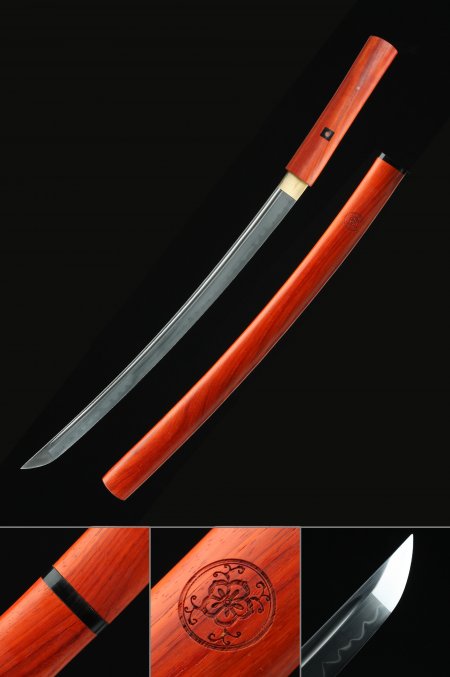
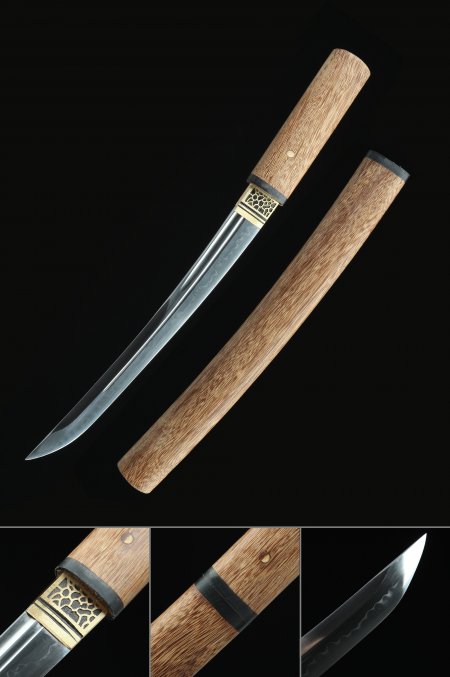
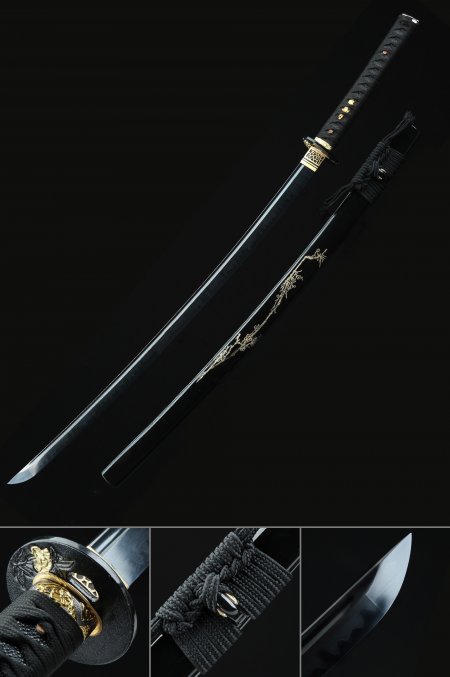
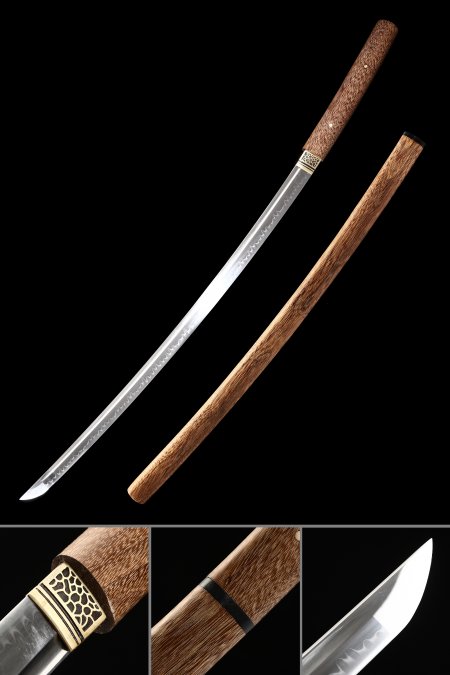
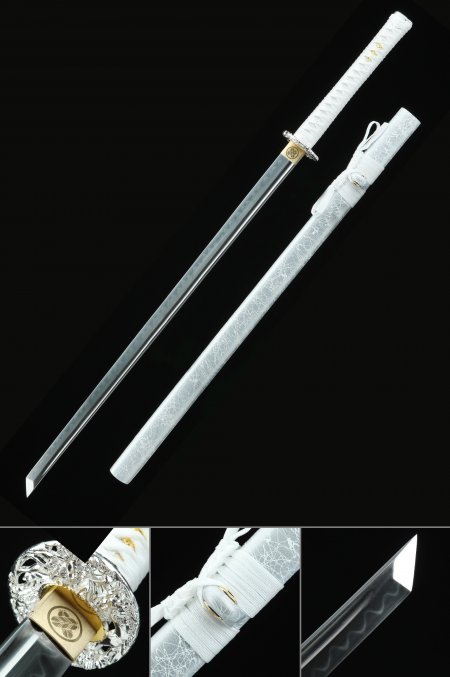
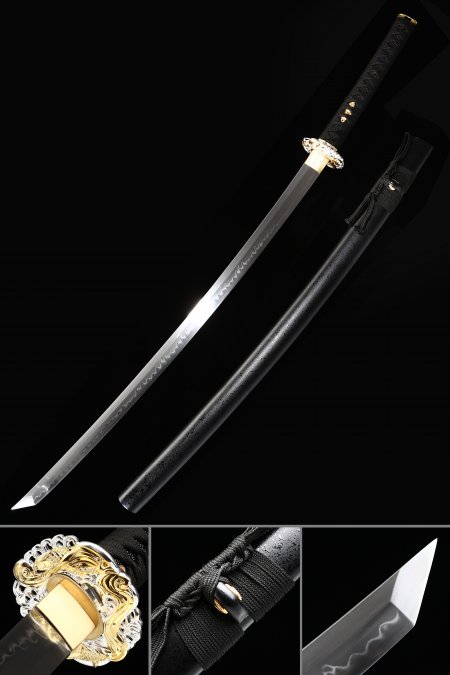
Clay tempering is a traditional Japanese heat-treatment technique in which a layer of refractory clay is applied along the spine of the blade before the hardening quench. Because the clay insulates the coated area, the spine cools more slowly and remains relatively soft and flexible, while the uncoated edge cools rapidly and becomes significantly harder. The boundary between these two zones produces the hamon - the visible temper line that runs along the edge of the blade. On T10 tool steel, which has a higher carbon content and trace tungsten compared to standard high-carbon steels, clay tempering produces especially vivid hamon activity. For display collectors, the hamon is one of the most visually compelling details a blade can carry, as it is a direct record of the heat-treatment process rather than a polished-on decoration.