How is Damascus pattern steel different from standard high-carbon steel?
Updated Feb 2026
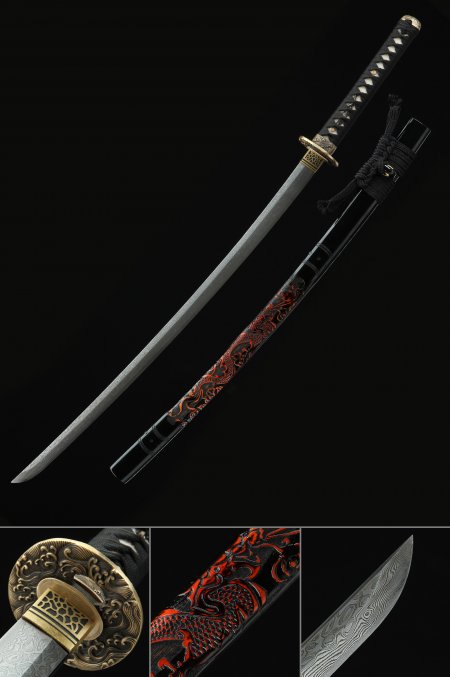
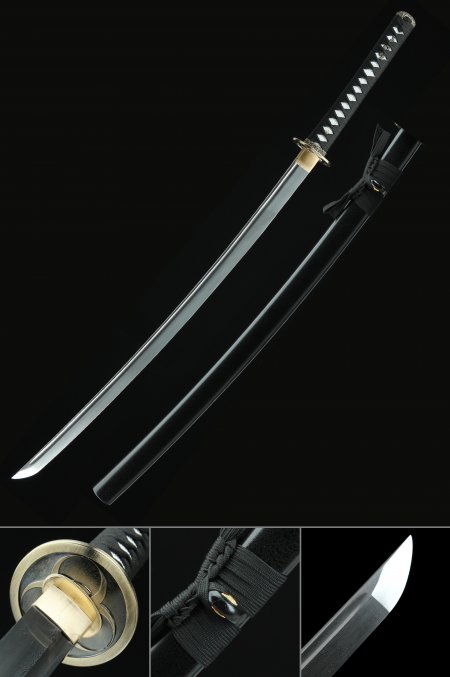
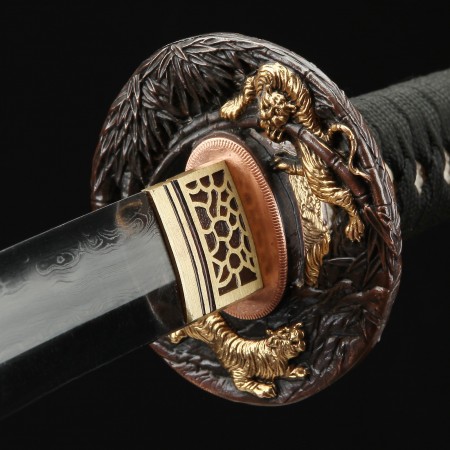
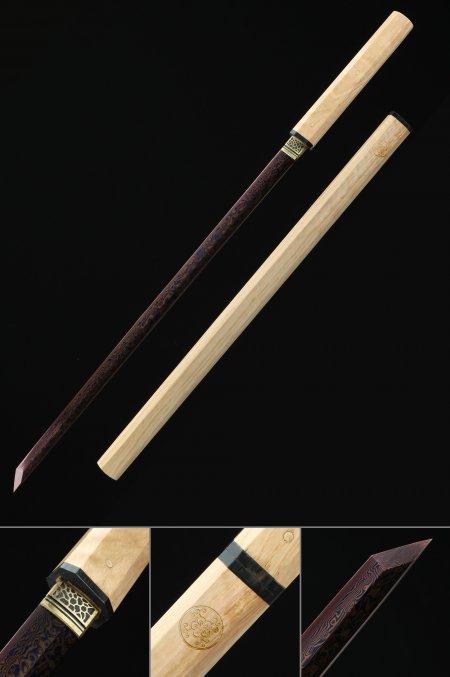
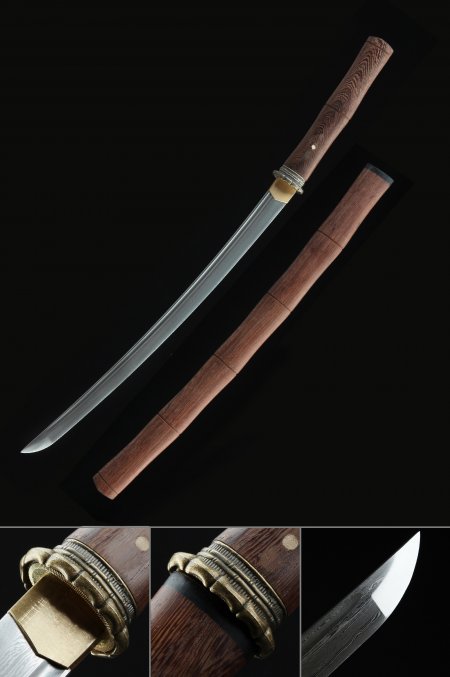
Damascus steel — called pattern steel in many collecting contexts — is produced by forge-welding alternating layers of high-carbon and low-carbon steel, then folding and drawing out the billet repeatedly. The final layer count can range from dozens to several hundred, depending on the smith's intended pattern. After forging and shaping, the blade is acid-etched, which reacts differently with the two steel types and reveals the grain structure as a flowing, organic surface pattern. Standard monosteel high-carbon blades, by contrast, have a uniform internal structure with no visible grain. From a collector's standpoint, Damascus steel offers a visual record of the smith's process: the tightness of the grain, the regularity of the folds, and the clarity of the pattern after etching all indicate the care and skill applied during forging. No two Damascus blades ever produce the same surface, which is a meaningful consideration for collectors who value individuality in their pieces.