What does clay-tempered mean on a T10 steel blade?
Updated Mar 2026
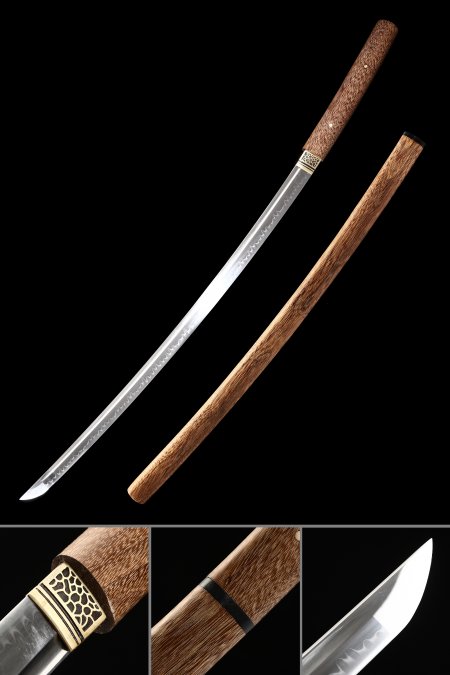
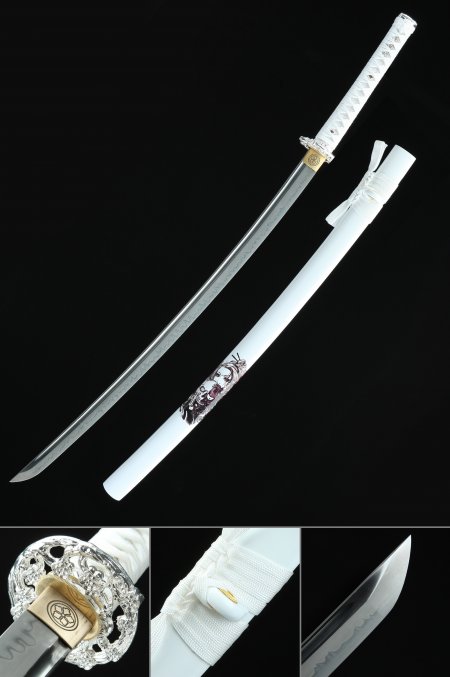
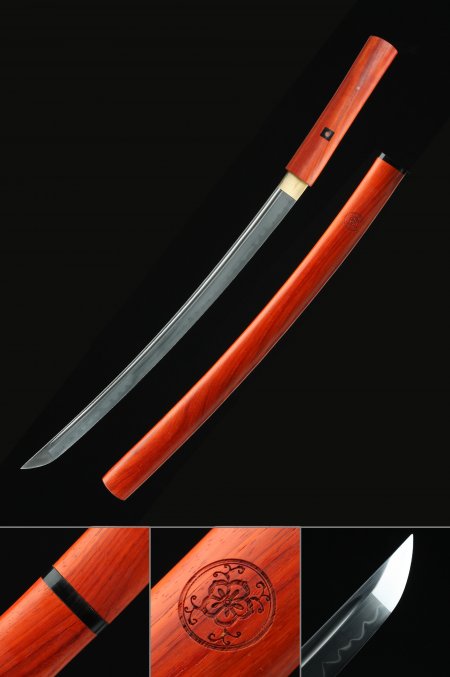
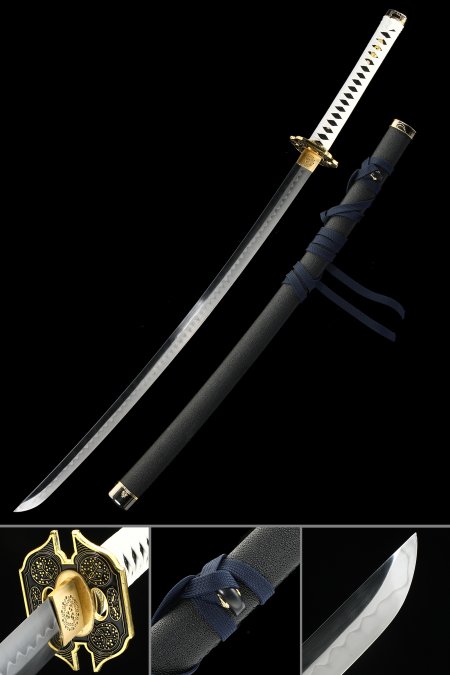
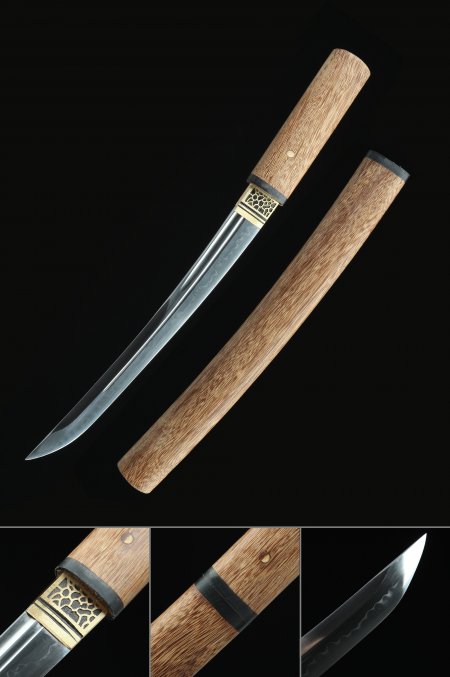
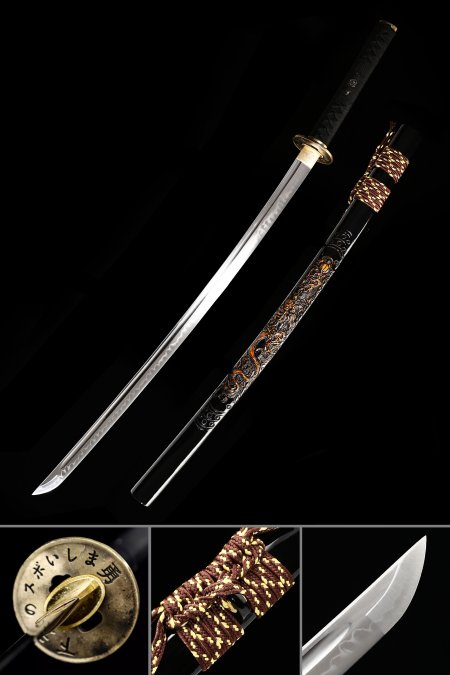
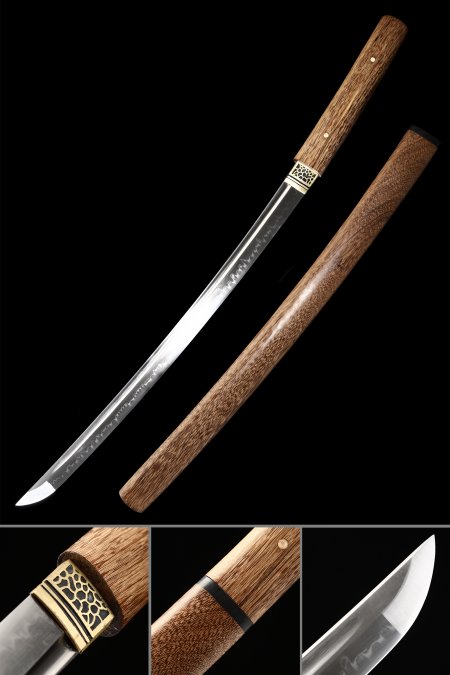
Clay tempering is a traditional Japanese heat-treatment technique in which a layer of refractory clay is applied to the spine of the blade before quenching, while the edge area is left exposed or covered with a thinner coating. When the blade is heated and plunged into water, the exposed edge cools rapidly and forms a harder martensitic structure, while the clay-insulated spine cools more slowly and remains comparatively tough and flexible. The boundary between these two zones produces the hamon - the visible temper line that runs along the length of the blade. On T10 steel, which has a naturally high carbon content and small tungsten additions for wear resistance, clay tempering produces a particularly crisp and active hamon with visible crystalline activity. For collectors, a genuine clay-tempered hamon is a mark of authentic craft process and significantly elevates a piece's display and documentary value compared to chemically etched imitations.