What is a real hamon and how is it different from an etched one?
Updated Mar 2026
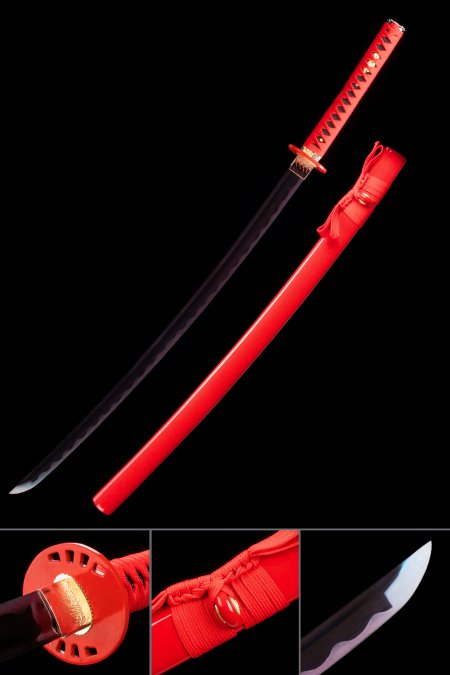
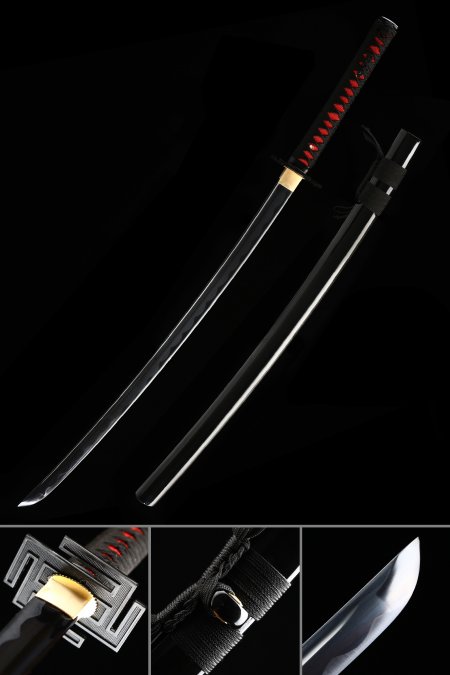
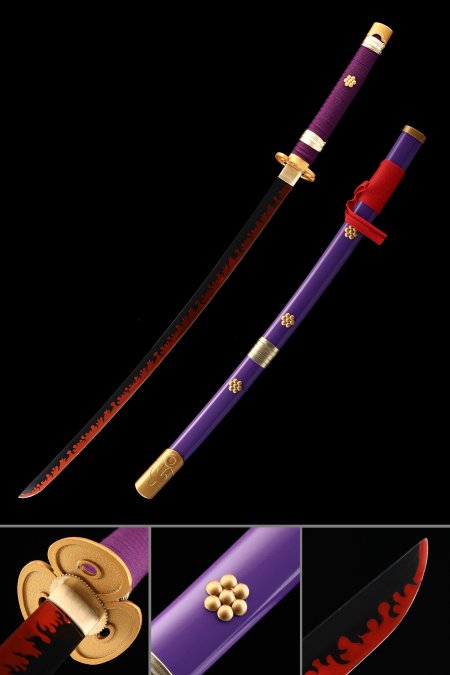
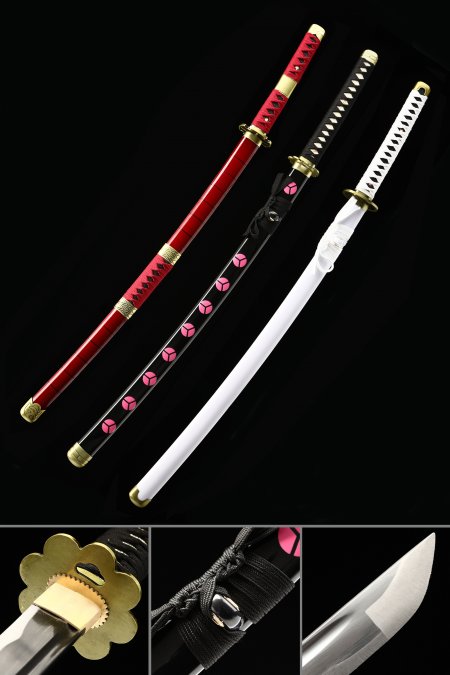
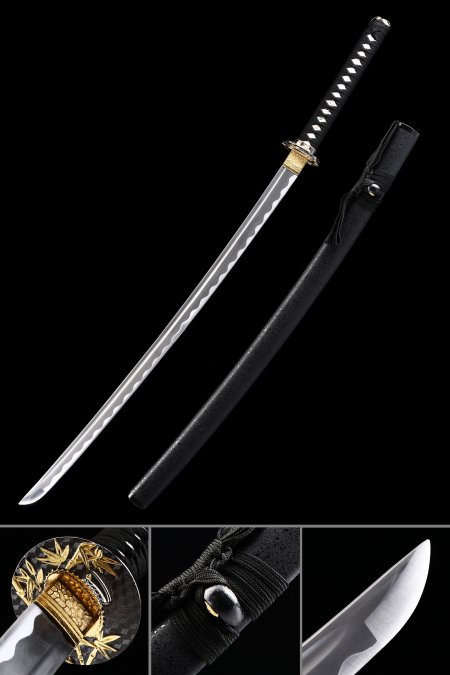
A real hamon is the visible boundary line that forms along the edge of a blade during differential hardening — a process where the edge is coated with clay before the final heat treatment, causing it to cool at a different rate than the spine. This creates a distinct transition zone, often appearing as a misty, irregular line running the length of the blade. An etched or simulated hamon, by contrast, is produced chemically or mechanically after forging and is purely cosmetic with no effect on the blade's structure. Collectors familiar with traditional Japanese swordsmithing specifically look for a genuine hamon as confirmation that the blade was heat-treated with care — it is one of the most meaningful indicators of authentic craftsmanship in a collectible katana.