What is a real hamon, and why does it matter to collectors?
Updated Mar 2026
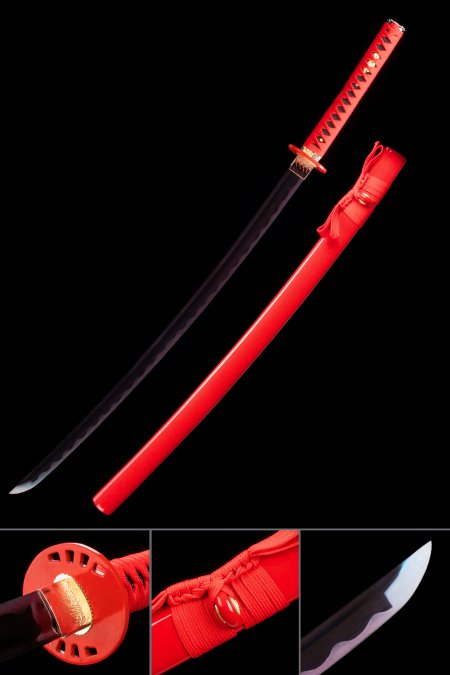
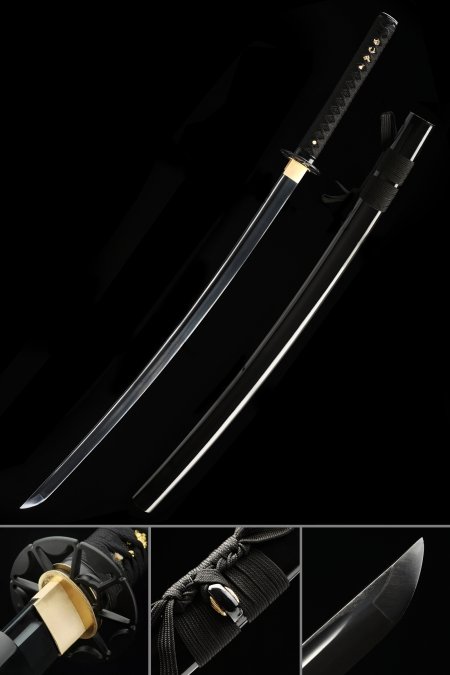
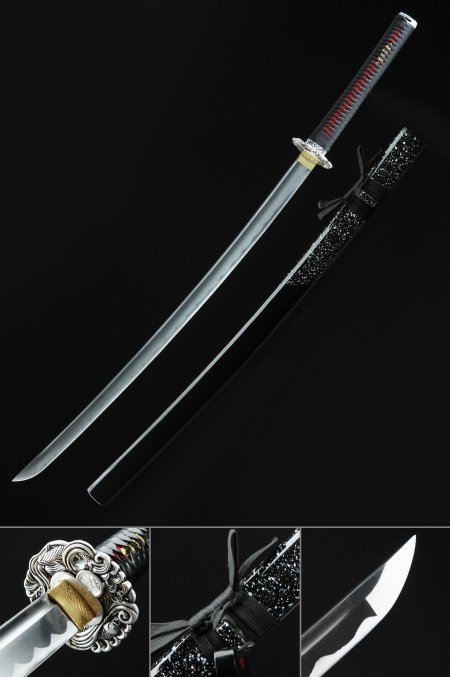
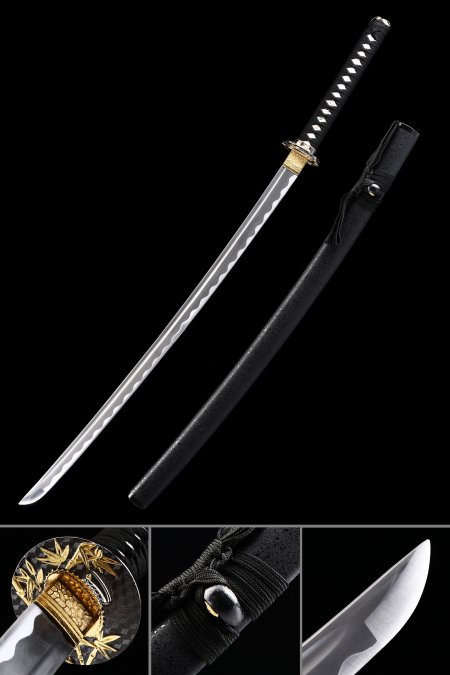
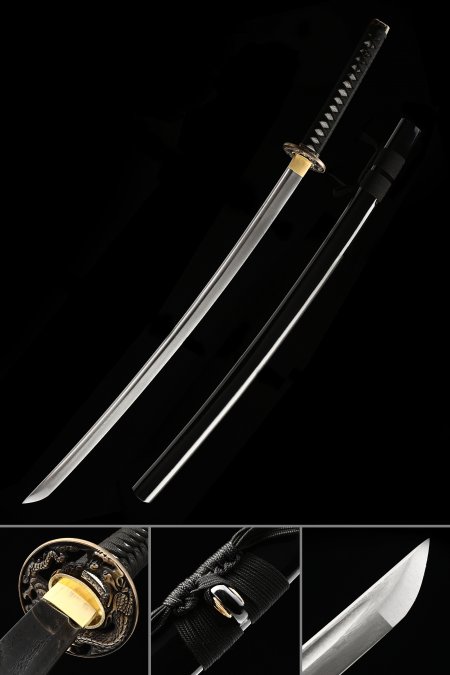
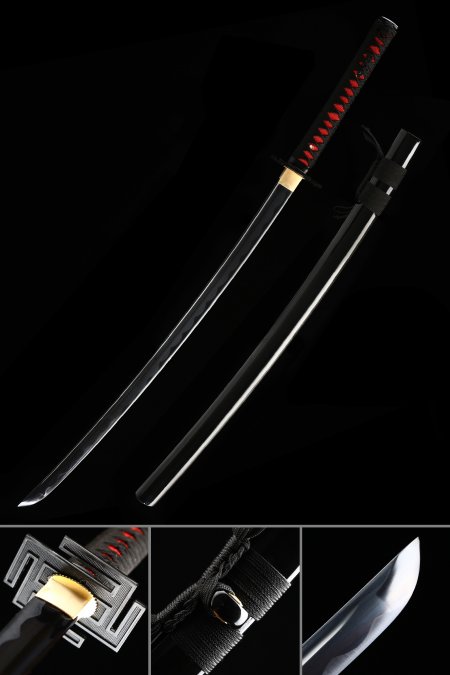
A hamon is the visible line along a katana blade that marks the boundary between the hardened cutting edge and the softer, more flexible spine. A real hamon is produced through a process called tsuchioki, where the bladesmith applies a clay mixture to the blade before quenching it in water or oil. The areas left uncoated cool rapidly and harden, while the clay-coated spine cools more slowly and remains tough. This differential hardening is a defining characteristic of authentic Japanese sword-making tradition. For collectors, a genuine hamon is a mark of honest craftsmanship - it cannot be faked with acid etching and still look correct up close. When you see a real hamon on a collectible katana, you are looking at a physical record of the heat-treatment process, which gives the piece both historical legitimacy and visual character that purely decorative reproductions cannot replicate.