What defines a hamidashi tsuba compared to a standard tanto tsuba?
Updated Mar 2026
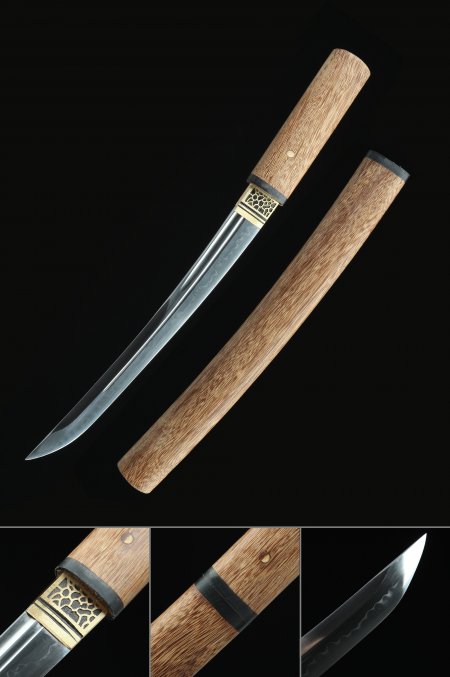
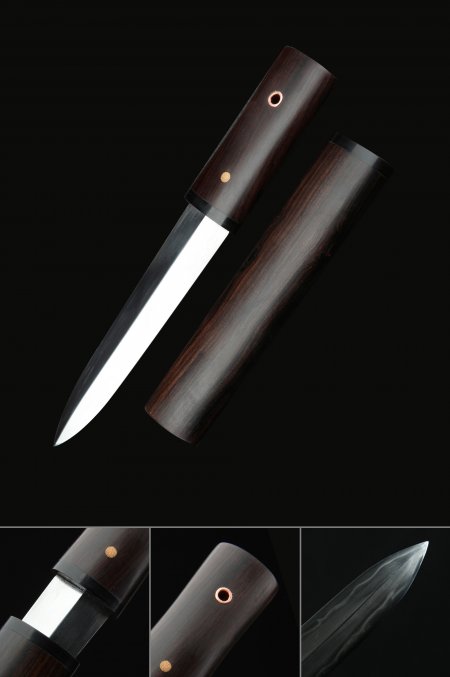
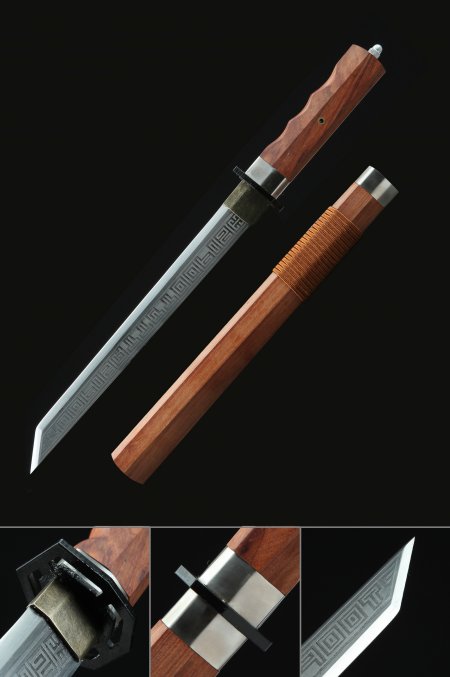
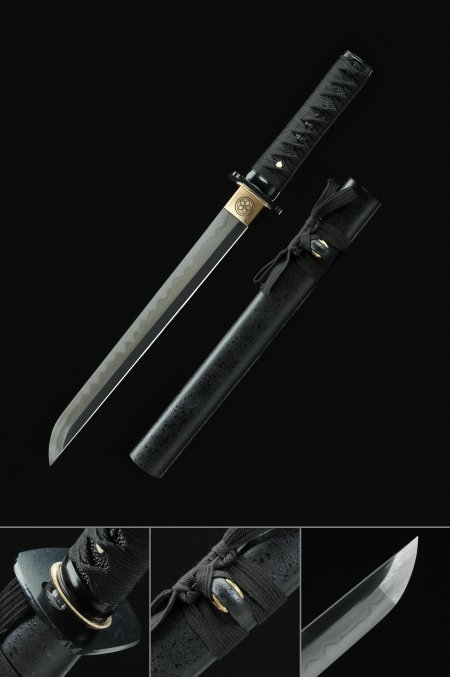
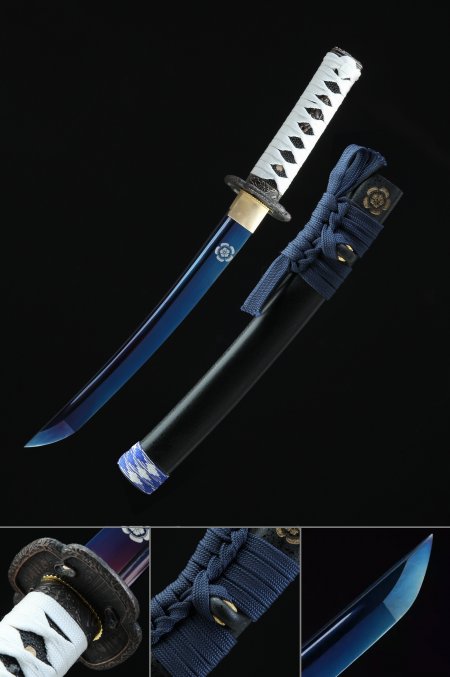
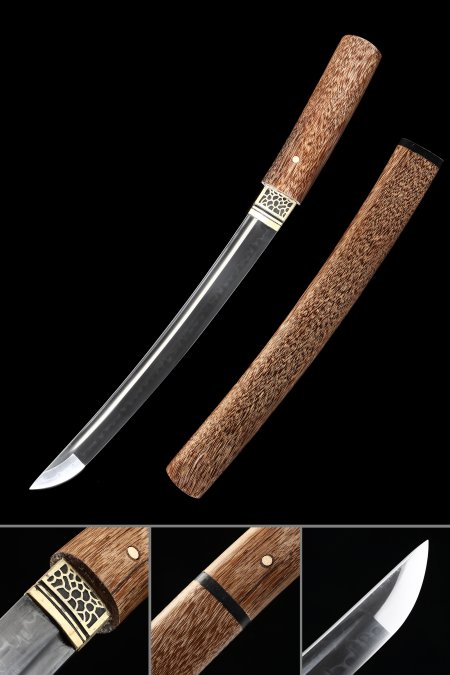
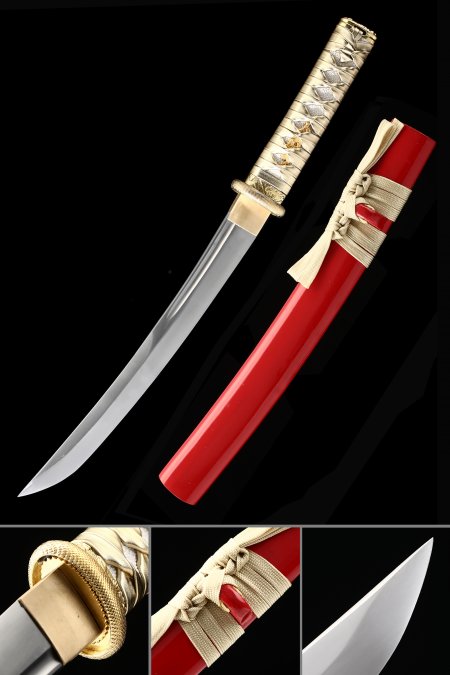
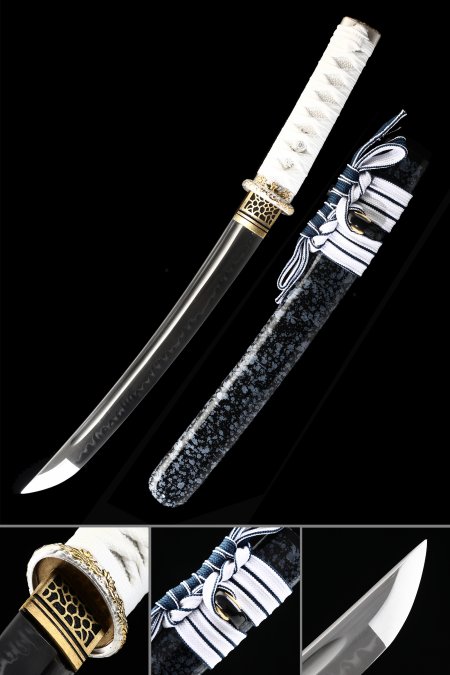
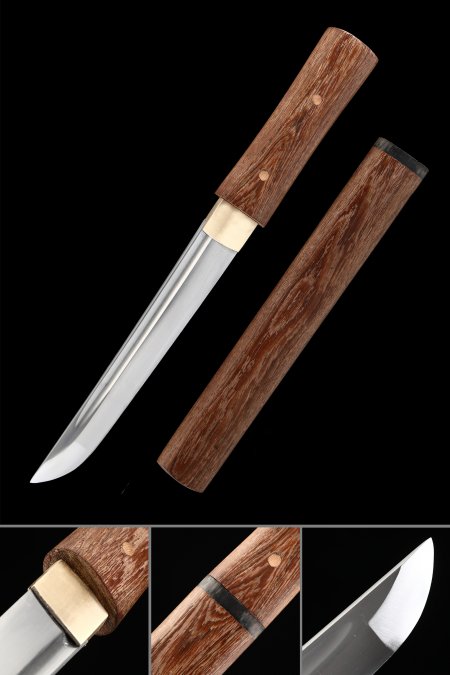
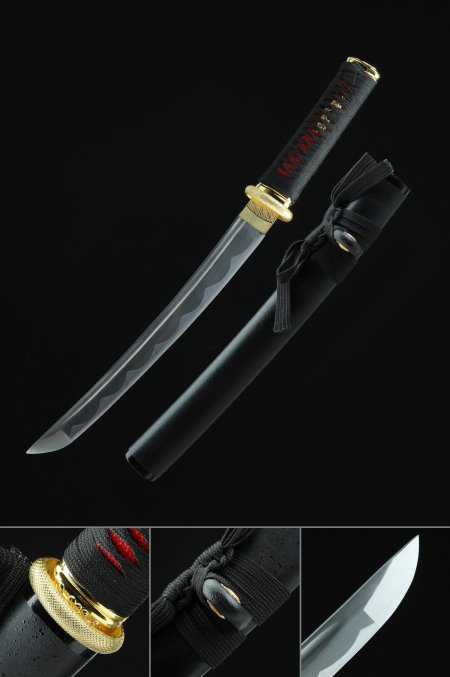
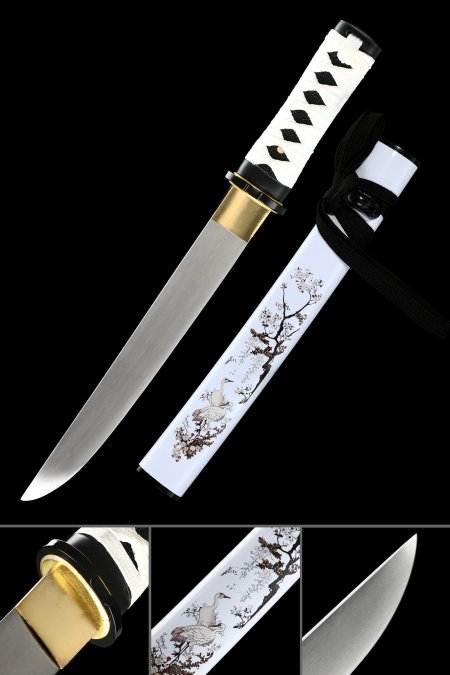
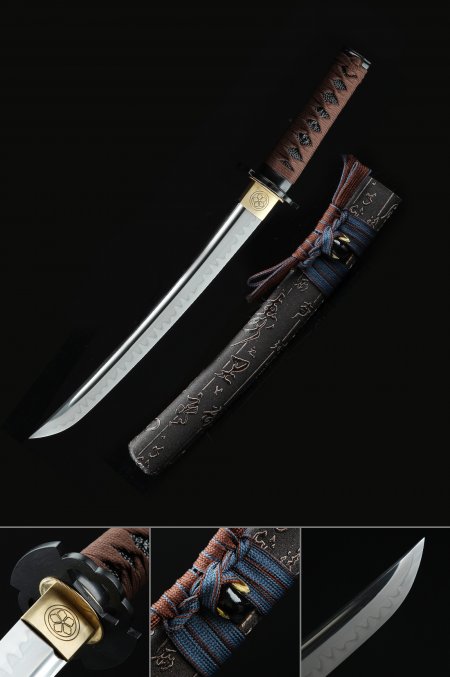
A hamidashi tsuba is distinguished by its minimal projection — it extends only slightly, if at all, beyond the diameter of the handle, creating an almost flush transition between tsuba and grip. A standard tanto tsuba projects more noticeably outward, functioning as a defined hand stop. The hamidashi style was developed as a refined, understated alternative popular during the Edo period, favored when the overall aesthetic of the mounting called for clean, uninterrupted lines. On collectible pieces, the hamidashi guard is typically cast or shaped from bronze, brass, or shakudo, and its small surface area often features engraved or relief decoration that would be lost on a larger guard.