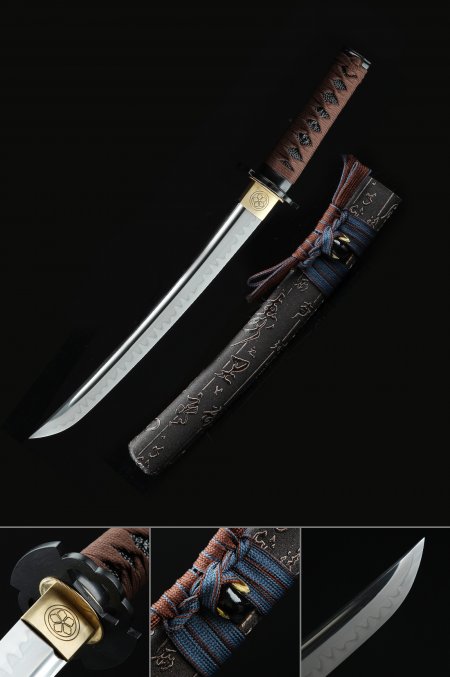
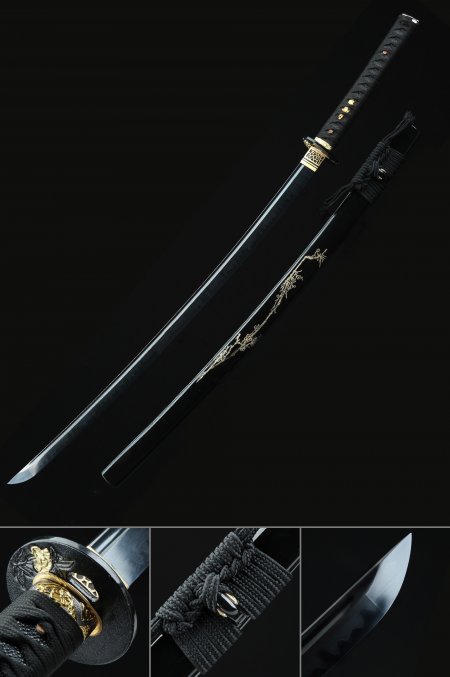
How does a real hamon differ from an etched one on a wakizashi blade?

 Updated Mar 2026

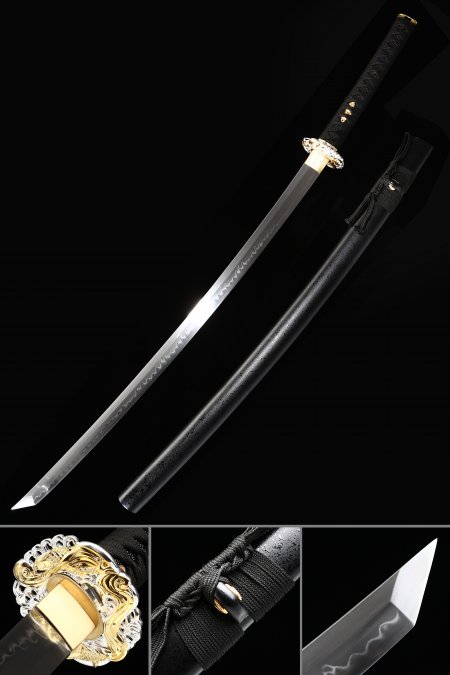
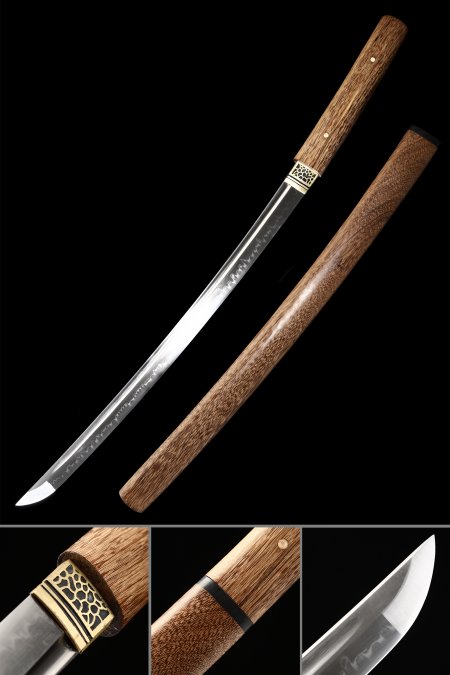
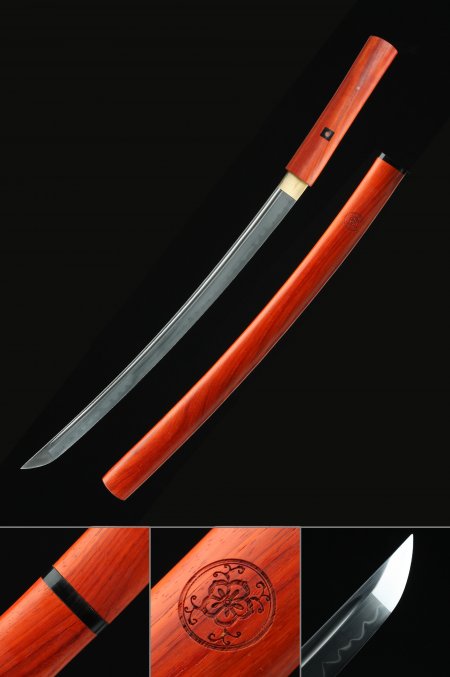
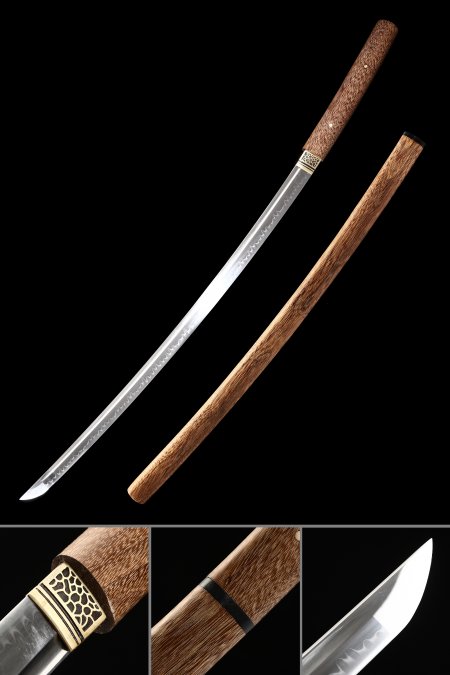
A genuine hamon is produced through clay tempering - a process where the bladesmith applies a layer of clay along the spine before the final quench, causing the edge and spine to cool at different rates. This differential hardening creates a visible crystalline boundary along the blade known as the hamon, which has a soft, cloudy quality and subtle activity when examined under light. An etched or acid-washed hamon, by contrast, is applied chemically to the surface of a uniformly heat-treated blade and tends to look sharper, more uniform, and less varied in texture. For collectors, a clay-tempered hamon on T10 or high-carbon steel is a meaningful indicator of authentic production technique and adds lasting display and appreciation value to the piece.
Popular Products

20% OFFblue katana
209.00 USD
259.00 USD
20% OFFjapanese katana
209.00 USD
259.00 USD
15% OFFjapanese katana
199.00 USD
239.00 USD
20% OFFjapanese katana
169.00 USD
209.00 USD
15% OFFpink katana
189.00 USD
219.00 USD
15% OFFblack katana
199.00 USD
229.00 USD
20% OFFshirasaya wakizashi
179.00 USD
219.00 USD
20% OFF
259.00 USD
329.00 USD
20% OFFshirasaya wakizashi
219.00 USD
269.00 USD
20% OFFshirasaya katana
209.00 USD
259.00 USD
15% OFFtanto sword
179.00 USD
209.00 USD
20% OFFblack katana
209.00 USD
259.00 USD
20% OFFblue katana
209.00 USD
259.00 USD
20% OFFjapanese katana
209.00 USD
259.00 USD
15% OFFjapanese katana
199.00 USD
239.00 USD
20% OFFjapanese katana
169.00 USD
209.00 USD
15% OFFpink katana
189.00 USD
219.00 USD
15% OFFblack katana
199.00 USD
229.00 USD
20% OFFshirasaya wakizashi
179.00 USD
219.00 USD
20% OFF
259.00 USD
329.00 USD
20% OFFshirasaya wakizashi
219.00 USD
269.00 USD
20% OFFshirasaya katana
209.00 USD
259.00 USD
15% OFFtanto sword
179.00 USD
209.00 USD
20% OFFblack katana
209.00 USD
259.00 USD

Explore Our Collections