How does clay tempering affect a display wakizashi's hamon?

 Updated Mar 2026

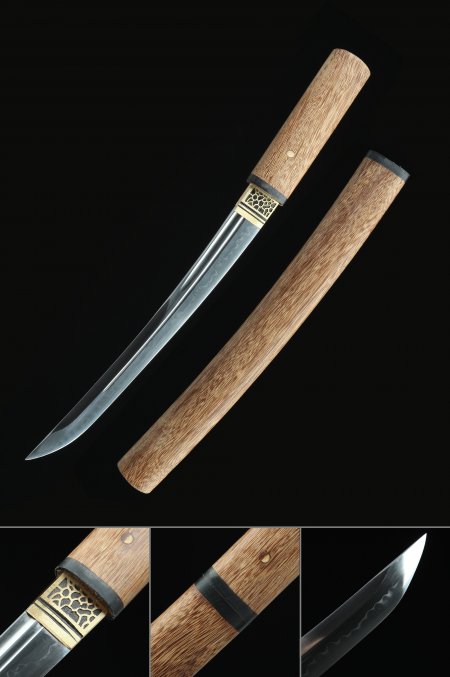
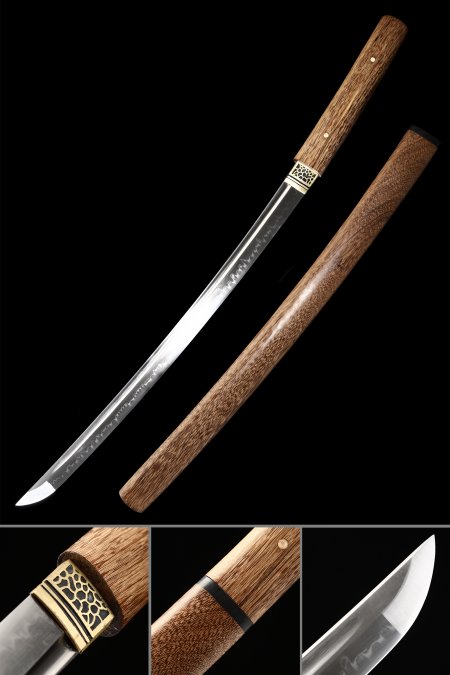
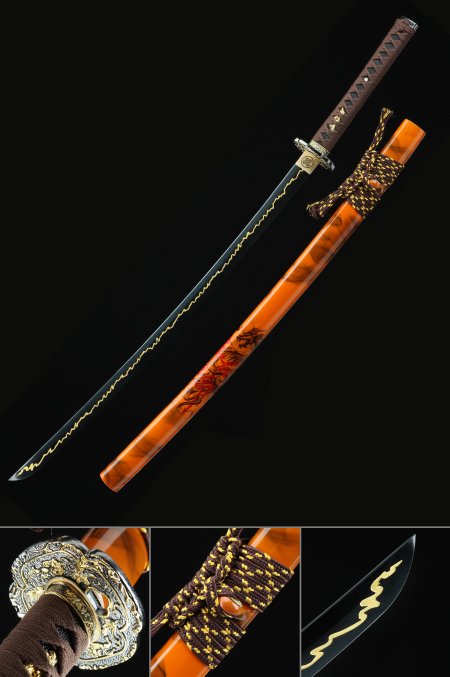
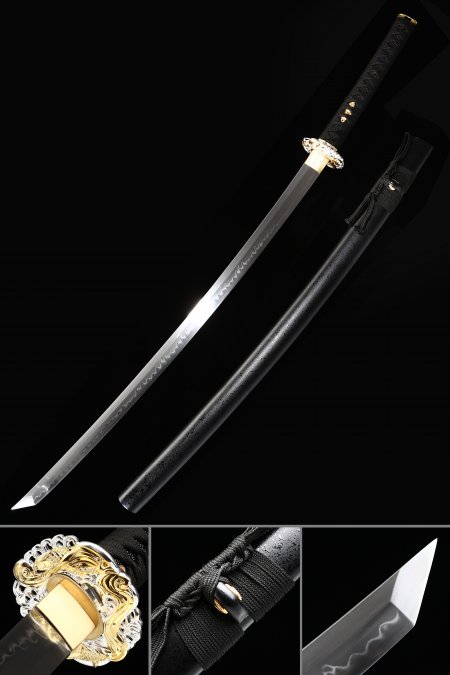
Clay tempering — called tsuchioki in traditional smithing — involves applying a clay mixture unevenly along the blade before the final quench. The clay-coated spine cools slowly, staying relatively soft, while the exposed edge cools rapidly and hardens. This differential hardening creates the hamon: a visible temper line of crystalline activity running along the blade's length. Unlike machine-etched or acid-applied hamon found on budget pieces, a genuine clay-tempered hamon on a T10 steel wakizashi is a permanent metallurgical feature — not a surface pattern that can wear away. Under proper lighting, the transition zone shows activity patterns like nie (small martensitic crystals) that vary uniquely from blade to blade, making each display piece individually distinct.
Popular Products

15% OFFshirasaya tanto
149.00 USD
179.00 USD
20% OFFchokuto sword
159.00 USD
199.00 USD
15% OFFred katana
199.00 USD
229.00 USD
15% OFFshirasaya tanto
149.00 USD
179.00 USD
15% OFFpink katana
189.00 USD
219.00 USD
20% OFFfull tang katana
319.00 USD
399.00 USD
20% OFF
259.00 USD
329.00 USD
20% OFFshirasaya wakizashi
179.00 USD
219.00 USD
15% OFFwhite katana
209.00 USD
249.00 USD
20% OFFblue katana
209.00 USD
259.00 USD
15% OFFjapanese katana
199.00 USD
239.00 USD
15% OFFblack katana
199.00 USD
229.00 USD
15% OFFshirasaya tanto
149.00 USD
179.00 USD
20% OFFchokuto sword
159.00 USD
199.00 USD
15% OFFred katana
199.00 USD
229.00 USD
15% OFFshirasaya tanto
149.00 USD
179.00 USD
15% OFFpink katana
189.00 USD
219.00 USD
20% OFFfull tang katana
319.00 USD
399.00 USD
20% OFF
259.00 USD
329.00 USD
20% OFFshirasaya wakizashi
179.00 USD
219.00 USD
15% OFFwhite katana
209.00 USD
249.00 USD
20% OFFblue katana
209.00 USD
259.00 USD
15% OFFjapanese katana
199.00 USD
239.00 USD
15% OFFblack katana
199.00 USD
229.00 USD

Explore Our Collections