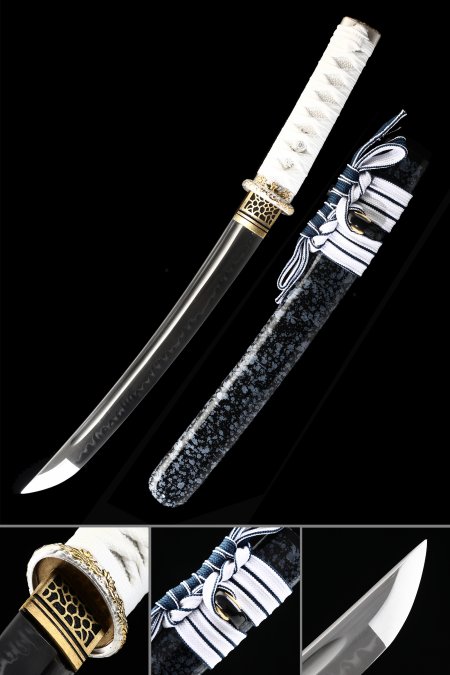
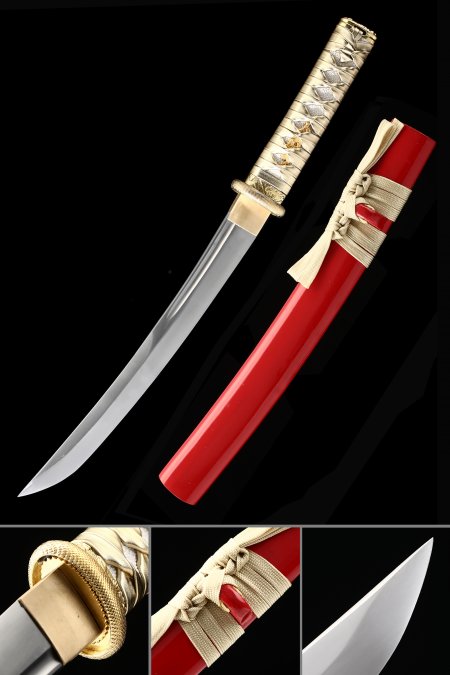
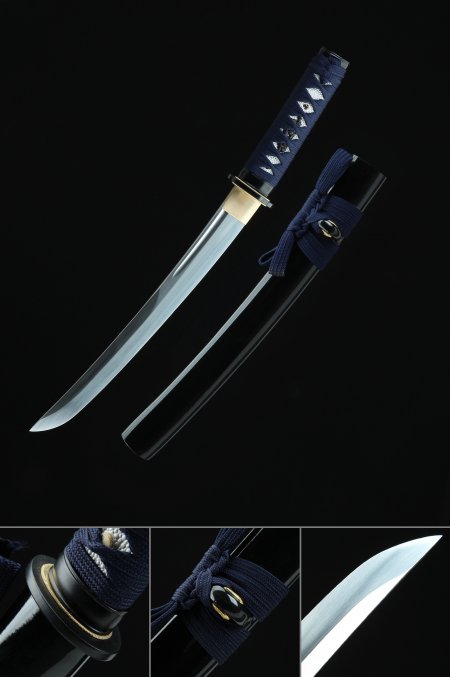
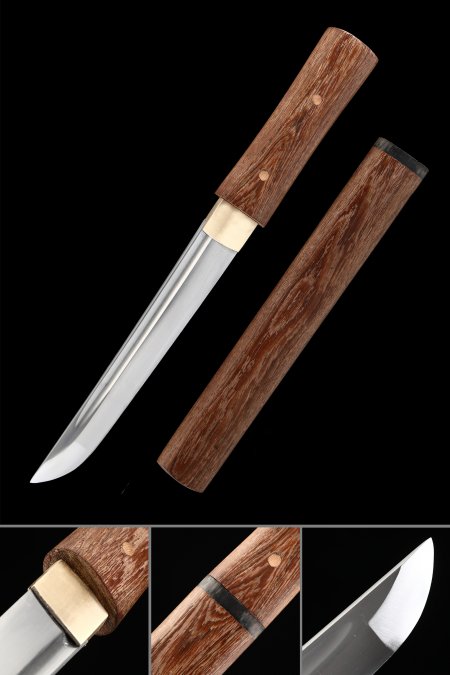
What makes white ito wrapping historically significant on a tanto?
Updated Mar 2026
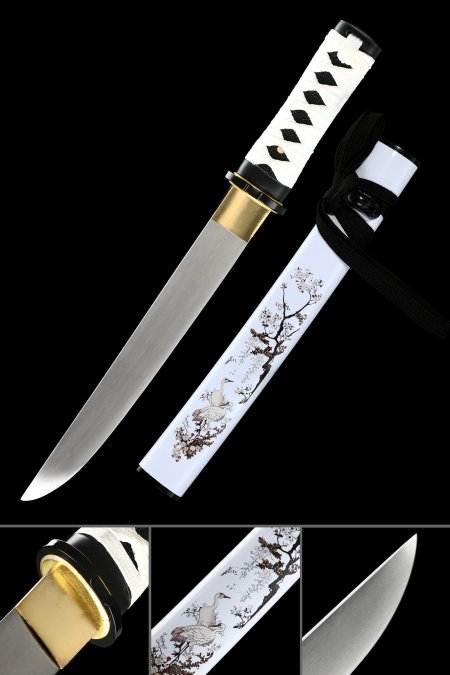
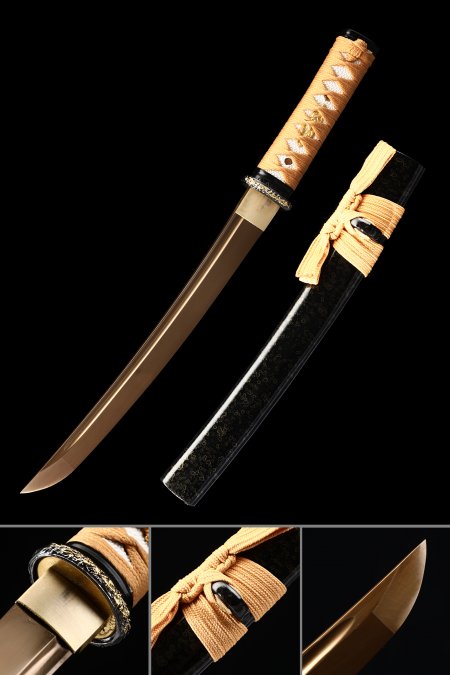
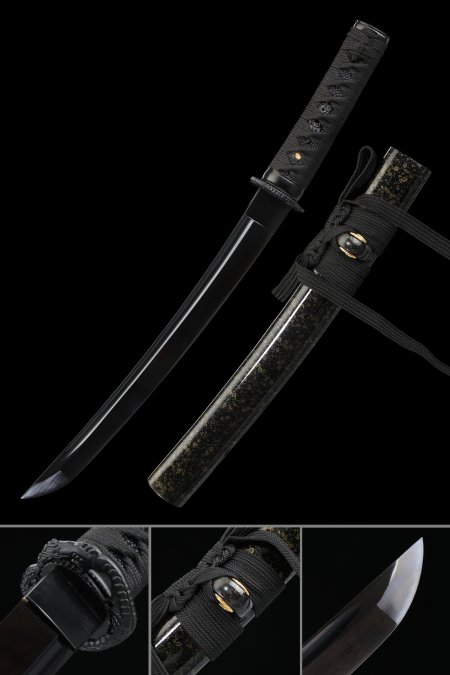
White ito - the cord wrapped around the tsuka - was historically reserved for formal and ceremonial mountings in Japanese blade culture, where the color carried associations with purity and elevated status. Unlike black or brown ito, which appear on everyday working mounts, white wrapping signals a piece intended for presentation or distinction. On a collectible tanto, this detail roots the piece in a specific aesthetic tradition, giving collectors a meaningful conversation point beyond the blade's geometry or steel type. The wrapping pattern itself, typically a diamond or bishamon style, also affects the final look: tighter, more uniform diamonds indicate careful hand-application and are a reliable indicator of overall craftsmanship quality in the mounting.