White Handle Tanto

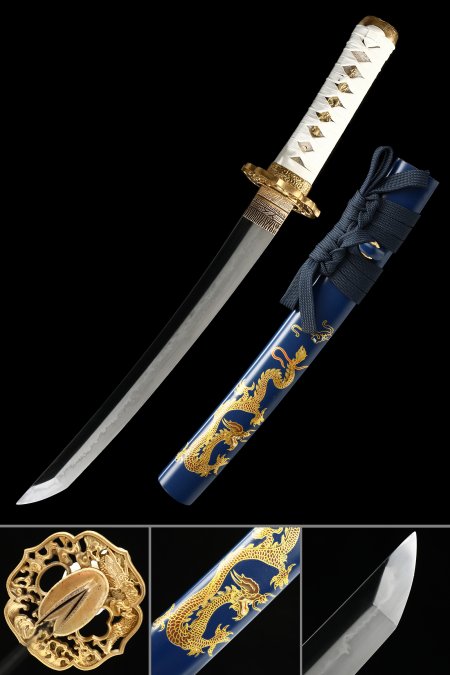
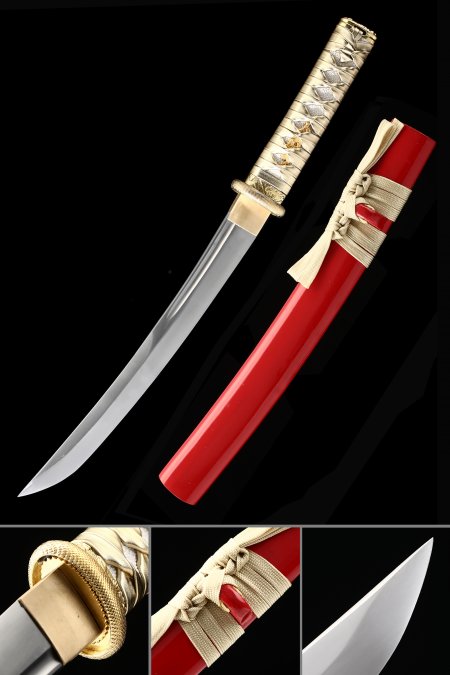
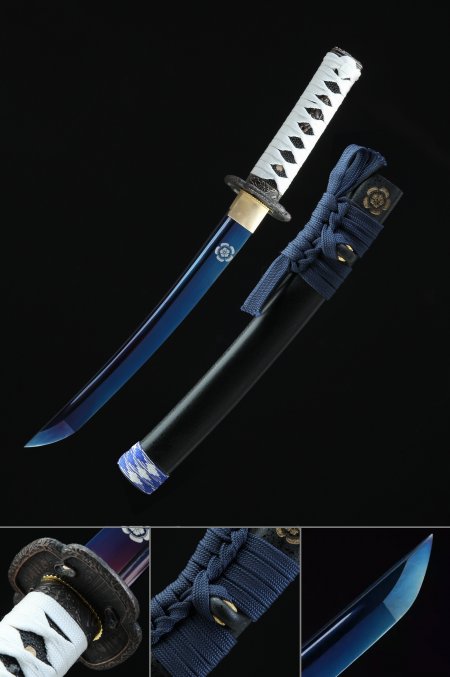
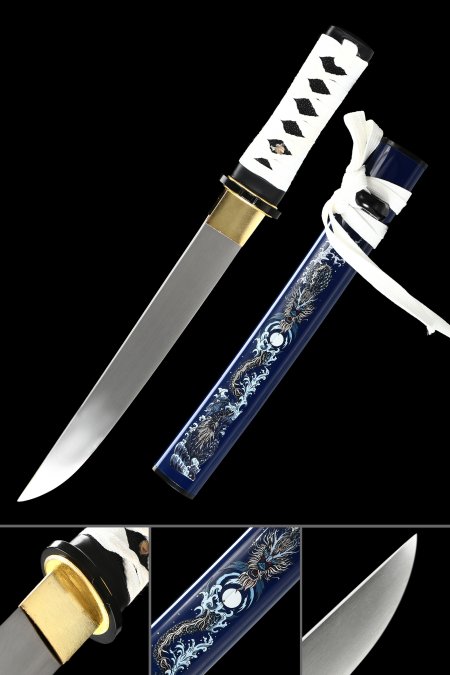
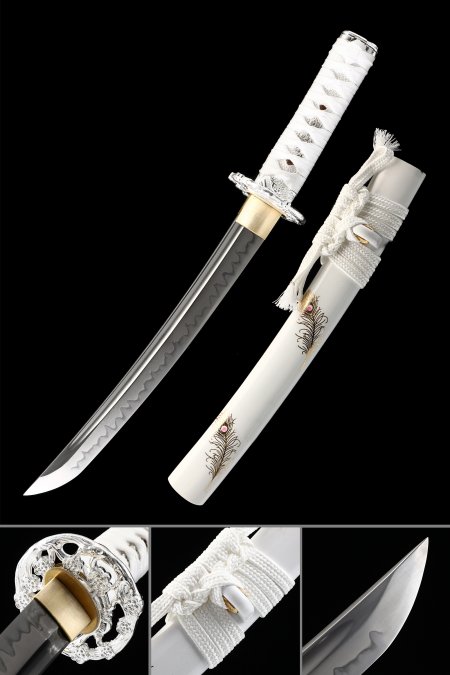
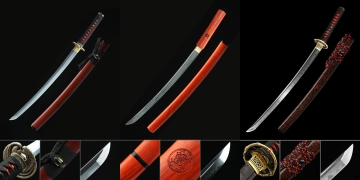
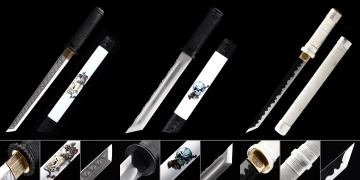
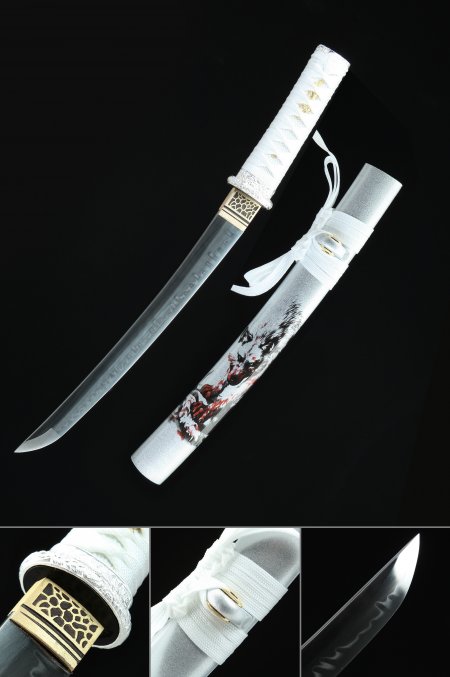
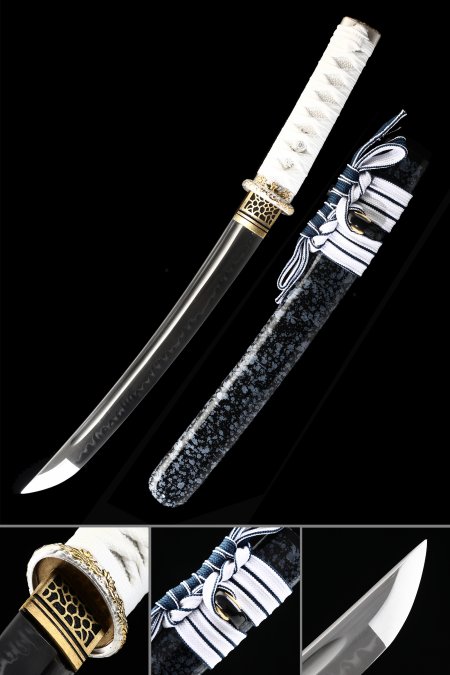
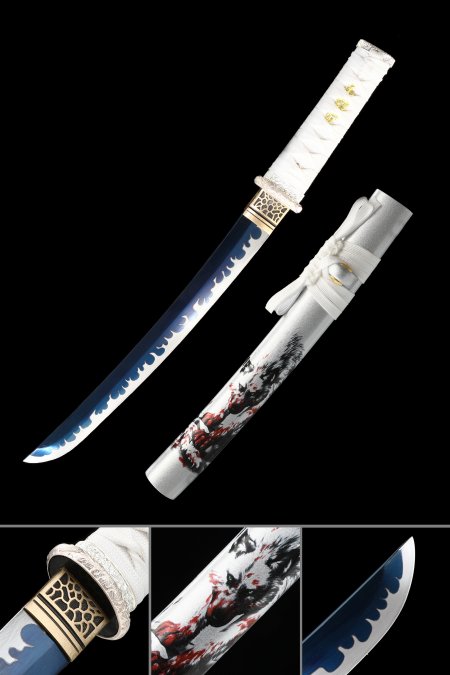
White handle tanto collectibles bring together the crisp elegance of white ito-wrapped tsuka and the refined artistry of traditional Japanese short-blade craftsmanship. Each piece in this collection features carefully selected high-carbon or manganese steel, hand-applied lacquer saya, and ornamental fittings - details that reward the discerning collector. Enjoy free standard shipping on every order, plus hassle-free returns so you can collect with complete confidence.
Showing 8 Products

Related Collections

White Katana56 items


787 Reviews

Red Wakizashi7 items


64 Reviews

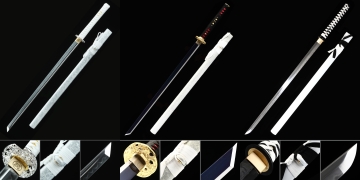
White Ninjato3 items


23 Reviews

White Hamidashi3 items


4 Reviews

Frequently Asked Questions

What makes white ito wrapping historically significant on a tanto?
White ito - the cord wrapped around the tsuka - was historically reserved for formal and ceremonial mountings in Japanese blade culture, where the color carried associations with purity and elevated status. Unlike black or brown ito, which appear on everyday working mounts, white wrapping signals a piece intended for presentation or distinction. On a collectible tanto, this detail roots the piece in a specific aesthetic tradition, giving collectors a meaningful conversation point beyond the blade's geometry or steel type. The wrapping pattern itself, typically a diamond or bishamon style, also affects the final look: tighter, more uniform diamonds indicate careful hand-application and are a reliable indicator of overall craftsmanship quality in the mounting.
How does T10 steel differ from 1090 in a tanto blade?
Both T10 and 1090 are high-carbon steels, but they differ in composition and behavior during heat treatment. T10 contains a small amount of silicon and has a slightly higher carbon content, which makes it particularly responsive to clay tempering - the process that produces a visible hamon. That real hamon, an organic temper line that forms at the boundary between hardened edge and softer spine, is the primary reason collectors seek T10 tanto. It cannot be artificially etched or simulated convincingly up close. 1090 carbon steel, by contrast, has a cleaner, more consistent grain that polishes to a bright mirror surface, making it ideal for display pieces where overall blade clarity matters more than temper-line detail. Neither is objectively superior; the choice depends on what the collector values most in the piece.
What is the best way to store a lacquered saya tanto for long-term display?
Lacquered saya are durable but sensitive to prolonged moisture and direct sunlight. For long-term display, keep the tanto in an environment with stable humidity - ideally between 40% and 60% relative humidity. High humidity can cause the lacquer to develop micro-cracks over time, while very dry conditions may cause the wood substrate to shrink and separate from the lacquer layer. Avoid placing the piece near windows where UV exposure can fade hand-painted designs and yellow white ito over months. If the tanto is stored rather than displayed, a paulownia wood box or a cloth bag treated with light sword oil at the closure points provides good passive humidity buffering. The blade itself should be lightly coated with choji oil before long-term storage to prevent any surface oxidation, applied with a soft cloth in thin, even strokes.
Can a white handle tanto work as a display gift for someone new to collecting?
A white handle tanto is actually one of the more approachable entry points for gifting within Japanese blade collecting. The visual impact is immediate - the high-contrast white tsuka against a painted or lacquered saya photographs well, displays cleanly on a stand, and requires no prior knowledge to appreciate aesthetically. For someone newer to the hobby, pieces featuring hand-painted saya designs like the wolf or dragon motifs provide an accessible narrative that makes the object interesting before the recipient has built deep knowledge of steel types or fittings. Pairing it with a simple horizontal tanto stand elevates the presentation and gives the recipient a ready-made display solution. It's a more considered and culturally grounded gift than decorative items with no craft heritage behind them.
What tsuba styles are typically paired with white ito tanto?
In this collection, tsuba choices lean toward gold alloy and silver dragon designs, which are deliberate pairings that amplify the formal tone of the white ito. Gold tsuba create a warm contrast against the cooler white cord, evoking the richness of Edo-period ornamental mounts. Silver or polished metal tsuba with dragon motifs add a colder, more dramatic edge - particularly effective when the saya features blue lacquer or painted blue flame designs. From a collector's standpoint, the tsuba is the natural focal point at the transition between blade and handle, so its finish and motif set the overall aesthetic register of the piece. A heavily detailed dragon tsuba signals a showpiece orientation, while a simpler oval or geometric guard suggests a more restrained, classical sensibility.

Customer Reviews

David Boles Georgia, United States

The Sword I ordered was a gift for my son that he picked out. I was skeptical since I was unfamiliar with the company. I even tried to get him to wait and do some research before making a purchase, but he said this sword was the one he wanted. The shipping time was reasonable and the quality of the sword was honestly a lot more than I was expecting The blade is solid and the handle is also well made. It is a beautiful sword, my son loves it, and I would definitely order from this company again in the future.

Ghost of Tsushima Tanto - Jin Sakai Short Sword Replica, 1065 Carbon Steel, Blue Blade Ghost of Tsushima Tanto - Jin Sakai Short Sword Replica, 1065 Carbon Steel, Blue Blade
Cart 0 Items

Your cart is empty