Is Damascus steel in a tanto purely decorative or does it have structural value?
Updated Mar 2026
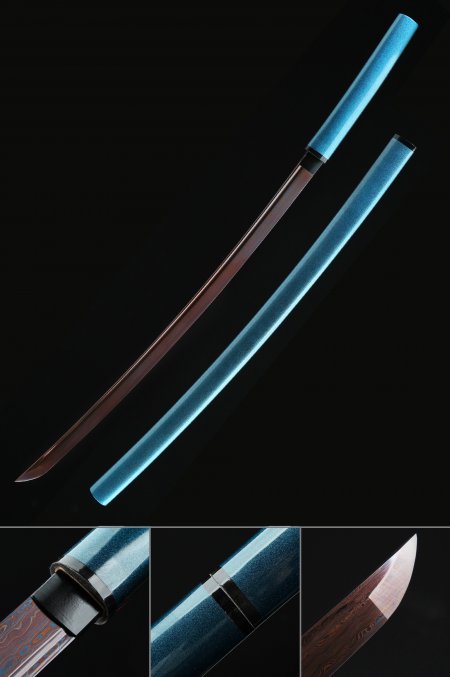
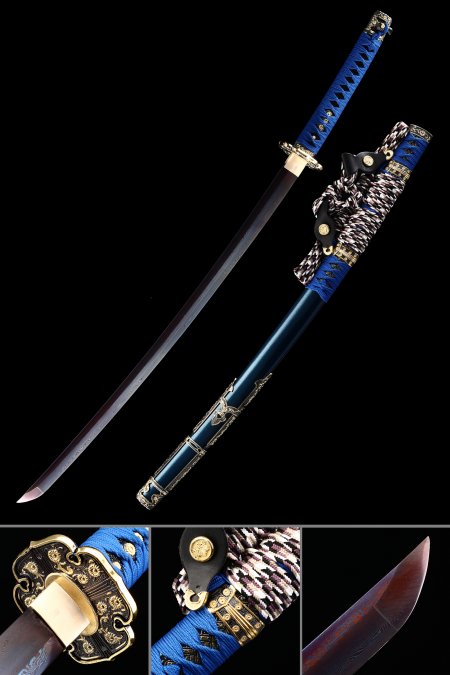
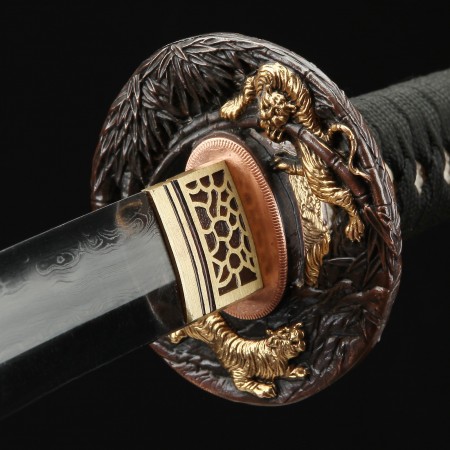
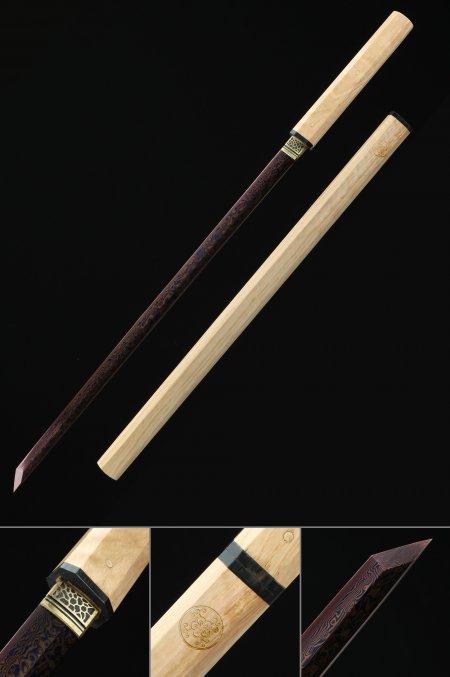
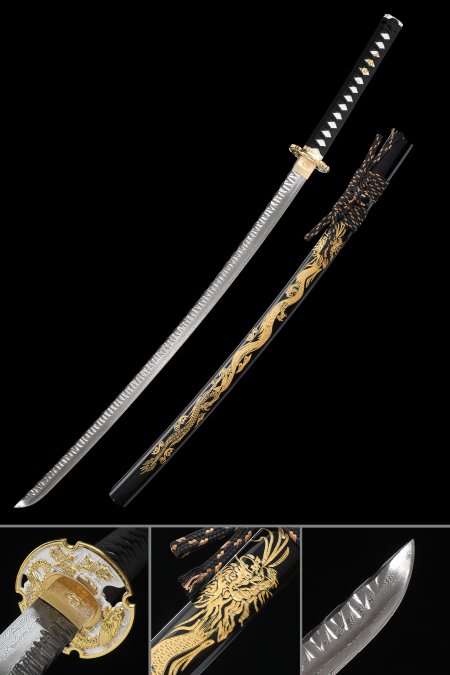
Damascus steel in modern tanto production refers to pattern-welded billets, where two or more steel types are forge-welded, twisted, and drawn out repeatedly to produce layered grain patterns. The visual result - flowing lines across the flat of the blade - is genuinely structural, not surface-applied. The layer count and steel combination affect both the aesthetic and the mechanical properties of the finished blade. Higher-layer Damascus tends to show finer, more complex patterning, while lower-layer constructions produce bolder, more graphic grain. From a collecting standpoint, Damascus tanto are highly individual: because the pattern emerges from the forging process itself, no two blades are identical, which is a meaningful distinction for display collectors building a unique arrangement.