FAST SHIP
Free Shipping
89.00 USD
ON SALE! 15% OFF
Was: 109.00 USD

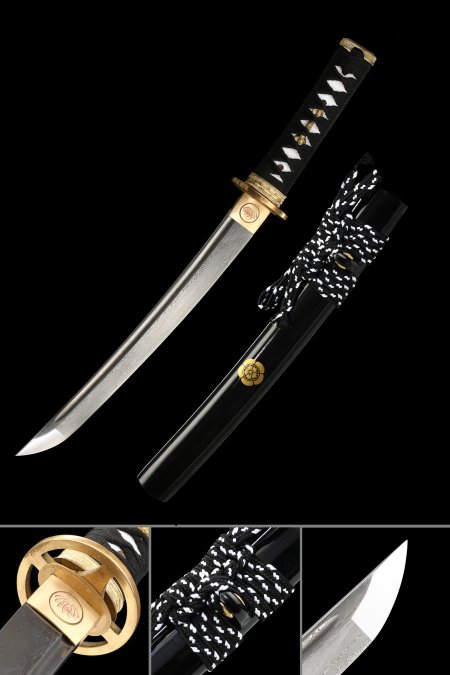
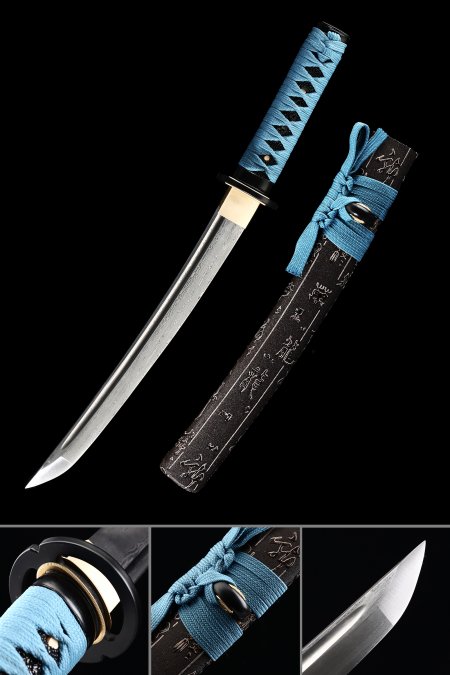
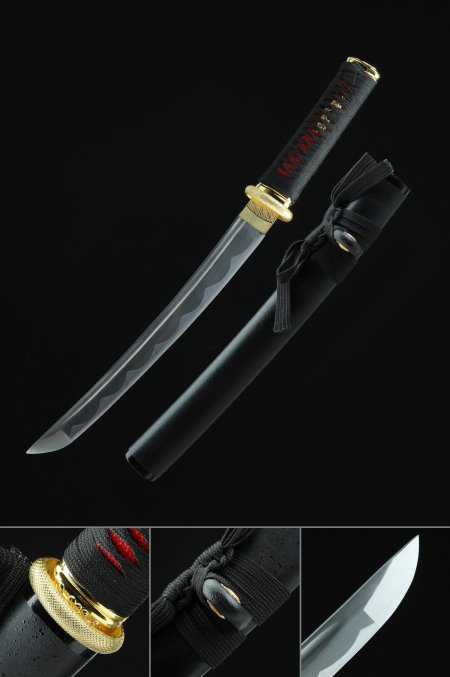
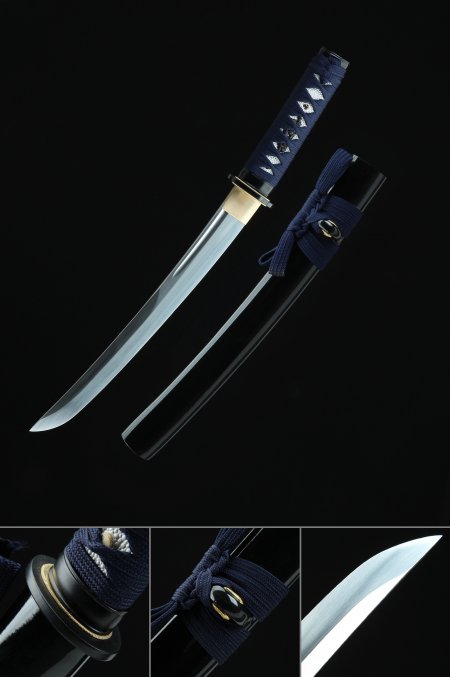
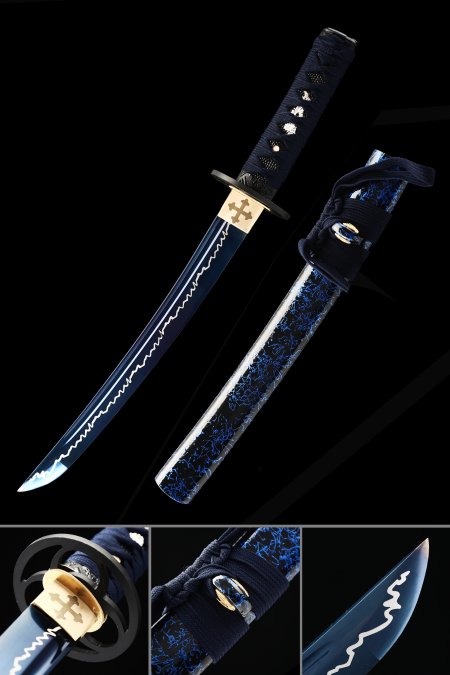
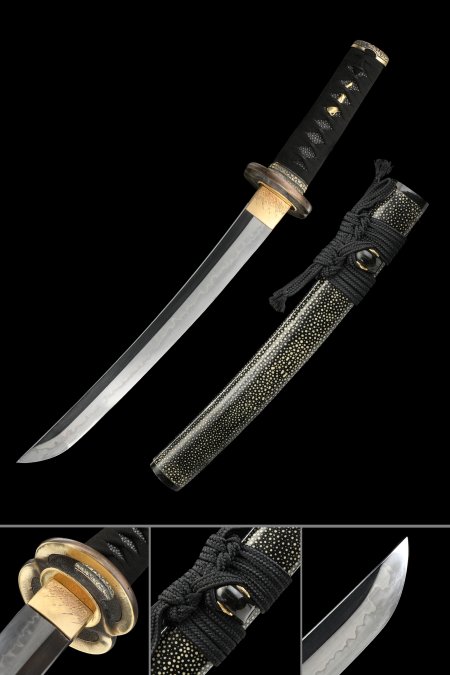
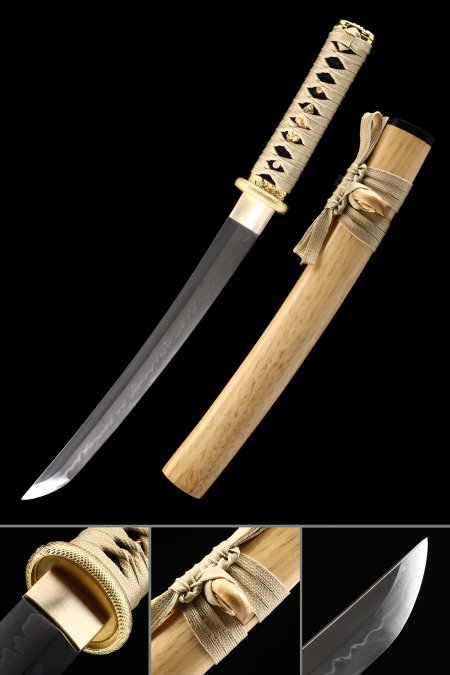
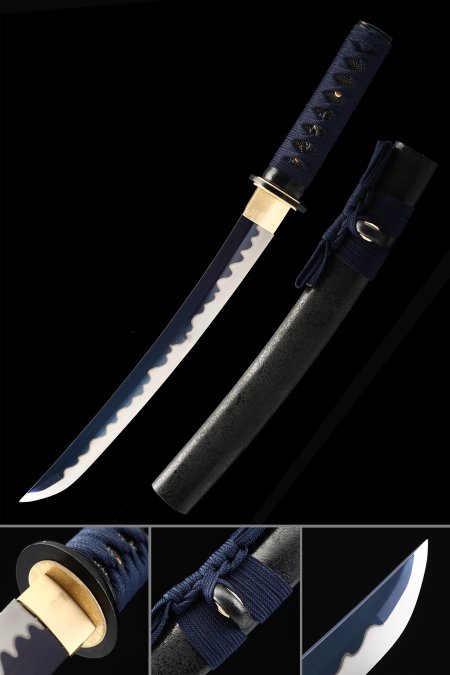
Round plain tsuba tanto swords bring a refined minimalism to Japanese short sword collecting - the unadorned circular guard letting the blade geometry and handle craftsmanship speak for themselves. Each piece in this collection is built on a full-tang construction with hand-fitted components, available in steel grades ranging from 1045 carbon to T10 clay-tempered and Damascus. Enjoy free standard shipping on every order, plus hassle-free returns so you can collect with confidence.
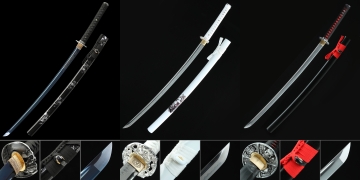
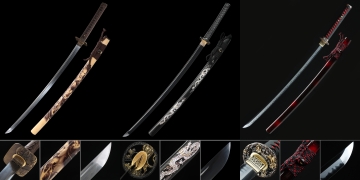
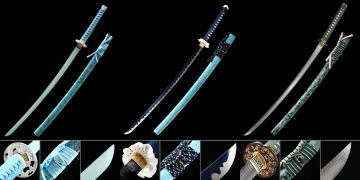
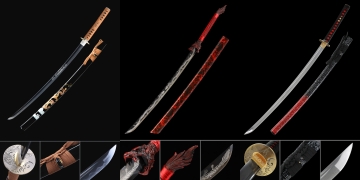
Order was great. One of the sheaths did have a crack in it but thats ok.
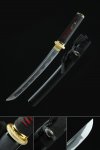 |
1045 Carbon Steel Tanto Sword with Black Matte Hardwood Saya and Gold Alloy Tsuba - Full Tang Japanese Short Sword |
I love it, the knot on the handle came off but is was no big deal easy fix, haven't used it a lot but is still sharp!!
|
1045 Carbon Steel Tanto Sword with Black Matte Hardwood Saya and Gold Alloy Tsuba - Full Tang Japanese Short Sword |
Love at first sight, will definitely purchase more from you guys
|
1045 Carbon Steel Tanto Sword with Black Matte Hardwood Saya and Gold Alloy Tsuba - Full Tang Japanese Short Sword |
My new beaty. Like picture shows Even better and very good craftmanship
|
1045 Carbon Steel Tanto Sword with Black Matte Hardwood Saya and Gold Alloy Tsuba - Full Tang Japanese Short Sword |
It's a little tight in the scabbard, and it seems that there was plastic stuffed inside it that I can't get out. Also, it is longer than I expected for a tanto, almost a wakizashi. But it's a good deal for only a hundred bucks.
|
1045 Carbon Steel Tanto Sword with Black Matte Hardwood Saya and Gold Alloy Tsuba - Full Tang Japanese Short Sword |
The communication could be better after the order is placed. The product was as advertised and is a very nice sword. Looking forward to practicing with it. Luckily the delivery occurred just before the tariff shipping fiasco that is currently going on.
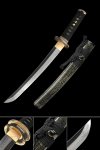 |
T10 Carbon Steel Tanto with Real Hamon in Black Rayskin Saya - Gold Alloy Tsuba |
This Tanto is simple and elegant. Just what I wanted. A couple of finish points could be improved, to be honest. The Saya, scabbard, had a small raised rough spot from debris in the finish. The point where the Habaki, ferrule, meets the blade at the Mune-Machi, notch at the back, is rough due to uneven surface match of the two metals. The Ha, cutting edge, had a bur. This was easy to remedy with less than five minutes of sharpening. Not razor sharp, but it will pop a few hairs. To be fair, the price was reasonable, it was handmade, and it was shipped quickly. Customer service was excellent for me. They responded in a timely manner and were very nice. This Tanto is well balanced, feels good in my hand, and displays well. I am happy with this knife. I collect knives and this one is a beauty.
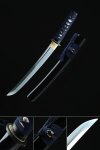 |
Manganese Steel Tanto Sword with Dark Blue Ito Wrap in Black Piano Lacquer Saya - Full Tang Collectible |
Honestly? It turned out a lot better than I expected. It had a decent weight. it's well balanced, and it comes sharpened and oiled. Not only that, but it just looks gorgeous. I got it as a gift for my old man, and boy did he love it. It's a great piece to have and to give as a gift, truly.
|
1045 Carbon Steel Tanto Sword with Black Matte Hardwood Saya and Gold Alloy Tsuba - Full Tang Japanese Short Sword |