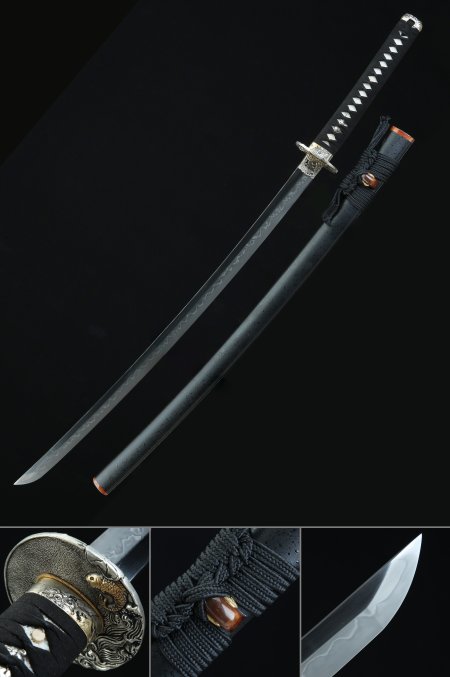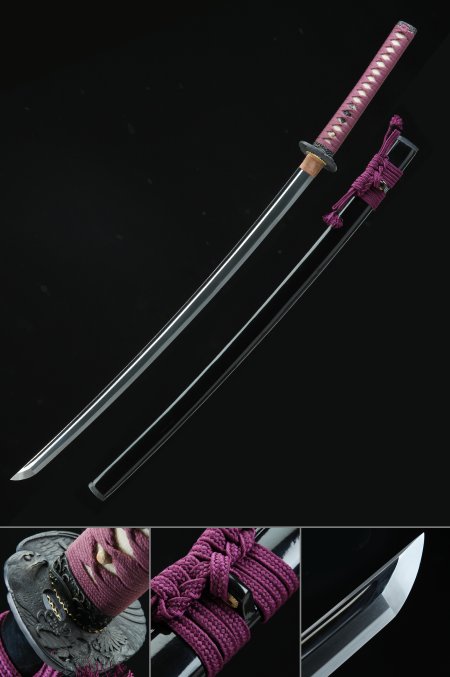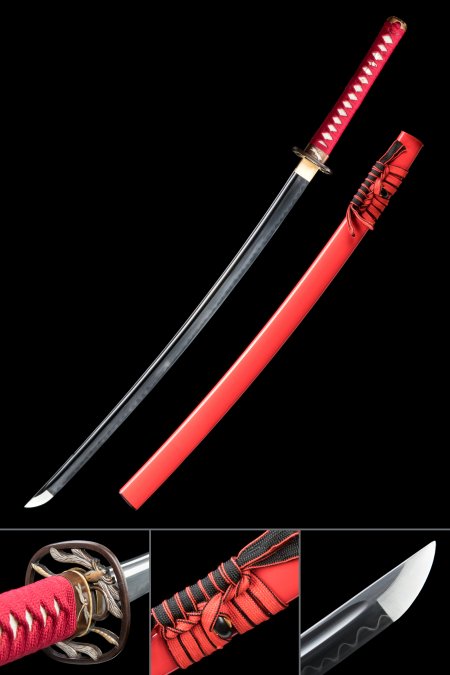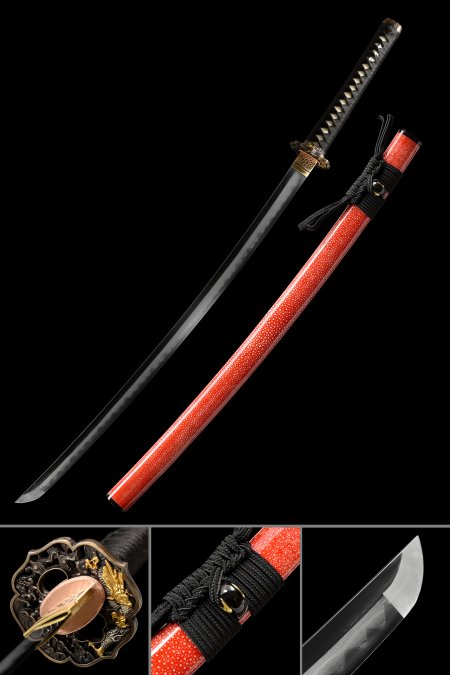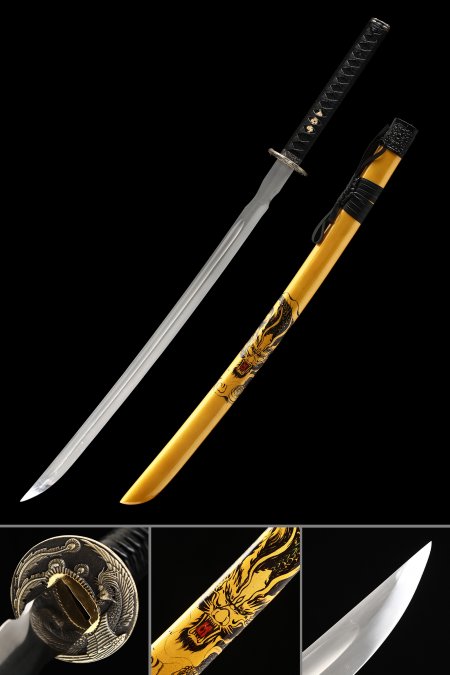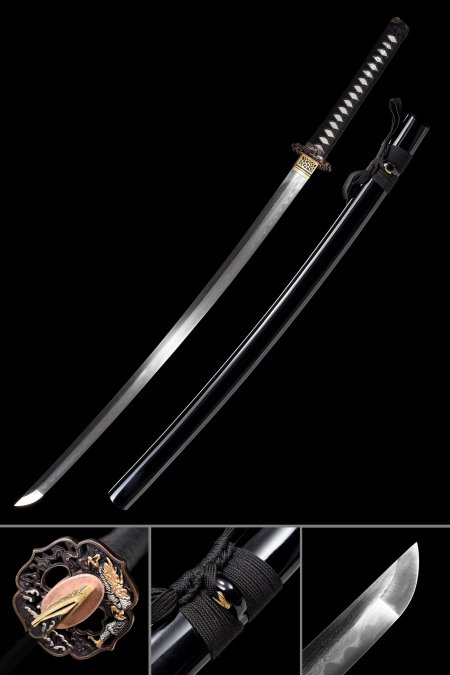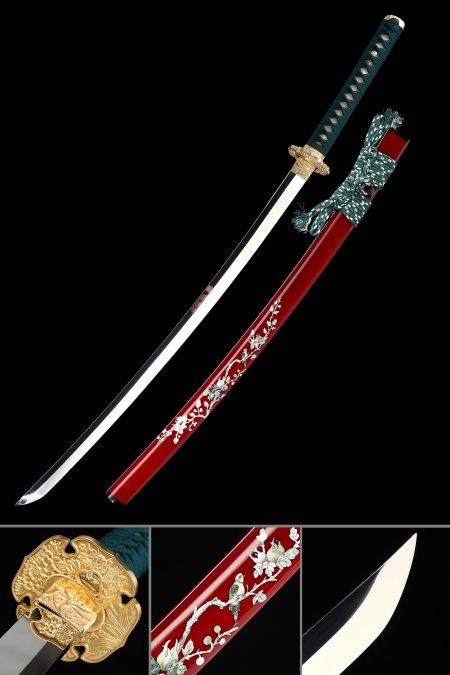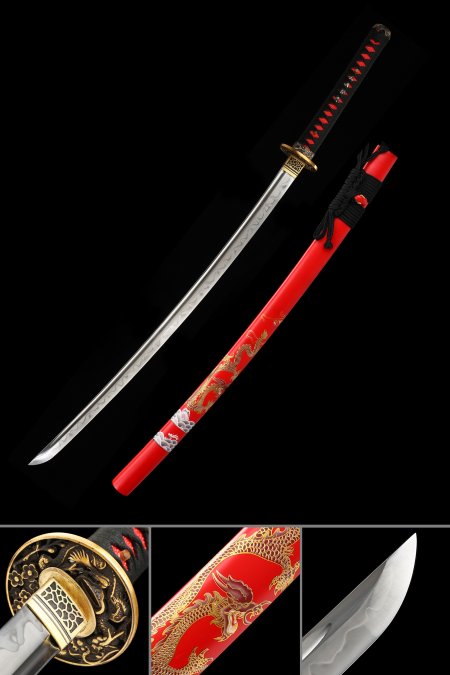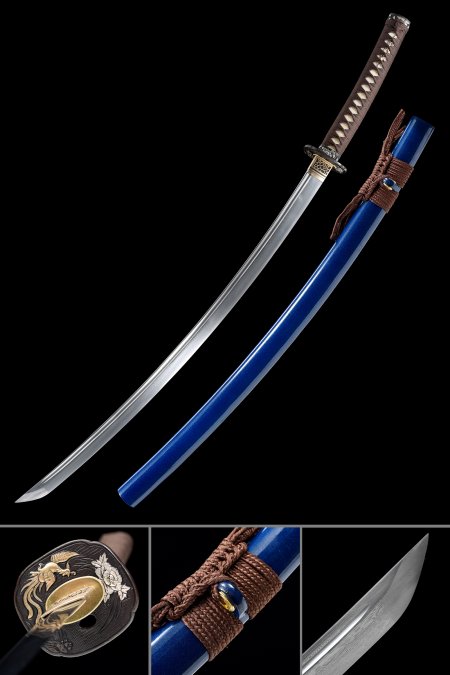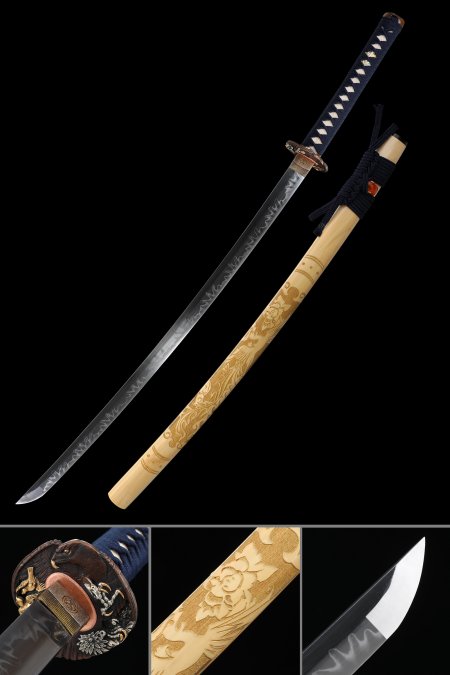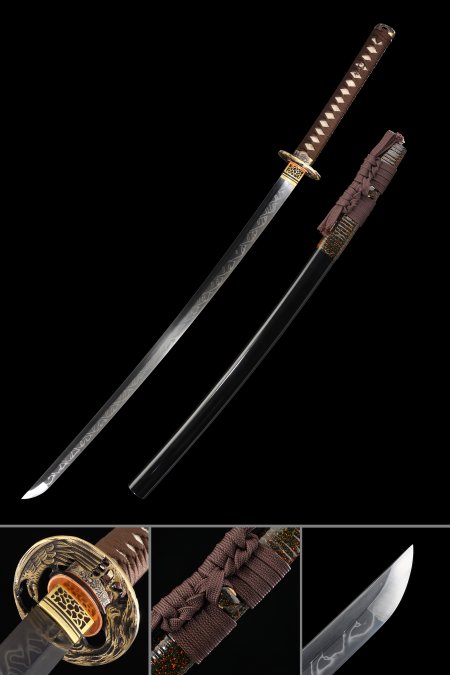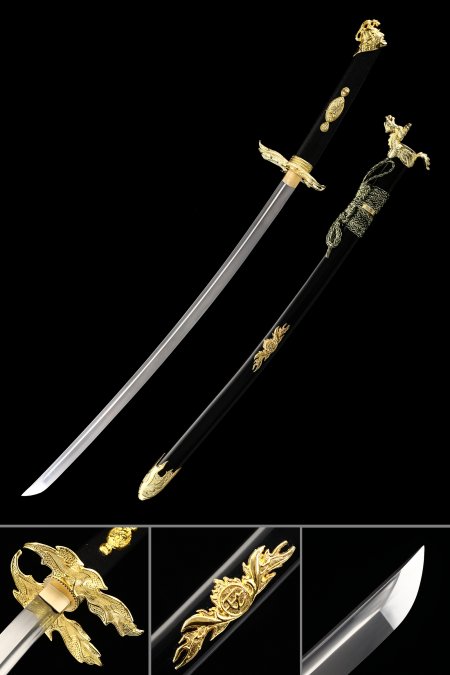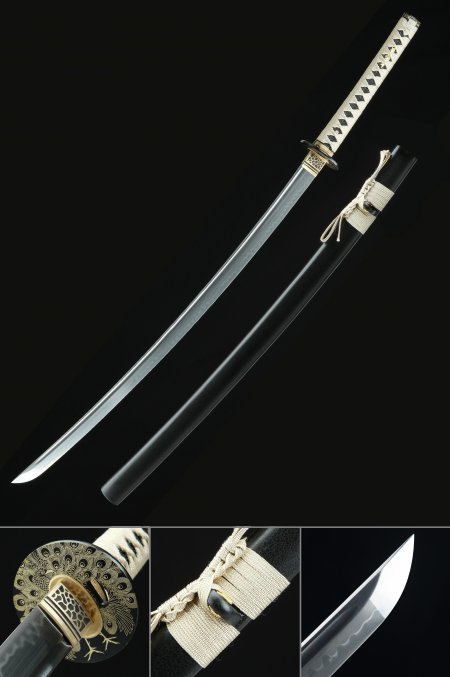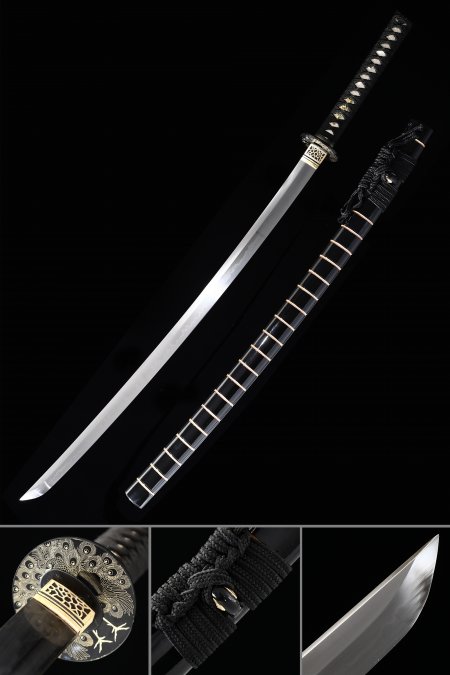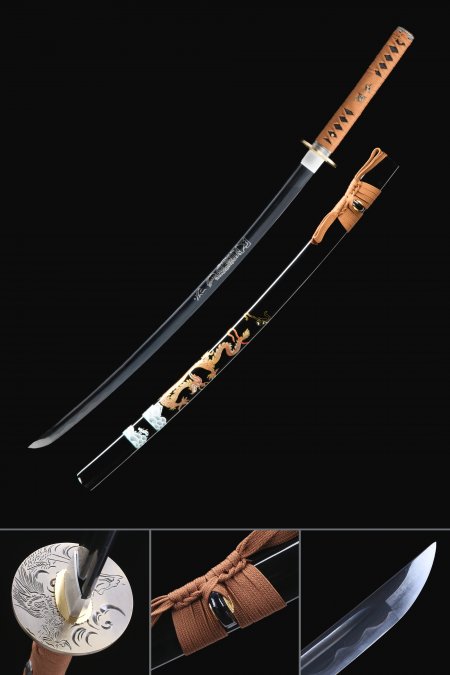
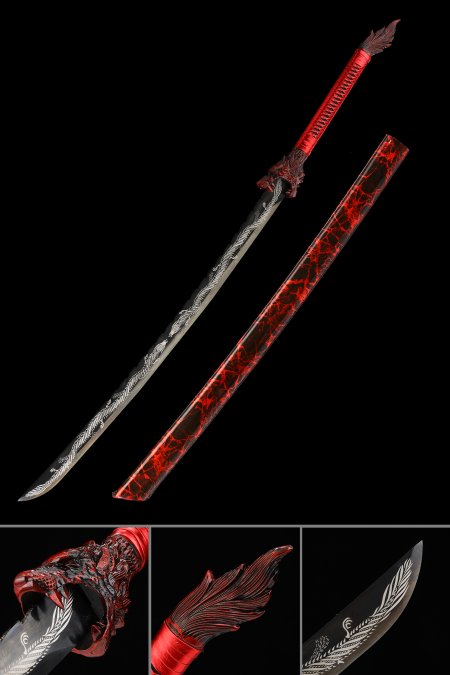
Phoenix Tsuba Katana

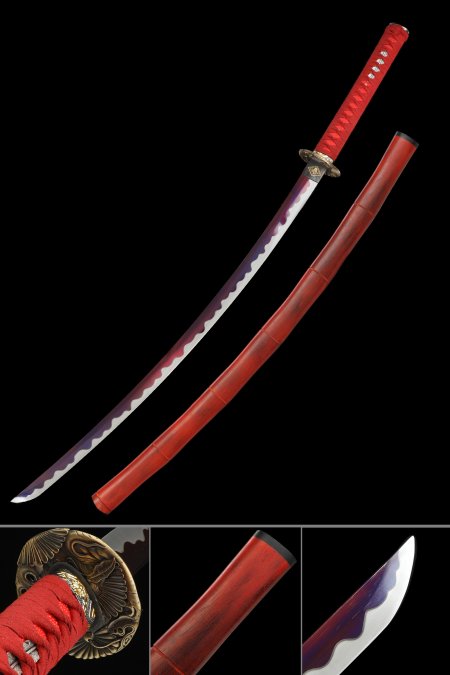
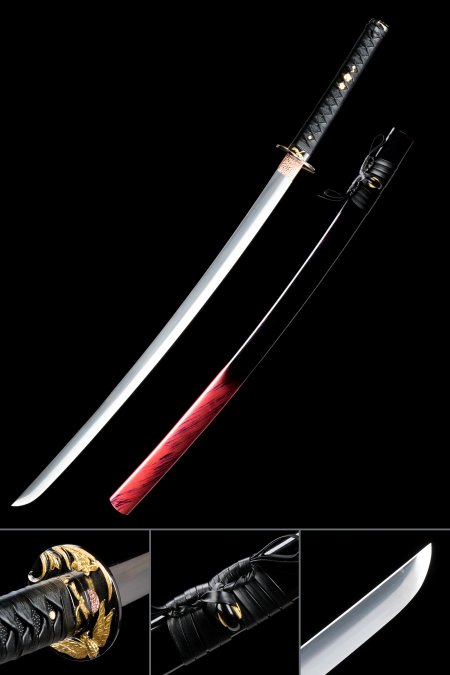
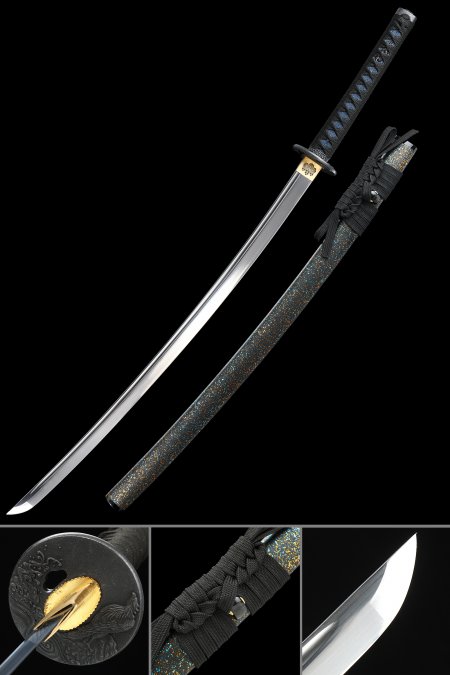
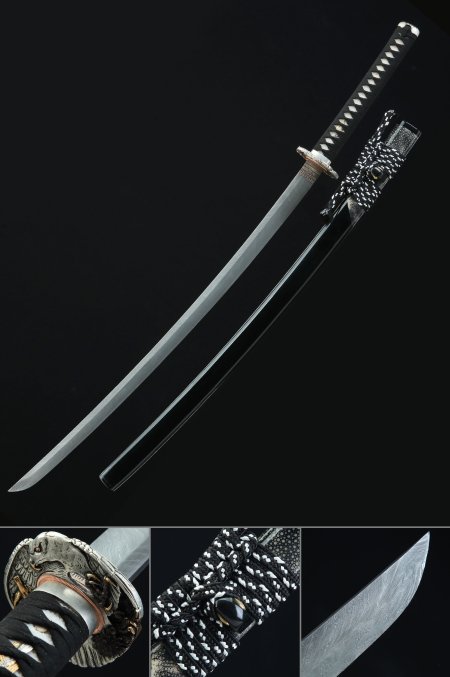
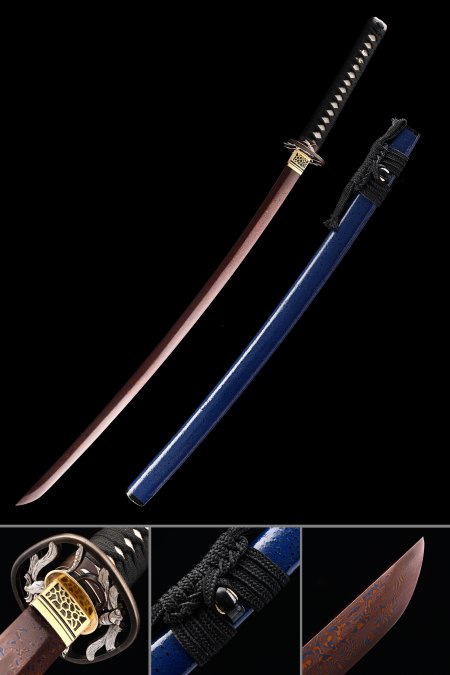
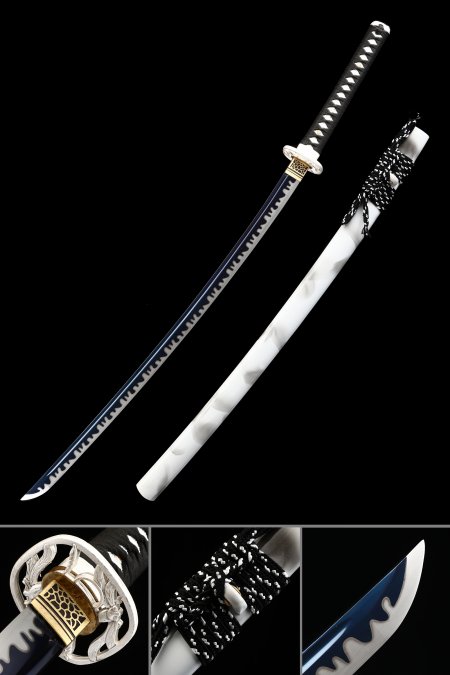
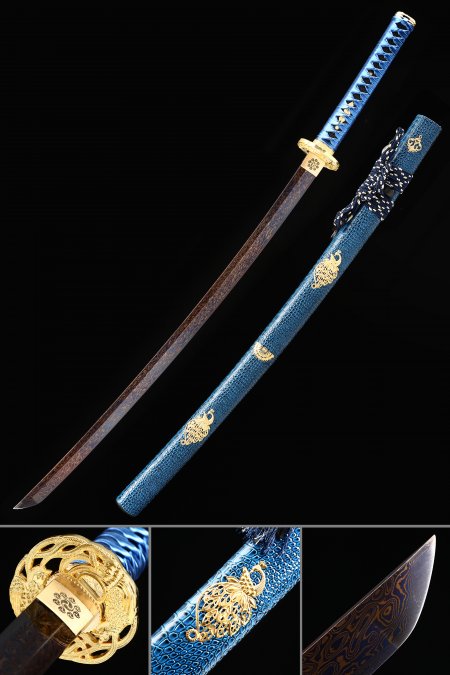
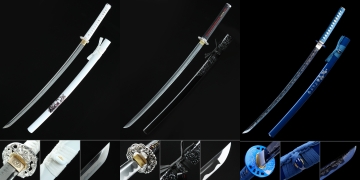
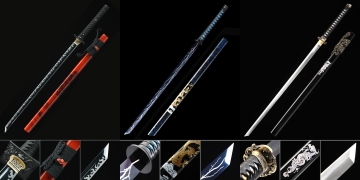
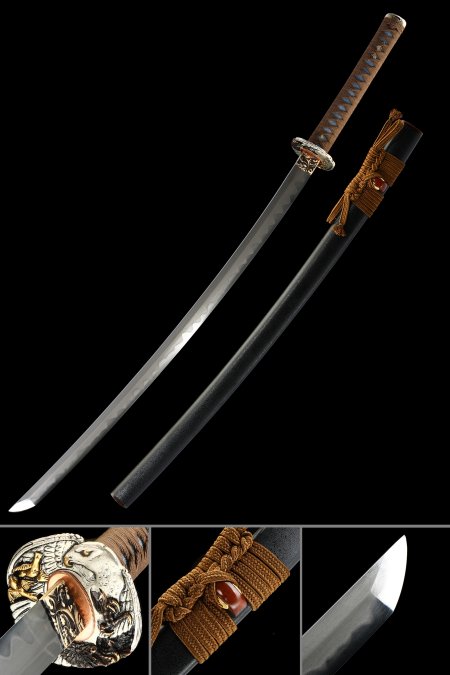
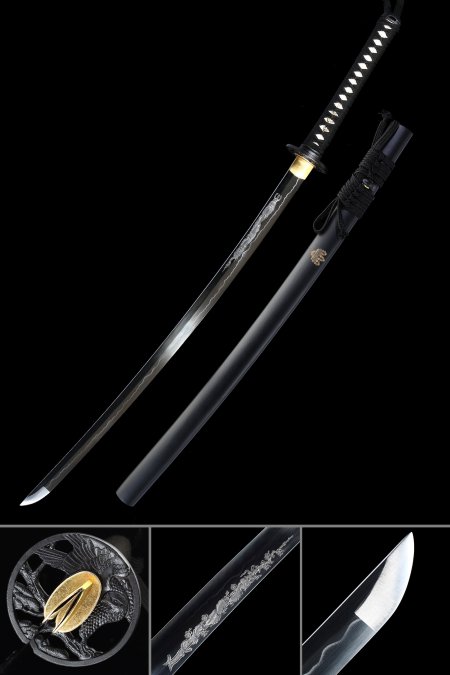
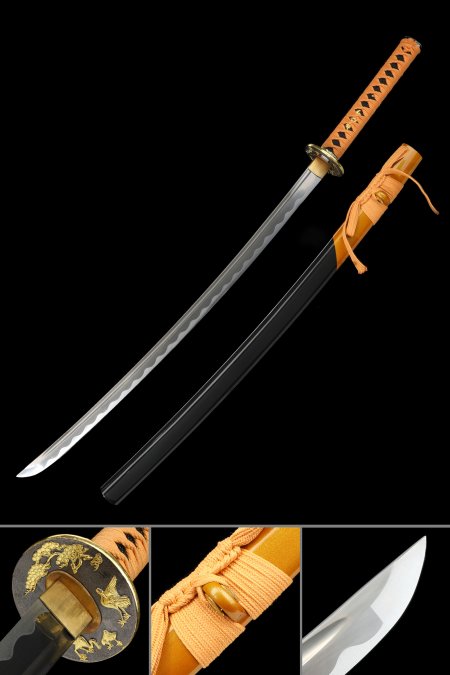
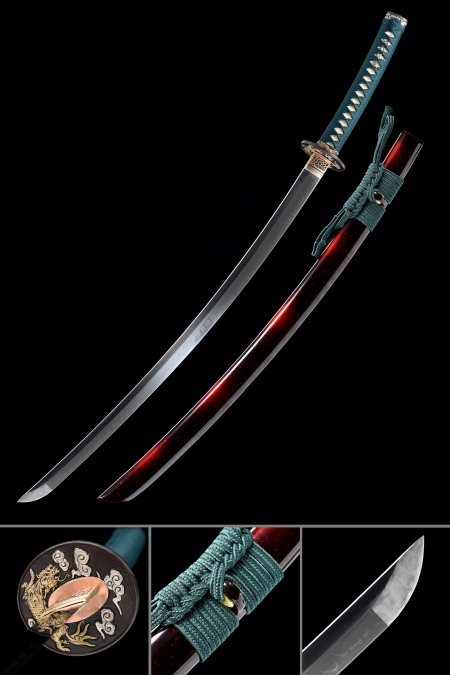
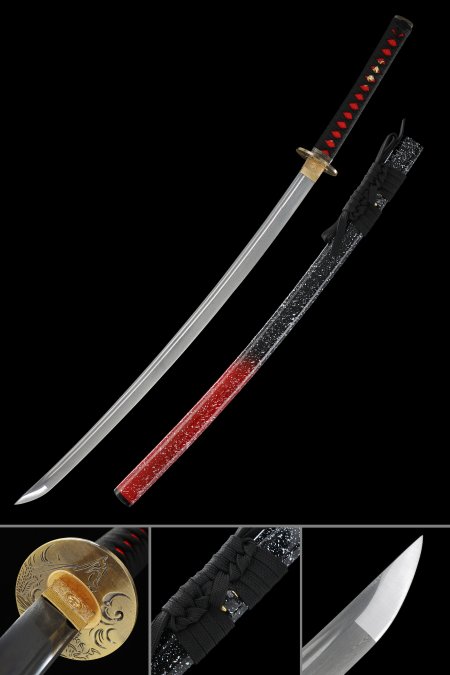
Each katana in this collection is defined by its phoenix tsuba - a hand-cast guard symbolizing rebirth and eternal grace, rendered in alloy, brass, or gilded finishes that complement every blade and saya pairing. From clay-tempered T10 steel with genuine hamon activity to layered Damascus with deep grain patterns, these pieces are crafted for serious collectors who value both visual impact and metallurgical integrity. Enjoy free shipping on your order, with hassle-free returns to ensure your collecting experience is as refined as the pieces themselves.
Showing 28 Products

Related Collections

Tanto Blade79 items


382 Reviews

Reverse Blade Sword128 items


1632 Reviews

Dragon Saya Ninjato32 items


83 Reviews

Plain Tsuba Ninjato47 items


503 Reviews

Frequently Asked Questions

What makes a phoenix tsuba different from standard katana guards?
A phoenix tsuba is a themed decorative guard cast or sculpted to depict the mythological phoenix - typically shown mid-flight with spread wings, detailed feather layering, and stylized flame accents. Unlike plain iron or brass sukashi tsuba with geometric cutouts, a phoenix design is executed in relief or full sculptural casting, often in zinc alloy, brass, or gilded alloy. The result is a guard with substantially more visual complexity and symbolic content. In Japanese and broader East Asian iconography, the phoenix (known as hō-ō) represents immortality, nobility, and the cyclical nature of renewal - attributes that have made it a favored motif in decorative metalwork for centuries. On a display katana, the tsuba serves as the visual anchor between handle and blade, making its design disproportionately important to the overall aesthetic of the assembled piece.
How does T10 steel differ from 1095 in these katana?
T10 and 1095 are both high-carbon steels, but they differ in composition and behavior during heat treatment. 1095 contains roughly 0.95% carbon and minimal alloying elements, making it straightforward to harden and a reliable choice for display pieces with consistent edge geometry. T10 contains a slightly higher carbon content alongside small additions of tungsten and silicon, which refine grain structure and improve wear characteristics. More significantly for collectors, T10 responds exceptionally well to clay tempering - a process where insulating clay is applied to the spine before quenching, creating differential hardness zones. This produces a visible hamon, the undulating temper line along the edge, which is one of the most studied and admired features in traditional Japanese blade aesthetics. A genuine T10 hamon shows nie and nioi activity under angled light, distinguishing it from acid-etched imitations found on lower-grade blades.
Can Damascus katana develop surface changes over time in display conditions?
Yes, and understanding why helps collectors manage their pieces properly. Damascus steel - formed by forge-welding alternating layers of high and low carbon steel - is acid-etched after polishing to reveal its layered grain pattern. The contrast between lighter and darker bands reflects the different carbon content reacting to the etchant. Over time, humidity, fingerprint oils, and airborne contaminants can cause surface oxidation that dulls or discolors this pattern unevenly. To preserve Damascus surface contrast, keep the blade in a climate-stable environment away from direct sunlight and humidity spikes. Apply a thin coat of choji oil or Renaissance Wax every two to three months, and avoid touching the flat of the blade with bare hands during handling. A properly maintained Damascus display piece will retain its visual depth for years without refinishing.
Is a full-tang construction important for a display katana?
For collectors, full-tang construction matters primarily as an indicator of build integrity rather than functional necessity. A full-tang blade extends the steel continuously from tip through the entire length of the tsuka (handle), secured by one or two mekugi (bamboo or brass retention pegs) passing through aligned holes in the tang and handle core. This construction ensures the blade and handle remain positively connected even under the weight stress of vertical or angled mounting. Rat-tail or partial-tang assemblies - where a thin steel rod is threaded or epoxied into the handle - are more prone to loosening over years of display, particularly in environments with temperature fluctuation. When evaluating a katana for long-term collection display, full-tang geometry is the most reliable structural feature to verify, and most pieces in this collection are built to that standard.
What display setup works best for a phoenix tsuba katana?
Horizontal wall mounts and tiered floor stands both present these katana effectively, but the mounting angle affects which design elements read most clearly to viewers. A horizontal mount at eye level - blade edge facing upward in traditional katana orientation - positions the tsuba at the visual midpoint of the piece, allowing the phoenix relief to be read clearly from the front. Angled display stands that tilt the piece 15 to 30 degrees forward bring the saya lacquer finish into stronger light, which is especially worthwhile for high-gloss blue piano or red marble finishes. For collectors displaying multiple pieces together, pairing a Phoenix Tsuba Katana with contrasting saya colors - say, black lacquer alongside white or red - creates visual rhythm without thematic conflict. Avoid placing pieces in direct sunlight, which degrades lacquer finish and ito wrapping over time.

Customer Reviews

Matthew Levengood Florida, United States

I ordered a mid range priced katana just to see the quality. I just wanted to personally write the review. This katana is beautiful the inlays and the detail exceeded my expectations. The blade is just as beautiful as the sheath. I probably called it the wrong. I will definitely order more from there. The best place to buy a katana hands down.
1060 Carbon Steel Katana with Dragon-Painted Black Saya and Phoenix Alloy Tsuba - Brown Ito Wrap 1060 Carbon Steel Katana with Dragon-Painted Black Saya and Phoenix Alloy Tsuba - Brown Ito Wrap
Cart 0 Items

Your cart is empty