Is Damascus steel purely decorative on a collectible nodachi?
Updated Feb 2026
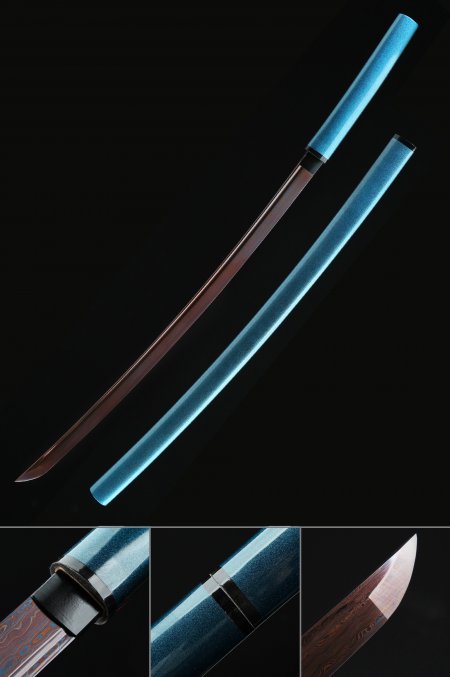
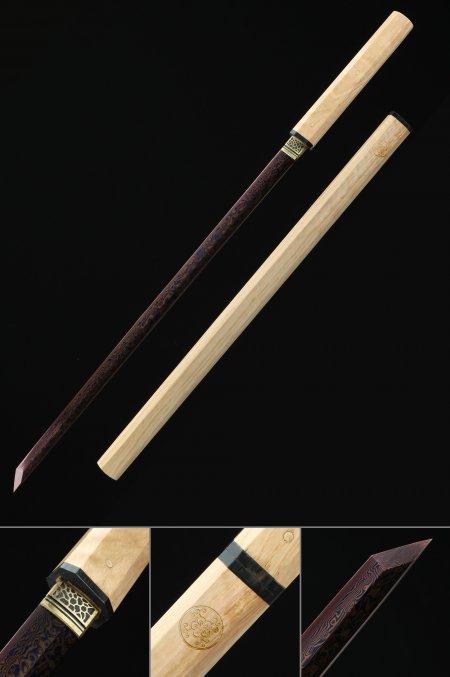
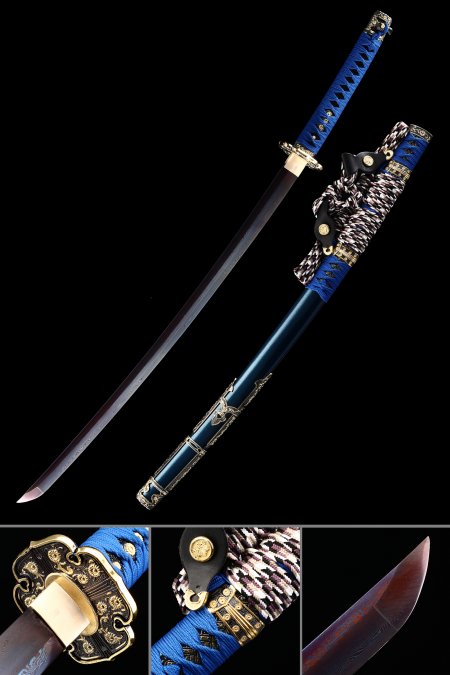
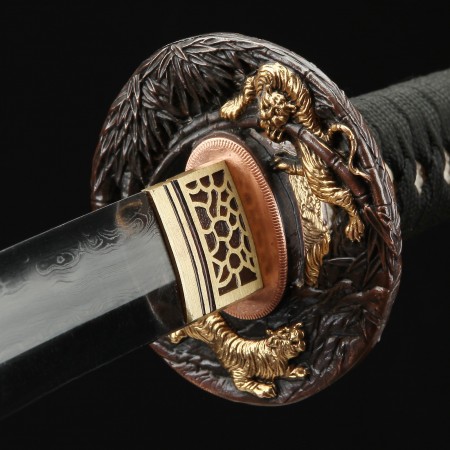
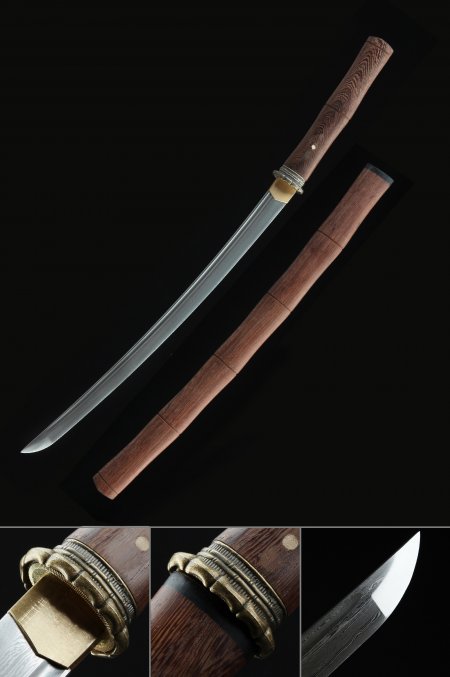
Not entirely. Damascus steel - formed by repeatedly folding and forge-welding layers of steel billets with differing carbon content - produces the flowing watered-grain pattern visible on the blade surface. That pattern is a genuine structural result of the forging process, not a surface treatment or etching applied afterward. The layering does distribute carbides more evenly through the steel matrix, which contributes to a fine-grained surface. However, for display collectibles, the visual impact is the primary value: no two Damascus blades share an identical pattern, making each piece genuinely unique. Collectors often position Damascus nodachi under directional lighting specifically to animate the grain as the viewing angle shifts. If historical accuracy to a specific Japanese period style is your priority, note that traditional Japanese tamahagane construction differs from modern pattern-welded Damascus - both are legitimate collectible choices, but they represent different craft traditions.